Best Time to Take Ashwagandha
Discover the best time for take ashwagandha. Complete guide with expert tips and data-driven insights.
The Best Time to Take Ashwagandha for Your Goals
The best time to take ashwagandha is not one-size-fits-all; it depends primarily on your specific health objectives—such as managing daytime stress or improving sleep—and your individual physiological response. For general stress support and energy, morning is often ideal. For sleep and relaxation, evening is typically recommended. A split dose can provide balanced, all-day benefits. Consistency in timing is more critical than the specific hour.
Understanding Ashwagandha: An Adaptogenic Herb
Ashwagandha (Withania somnifera) is a cornerstone herb in Ayurvedic medicine, classified as an adaptogen. Based on common understanding in herbal pharmacology, adaptogens are natural substances believed to help the body resist and adapt to various physical and mental stressors, promoting a state of balance or homeostasis. The primary active compounds, withanolides, are the focus of most modern research and standardized extracts.
What Does the Science Say About Ashwagandha Benefits?
Clinical research provides a foundation for ashwagandha's popular uses. A significant body of evidence, including randomized controlled trials, supports its role in stress and sleep management.
- For Stress & Anxiety: A notable randomized, double-blind, placebo-controlled study published in Medicine (Baltimore) found that participants taking 240 mg of ashwagandha root extract daily for eight weeks experienced significantly greater reductions in stress and anxiety scores compared to the placebo group.
- For Sleep Quality: Other research indicates that ashwagandha supplementation can improve sleep quality and reduce the time it takes to fall asleep in individuals with sleep concerns. Many of these studies administered the supplement twice daily.
It's important to note that these benefits are generally observed with consistent, daily use over several weeks, rather than immediate, acute effects.
Determining the Best Time to Take Ashwagandha
Your personal health goals should guide your timing strategy. The following framework, based on common usage patterns and pharmacological understanding, can help you decide.
For Daytime Stress Management, Focus, and Energy
Recommended Time: Morning. Taking ashwagandha in the morning aligns with the body's natural cortisol rhythm, which typically peaks upon waking. Some research suggests adaptogens may support a healthy cortisol response when taken at this time. From a practical standpoint, a morning dose can help promote a sense of calm focus and resilience to tackle daily stressors.
For Sleep Support and Evening Relaxation
Recommended Time: Evening, 1-2 Hours Before Bed. If your primary goal is to unwind and support restful sleep, an evening dose is often most effective. Ashwagandha's potential to promote relaxation can be beneficial as part of a wind-down routine. Taking it consistently in the evening signals your body to prepare for rest.
For Comprehensive All-Day Support
Recommended Time: Split Dose (Morning and Evening). Splitting your daily dosage—for example, taking half in the morning and half in the evening—is a strategy many find effective. This approach aims to provide sustained adaptogenic support throughout the day for stress resilience while also leveraging the relaxing properties to aid nighttime rest.
Quick Reference Guide:
| Your Primary Goal | Suggested Timing | Rationale |
|---|---|---|
| Daytime Stress & Focus | Morning | Aligns with cortisol rhythm; supports calm energy for the day ahead. |
| Sleep Quality & Relaxation | Evening, before bed | Leverages relaxing properties to aid the wind-down process. |
| Holistic Balance | Split Dose (AM & PM) | Provides consistent adaptogenic support for 24-hour needs. |
Essential Practical Considerations for Taking Ashwagandha
Should You Take Ashwagandha With Food?
Ashwagandha can be taken with or without food. Taking it with a meal may minimize the chance of minor digestive upset for some individuals. However, some practitioners suggest that taking it on an empty stomach may allow for slightly quicker absorption. The best approach is to choose a method that ensures consistency and comfort.
What Is the Standard Ashwagandha Dosage?
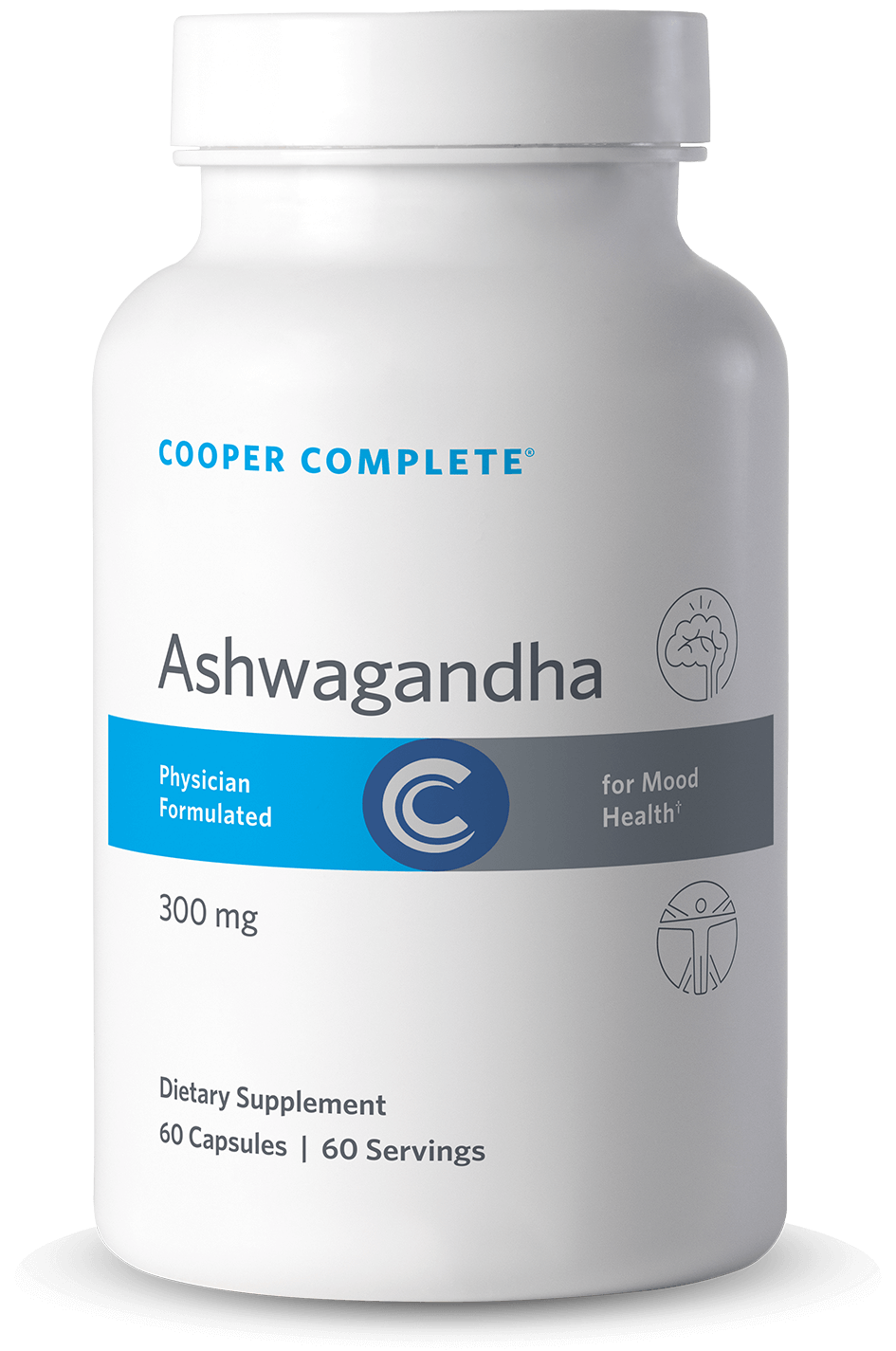
Typical daily dosages in clinical studies range from 300 mg to 600 mg of a standardized root extract (often standardized to 5% withanolides). The widely accepted best practice is to start with a lower dose (e.g., 300 mg daily) and assess your body's response for a few weeks before considering any increase.
Can You Take Ashwagandha Only When Stressed?
Ashwagandha is not typically used as an "as-needed" supplement like a fast-acting sleep aid. Its adaptogenic benefits are associated with cumulative, long-term use. For optimal results, industry guidance emphasizes consistent daily supplementation rather than sporadic use.
Safety, Side Effects, and Important Precautions
Ashwagandha is generally well-tolerated by most adults when used appropriately. However, being informed is crucial for safe use.
- Potential Side Effects: Some individuals may experience mild digestive discomfort, drowsiness, or headache. These effects are often dose-dependent.
- Drug Interactions: Ashwagandha may interact with medications for thyroid disorders, blood sugar, blood pressure, and sedatives. It may also have immune-modulating effects.
- Contraindications: It is not recommended for pregnant or breastfeeding women or individuals with autoimmune diseases unless under direct medical supervision.
- The Golden Rule: Always consult your physician or a qualified healthcare provider before starting any new supplement, especially if you have pre-existing health conditions or are taking medication.
Conclusion and Final Recommendations
Finding the best time to take ashwagandha is a personalized process. Begin by clarifying your goal—daytime stress support or nighttime sleep aid—and start with a low morning or evening dose accordingly. Pay close attention to how your body and mind respond over 2-4 weeks. Consistency in your daily routine is far more important than perfection in timing.
Key Takeaways:
- Timing is Goal-Dependent: Morning for stress/energy, evening for sleep, or split doses for full-day support.
- Consistency is Critical: Daily, regular use is necessary to experience the cumulative adaptogenic benefits.
- Start Low and Go Slow: Initiate supplementation with a standard low dose (300 mg) and monitor your response.
- Prioritize Safety: Consult a healthcare professional to ensure ashwagandha is appropriate and safe for your individual health profile.
When integrated thoughtfully into a holistic wellness plan that includes proper nutrition, exercise, and sleep hygiene, ashwagandha can be a valuable tool for supporting overall balance and well-being.
Related Articles
Best Time to Take Lexapro for Anxiety
Discover the best time for take lexapro for anxiety. Complete guide with expert tips and data-driven insights.
Best Time to Water Grass
Discover the best time for water grass. Complete guide with expert tips and data-driven insights.
When is the Best Time to Take Creatine
Discover the best time for take creatine. Complete guide with expert tips and data-driven insights.
Best Time to Take Metformin 500 Mg Once a Day
Discover the best time for take metformin 500 mg once a day. Complete guide with expert tips and data-driven insights.
Best Time to Take Vitamin D
Discover the best time for take vitamin d. Complete guide with expert tips and data-driven insights.
When is the Best Time to Take Magnesium
Discover the best time for take magnesium. Complete guide with expert tips and data-driven insights.