When is the Best Time to Take Creatine
Discover the best time for take creatine. Complete guide with expert tips and data-driven insights.
For the greatest benefits, take creatine close to your workout—either shortly before or after exercise—to enhance muscle uptake. However, consistent daily intake to maintain elevated muscle creatine stores is ultimately more critical than the precise timing of a single dose. The key is to integrate it reliably into your routine.
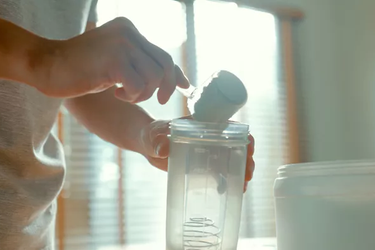
Understanding Creatine and Muscle Uptake
Creatine is a compound that helps regenerate adenosine triphosphate (ATP), the primary energy currency for high-intensity activities. For it to be effective, it must be transported from the bloodstream into muscle cells. This process is influenced by factors like blood flow and insulin activity. Based on common sports nutrition practice, timing strategies aim to capitalize on these physiological windows to improve absorption.
Taking Creatine Before Your Workout
Consuming creatine before exercise can be an effective strategy. Physical activity increases blood flow to working muscles, which may enhance the delivery and uptake of creatine during your session.
- The Science: After ingestion, blood creatine levels peak within 1-2 hours and remain elevated for several hours. Since exercise itself increases muscle blood flow, taking creatine 30-60 minutes before a workout can align this peak with your training window.
- Practical Application: For a typical 40-90 minute session, taking creatine beforehand ensures it is present in the bloodstream and available to muscles when they are most active and receptive.
Taking Creatine After Your Workout
Post-workout nutrition is focused on recovery and replenishment, making it another prime window for creatine supplementation.
- The Science: Exercise increases muscle cell sensitivity and the activity of creatine transporters. Some research indicates that post-workout creatine intake, particularly when combined with carbohydrates and/or protein, may lead to slightly greater improvements in strength and body composition over time, especially in trained individuals.
- Practical Application: Taking creatine within the "anabolic window" after your workout (roughly 30-60 minutes post-exercise) can effectively shuttle it into muscles as they begin the repair and growth process.
Creatine Timing: Before vs. After – Which Is Better?
The definitive answer, according to the bulk of scientific evidence, is that both timings are effective. A comprehensive review of the literature concludes that creatine consumption either before or after resistance training can effectively increase muscle mass and strength.
The consensus among experts is that consistency is far more important than precision timing. The primary goal is to achieve and maintain "muscle creatine saturation," which requires taking it daily. Whether you choose pre- or post-workout likely comes down to personal preference and what best fits your routine.
Essential Guidelines for Creatine Supplementation
Daily Consistency on Rest Days
To maintain saturated creatine levels, you must take it every day, including on non-training days. On rest days, the time of day is not important; simply take your maintenance dose with any meal or snack to support consistency.
Synergy with Food and Nutrients
While creatine is effective alone, combining it with certain nutrients can optimize uptake:
- Carbohydrates: Consuming creatine with carbs (e.g., fruit, juice, oatmeal) can cause an insulin spike, which may enhance muscle creatine storage.
- Protein and Carbs: Adding a source of protein (e.g., whey protein powder) to the creatine-and-carb combination is a common and convenient practice. While this may further aid uptake, its direct impact on performance beyond creatine alone may be incremental.
How to Dose Creatine Correctly
Standard dosing protocols, widely supported by sports nutrition authorities like the International Society of Sports Nutrition (ISSN), are as follows:
- Loading Phase (Optional): Take 0.3 grams per kilogram of body weight daily (or roughly 20 grams split into 4 servings) for 5-7 days to rapidly saturate muscles.
- Maintenance Phase: Take 3-5 grams daily thereafter. Larger athletes may require up to 10 grams daily during maintenance. This protocol is effective for both younger and older adults. You can forgo the loading phase and simply start with 3-5 grams daily; it will simply take longer (3-4 weeks) to reach full saturation.
Safety, Side Effects, and Who Should Be Cautious
Creatine monohydrate is one of the most extensively researched supplements and is considered safe for long-term use in recommended doses for healthy individuals.
- Common Side Effects: Some users may experience minor gastrointestinal upset or water retention, particularly during a loading phase. Staying well-hydrated can mitigate these issues.
- Important Considerations:
- Kidney Health: Individuals with pre-existing kidney disease or dysfunction should avoid creatine unless cleared by a physician. Those taking nephrotoxic medications (e.g., certain NSAIDs) should also exercise caution.
- Caffeine Interaction: High doses of caffeine combined with creatine may increase the risk of dehydration; moderate intake is advised.
- Understudied Populations: Most research has focused on male athletes. While likely safe, data on efficacy and optimal dosing for females, adolescents, and pregnant or postpartum women is limited. Consultation with a healthcare provider is strongly recommended for these groups.
Frequently Asked Questions
Q: Can I just take creatine on workout days? A: No. To maintain the elevated muscle creatine levels necessary for performance benefits, daily supplementation is required, including on rest days.
Q: Do I need to cycle creatine? A: No, cycling is not necessary. You can take it continuously. The body's natural creatine production does not shut down with supplementation.
Q: What is the best form of creatine? A: Creatine monohydrate is the gold standard. It has the strongest evidence for efficacy, safety, and cost-effectiveness. Other forms have not been proven superior.
Q: Should I take creatine if I'm not trying to build muscle? A: Potentially. Research suggests cognitive and potential neurological benefits, and it can support performance in any high-intensity activity. Evaluate your goals and consult a professional.
Final Recommendation: For optimal results, take 3-5 grams of creatine monohydrate daily. Time your dose around your workout for potential uptake benefits, but prioritize making it a consistent, daily habit above all else. As with any supplement, it is prudent to discuss its use with a healthcare provider, especially if you have underlying health conditions.
Related Articles

best time to take berberine for weight loss

best time of day to take naltrexone for weight loss

best time to take wegovy to avoid nausea

when is the best time to test for hormone imbalance

Best Time to Take a Pregnancy Test
Discover the best time for take a pregnancy test. Complete guide with expert tips and data-driven insights.