Best Time to Take a Pregnancy Test
Discover the best time for take a pregnancy test. Complete guide with expert tips and data-driven insights.
Determining the best time to take a pregnancy test is crucial for obtaining an accurate result and managing the emotional and practical aspects of a potential pregnancy. Whether you're actively trying to conceive or concerned about a possible unplanned pregnancy, timing your test correctly can mean the difference between a clear answer and a confusing false negative. This guide will walk you through the science behind pregnancy tests, the optimal testing window, and key factors to consider for the most reliable outcome.

Understanding How Pregnancy Tests Work
Before pinpointing the best time to test, it's essential to understand what pregnancy tests actually detect. Home pregnancy tests (HPTs) and blood tests administered at a clinic both measure the presence of human chorionic gonadotropin (hCG), a hormone produced by the placenta shortly after a fertilized egg implants in the uterine lining.
Key Points About hCG:
- Production Start: hCG production begins after implantation, which typically occurs 6 to 12 days after ovulation.
- Doubling Rate: In early pregnancy, hCG levels approximately double every 48 to 72 hours.
- Test Sensitivity: Home tests have varying sensitivities, measured in milli-international units per milliliter (mIU/mL). Some can detect hCG as low as 10 mIU/mL, while others require 25 mIU/mL or more.
The fundamental principle is simple: you must allow enough time after conception for your body to produce a detectable amount of hCG. Testing too early, before implantation has occurred or when hCG levels are still very low, is the most common reason for a false negative result.
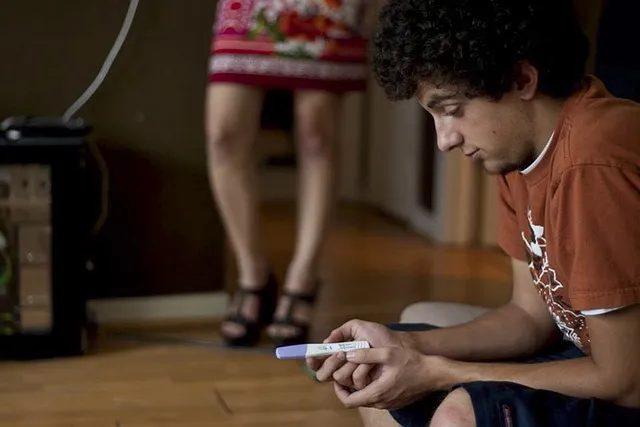
The Optimal Time to Take a Pregnancy Test
The single best time to take a home pregnancy test is after you have missed your period. For most women with a regular 28-day cycle, this means testing on the first day of your expected period or the day after.
Detailed Testing Timeline
-
Too Early (Before Your Missed Period):
- Risk: High chance of a false negative.
- Scenario: Some "early result" tests advertise they can detect pregnancy up to 6 days before your missed period. While this is technically possible for some, it's not reliable for everyone because implantation timing varies. If you test this early and get a negative, you should retest after your missed period.
-
Ideal Time (Day of Missed Period or Later):
- Accuracy: Home tests are about 99% accurate when used on the day of your missed period, as stated on most packaging.
- Reasoning: By this time, if you are pregnant, implantation has likely occurred, and hCG levels should be high enough for any over-the-counter test to detect.
-
Best Practice for Accuracy:
- Test with First Morning Urine: Your first urine of the day is the most concentrated and contains the highest level of hCG, making it the best sample for early testing.
- If Negative but Period is Still Absent: Wait 3-5 days and test again. Your period may be late, or hCG levels may have needed more time to rise to a detectable level.
What If My Cycles Are Irregular?
If you have irregular periods, determining when you've missed a period can be challenging. The best strategy is to count 36 days from the start of your last menstrual period and test then. Alternatively, if you track ovulation using kits or basal body temperature, test at least 14 days after ovulation.
Types of Tests and Their Impact on Timing
- Standard Home Pregnancy Tests: Follow the "missed period" guideline for highest accuracy.
- Early Detection Tests: These are more sensitive (can detect lower hCG levels). You may get an accurate result 4-5 days before your expected period, but a negative result this early is not definitive.
- Digital Tests: These display "Pregnant" or "Not Pregnant" and are easy to read, but they follow the same biological timing rules as line tests.
- Blood Tests (Quantitative hCG test): Performed at a doctor's office, these can detect pregnancy even earlier—about 6-8 days after ovulation. They measure the exact amount of hCG, which is helpful for tracking early progression.
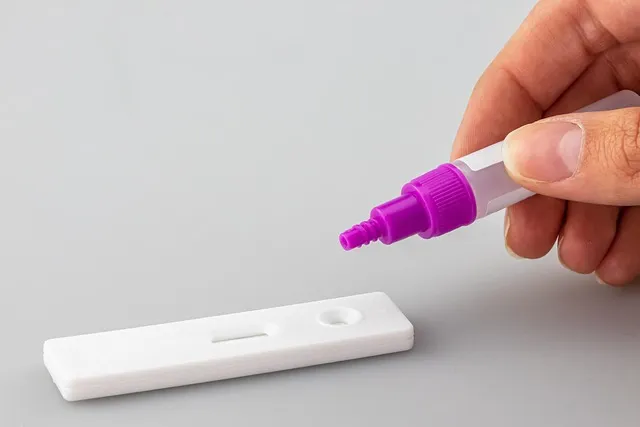
Factors That Can Affect Your Test Result
- Testing Too Early: The #1 cause of false negatives.
- Diluted Urine: Testing later in the day without holding urine can reduce hCG concentration.
- Not Following Instructions: Each test has specific instructions for time held in urine and reading results. Deviating can cause errors.
- Certain Medications: Fertility drugs containing hCG can cause false positives. Most other medications (like antibiotics or birth control) do not affect test results.
- Chemical Pregnancy: A very early miscarriage that occurs shortly after implantation can cause a positive test followed by a period. This reflects a real, but not progressing, pregnancy.
- Expired or Faulty Test: Always check the expiration date.
Frequently Asked Questions (FAQ)
Q: Can I take a pregnancy test at night? A: Yes, but it is less accurate for early testing. If you are testing before or around your missed period, your urine is more diluted in the evening, increasing the chance of a false negative. For the most reliable result, always use first-morning urine.
Q: How soon after unprotected sex can I test? A: You cannot test immediately. You must wait for implantation and hCG production. The earliest you could possibly get a positive is about 8-10 days after ovulation/conception, but waiting until after your missed period is more reliable.
Q: What does a faint line mean? A: A faint line, as long as it appears within the test's reading timeframe (usually 3-5 minutes), typically indicates a positive result. It usually means hCG is present but at a low level. Test again in 48 hours with first-morning urine; the line should become darker as hCG levels rise.
Q: I have pregnancy symptoms but a negative test. What now? A: Symptoms like fatigue, nausea, and breast tenderness can be caused by hormonal fluctuations before your period (PMS). If your test is negative after your missed period, your symptoms are likely not due to pregnancy. If your period does not arrive, retest in a few days or consult a healthcare provider.
Q: My test is positive. What's the next step? A: Schedule an appointment with your doctor or a clinic. They will confirm the pregnancy with a clinical test and begin essential prenatal care.
Conclusion
The best time to take a pregnancy test is straightforward: wait until the first day of your missed period and use your first-morning urine. This simple practice maximizes accuracy and minimizes the anxiety of uncertain results. While the urge to test early is understandable, patience is key to obtaining a clear and trustworthy answer. If your result is positive, contact a healthcare provider to begin your prenatal journey. If it's negative but your period is still absent, wait a few days and test again. By understanding the science of hCG and respecting the timing, you can navigate this important moment with greater confidence and clarity.
Related Articles

best time to take berberine for weight loss

best time of day to take naltrexone for weight loss

when is the best time to test for hormone imbalance

best time to take wegovy to avoid nausea

Best Time to Take Magnesium
Discover the best time for take magnesium. Complete guide with expert tips and data-driven insights.