when is the best time to test for hormone imbalance
Hormones are your body's chemical messengers, orchestrating everything from your mood and metabolism to your sleep cycles and reproductive health. When they fall out of balance, the effects can be wide-ranging and debilitating. If you suspect you have a hormone imbalance, one of the most critical questions is: when is the best time to test for hormone imbalance? The answer is not always straightforward, as it depends heavily on the specific hormones in question, your biological sex, age, and even the time of day. Getting the timing right is essential for obtaining accurate results that can lead to an effective diagnosis and treatment plan. This guide will walk you through the optimal timing for various hormone tests, helping you and your healthcare provider get the clearest picture of your hormonal health.

Understanding Hormone Testing and Its Importance
Before diving into timing, it's crucial to understand why timing matters. Most hormones follow natural rhythms—daily (circadian), monthly (menstrual), or even seasonal fluctuations. A test taken at the wrong point in these cycles can show levels that are misleadingly high or low, potentially leading to an incorrect diagnosis or missed imbalance.
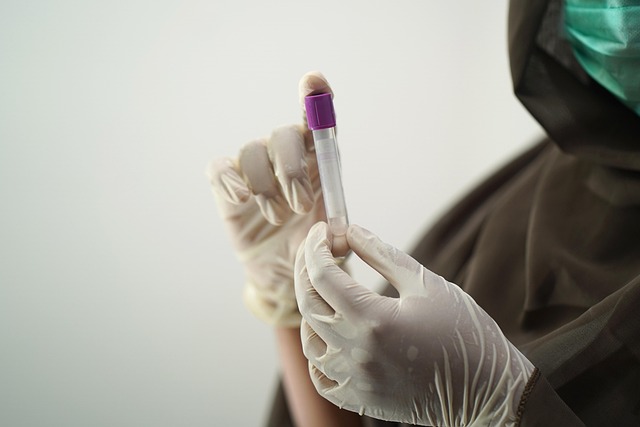
Hormone testing typically involves analyzing blood, saliva, or urine samples. The "best" time is generally when the hormone is at a predictable, baseline level or at a specific peak that provides the most diagnostic value. Working with an endocrinologist or a knowledgeable healthcare provider is key to determining the right test and the right time for you.
The Best Time to Test for Key Hormones
The optimal testing window varies significantly by hormone. Here’s a breakdown for some of the most commonly tested hormones.
1. Sex Hormones (Estrogen, Progesterone, Testosterone)
For these hormones, timing is especially dependent on sex and menstrual cycle status.
-
For Men: Testosterone levels follow a circadian rhythm, peaking in the early morning (around 7-10 AM) and declining throughout the day. The best time for a testosterone test is in the morning, ideally before 10 AM, to capture the peak level. This is standard practice for diagnosing low testosterone (Low T).
-
For Women with Regular Menstrual Cycles: Estrogen and progesterone fluctuate dramatically throughout the cycle.
- Follicular Phase (Day 3-5): This is often the best time to test estradiol (a form of estrogen) and Follicle-Stimulating Hormone (FSH) to assess ovarian reserve and baseline function.
- Mid-Cycle (Around Ovulation): Estrogen peaks just before ovulation. Testing here can help assess ovulation quality.
- Luteal Phase (Day 19-22 or 7 days post-ovulation): This is the ideal time to test progesterone to confirm that ovulation has occurred. Progesterone peaks during this phase.
-
For Postmenopausal Women or Women on Hormonal Birth Control: Since cycles are absent or suppressed, timing is less critical. Testing can often be done at any time, though morning tests are still generally preferred for consistency.

2. Thyroid Hormones (TSH, T3, T4)
Thyroid-stimulating hormone (TSH) is the primary screening test for thyroid disorders. While it has a diurnal rhythm (highest at night, lowest in the afternoon), the variation is often small enough that testing can be done at any time of day for a basic screening. However, for the most consistent and comparable results—especially when monitoring treatment—getting tested in the morning is recommended. It's also advisable to be consistent with the timing for follow-up tests (e.g., always in the morning before medication).
3. Cortisol (The Stress Hormone)
Cortisol has a very strong circadian rhythm: it should be highest in the morning (around 8 AM) to help you wake up and lowest around midnight. Testing at the wrong time can falsely suggest a problem.
- The best time for a single cortisol test is between 7 AM and 9 AM to check for the peak.
- Often, doctors order a four-point salivary cortisol test, where you provide samples at four key times (upon waking, noon, late afternoon, and before bed) to map your entire daily rhythm and identify imbalances like adrenal fatigue or Cushing's syndrome.
4. Insulin and Blood Sugar Hormones
Fasting is the key factor here. Tests for insulin, glucose, and HbA1c typically require fasting for 8-12 hours beforehand. The best time is usually first thing in the morning after an overnight fast. This provides a baseline measurement of how your body manages blood sugar without the immediate influence of food.
Practical Tips for Preparing for Your Hormone Test
Beyond timing, proper preparation ensures accuracy:
- Follow Pre-Test Instructions: This may include fasting (no food or drink except water), avoiding certain supplements, or refraining from strenuous exercise for 24 hours prior.
- Consider Your Lifestyle: Inform your doctor about significant stress, recent illness, or changes in sleep patterns, as these can affect results.
- Track Your Cycle: If you are a menstruating woman, note the first day of your last period. Using ovulation predictor kits or tracking basal body temperature can help pinpoint the luteal phase for progesterone testing.
- Time Your Medications: Discuss with your doctor whether to take your regular medications (including hormone replacements) before the test. For thyroid medication, it's often recommended to take it after the blood draw.
Frequently Asked Questions (FAQ)
Q: Can I test for hormone imbalance at home? A: Yes, many companies offer at-home collection kits (saliva, blood spot, or urine). While convenient, it's vital to ensure the lab is CLIA-certified. Discuss results with a healthcare provider for interpretation and a treatment plan. The timing guidelines above still apply to at-home tests.
Q: I'm irregular or don't have a period. When should I test? A: If your cycles are irregular, absent (amenorrhea), or you are perimenopausal, testing can be more challenging. Your doctor may recommend testing on a specific day (e.g., Day 3 if bleeding occurs) or repeating tests at different times. For postmenopausal women, any day is suitable.
Q: How long does it take to get hormone test results? A: Results from a standard blood draw at a lab typically take 1-3 business days. Specialized or at-home kit results may take 5-10 business days.
Q: Do I need to test more than once? A: Often, yes. Because hormones fluctuate, a single abnormal result may not be conclusive. Your doctor may recommend repeating a test at the same time in your next cycle or doing a series of tests to establish a pattern.
Q: Is there a "best age" to start testing for imbalances? A: Testing is symptom-driven, not age-driven. If you are experiencing persistent symptoms like unexplained fatigue, weight changes, mood swings, hair loss, or menstrual irregularities at any age, it's worth discussing testing with your doctor.
Conclusion
Determining the best time to test for a hormone imbalance is a precise science that hinges on the hormone in question and your individual physiology. As a general rule, morning tests are optimal for cortisol, testosterone, and thyroid panels, while specific days of the menstrual cycle are critical for accurate female sex hormone testing. The most important step you can take is to partner with a knowledgeable healthcare provider who can recommend the right tests based on your symptoms and guide you on the precise timing for sample collection. Accurate testing is the cornerstone of an effective treatment plan, paving the way toward restored balance, energy, and well-being.
Related Articles

best time to take berberine for weight loss
best time of day to take naltrexone for weight loss

best time to take wegovy to avoid nausea

Best Time to Take a Pregnancy Test
Discover the best time for take a pregnancy test. Complete guide with expert tips and data-driven insights.

best time of day to take zoloft for anxiety
Best Time to Take Probiotics
Discover the best time for take probiotics. Complete guide with expert tips and data-driven insights.