Best Time to Take Probiotics
Discover the best time for take probiotics. Complete guide with expert tips and data-driven insights.
For the best results, take your probiotic supplement consistently, ideally in the morning with a meal that contains fats, proteins, and carbohydrates. This timing and method help protect the live cultures as they travel through your stomach's acidic environment, increasing their chances of reaching and colonizing your colon. Ultimately, establishing a daily routine is more critical than the specific hour you take them.
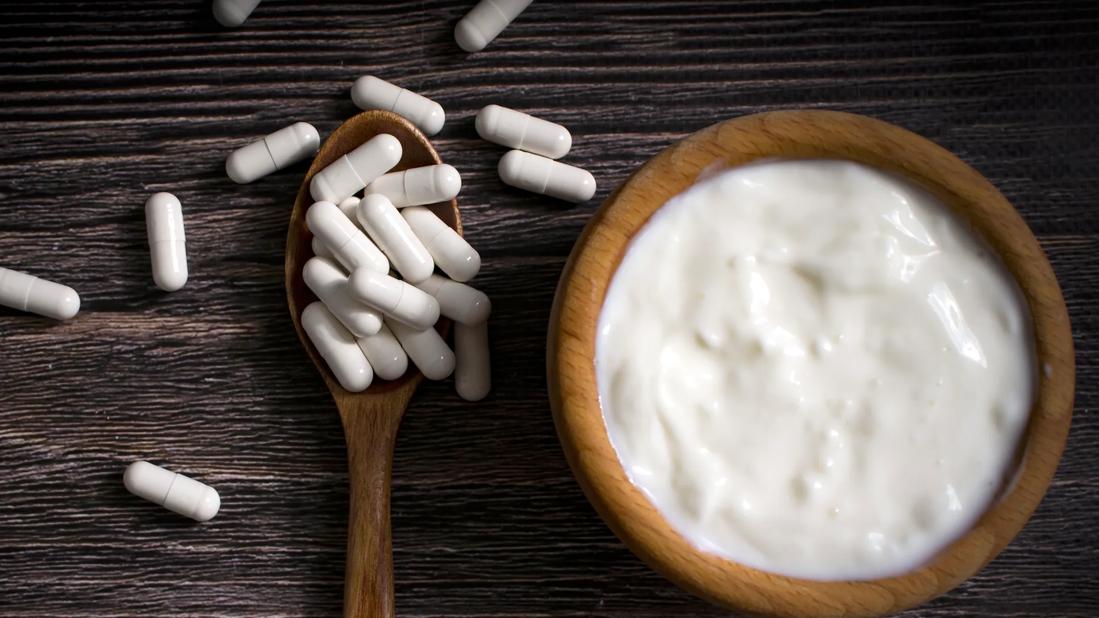
Choosing the right probiotic is only the first step. To truly support your gut microbiome, understanding how and when to take your supplement is essential. Based on common industry practices and microbiological principles, timing and dietary pairing can significantly influence a probiotic's effectiveness. This guide breaks down the key factors to help you integrate probiotics seamlessly into your daily routine for maximum benefit.
Should You Take Probiotics With Food or on an Empty Stomach?
The journey from your mouth to your colon is a hazardous one for probiotic bacteria. The primary challenge is your stomach's highly acidic environment, which is designed to break down food and pathogens. This acid can destroy many of the beneficial live cultures in a supplement before they reach their destination.
The consensus among experts is that taking probiotics with food is generally the more effective strategy. Food helps buffer stomach acid, creating a more survivable passage for the microbes. While you can take them on an empty stomach with water, this offers little to no protection against gastric acid, potentially reducing the number of viable organisms that make it to your gut.
The Ideal Foods to Pair With Your Probiotic
To maximize survival rates, pair your probiotic with a meal or snack that contains macronutrients. Industry guidance suggests that a combination of fats, proteins, and carbohydrates provides the best buffering effect.
- Excellent Choices: A meal that includes these macronutrients is ideal. For instance, taking your probiotic with breakfast foods like whole milk yogurt, oatmeal with nuts, or eggs with whole-grain toast can be highly effective. Yogurt has the added benefit of being a fermented food that may contain its own supportive cultures.
- Foods to Temporarily Avoid: It's advisable to avoid taking your probiotic alongside highly acidic foods and beverages, such as coffee, orange juice, or tomato-based products. These can increase stomach acidity, counteracting the protective effect of your meal. Simply wait until after you've finished your more acidic drink or have it with a different, more neutral meal.
Is Morning or Night the Best Time to Take Probiotics?
While consistency is the most important factor, there is a logical advantage to a morning routine. Your digestive system tends to be more active when you are awake and moving. Taking a probiotic with your morning meal can help leverage this natural motility to transport the cultures toward the colon.
However, if mornings are hectic or you simply remember better at night, taking your probiotic with dinner or another evening meal is perfectly acceptable. The key takeaway is to choose a time you can stick with daily. Setting a reminder or linking it to an existing habit, like brushing your teeth or having a specific meal, can help build that crucial consistency.
Key Practices for Probiotic Success
Beyond timing, several other best practices can influence your results.
1. Prioritize Consistent, Daily Use
Probiotics are not a quick fix; they work through sustained colonization. A portion of the microbes you ingest will pass through your system. Taking your supplement daily, or at least several times a week, provides a steady supply that increases the likelihood of beneficial strains establishing themselves in your gut microbiome. Think of it as a regular maintenance practice for gut health, not an occasional treatment.
2. Coordinate Carefully with Antibiotics
If you are prescribed antibiotics, which can disrupt both harmful and beneficial gut bacteria, taking a probiotic can help mitigate side effects like diarrhea. However, timing is crucial to prevent the antibiotic from killing the probiotic bacteria immediately.
- A common and effective practice is to take the probiotic 2-3 hours before or after your antibiotic dose. This spacing helps ensure the antibiotic has cleared the area, giving the probiotic a chance to pass through.
- Specific strains like Saccharomyces boulardii (a beneficial yeast) are often recommended during antibiotic courses because they are not affected by most antibacterial drugs.
- Continue taking the probiotic for at least 1-2 weeks after finishing your antibiotic course to support gut recovery.
3. Store Them According to Label Instructions
Always check the product label. Some probiotics require refrigeration to maintain the viability of their live cultures, while shelf-stable strains (often Bacillus or some microencapsulated varieties) do not. Proper storage is a non-negotiable part of ensuring you get a potent dose.
Frequently Asked Questions
Q: Can I take a probiotic if I have a sensitive stomach? A: Yes, but it's wise to start with a lower CFU (colony-forming unit) count and take it with a small meal. Monitor your body's response. If discomfort persists, consult a healthcare provider, as you may need to try a different strain.
Q: How long does it take to feel the effects of a probiotic? A: This varies widely based on the individual and the reason for taking it. Some people notice changes in digestion within a few days, while for overall gut health support, it may take several weeks of consistent use to observe benefits.
Q: Are there any people who should avoid probiotics? A: Individuals with severe immune system compromise or those who are critically ill should only use probiotics under direct medical supervision. Always discuss new supplements with your healthcare provider if you have underlying health conditions.
Final Recommendation: The optimal approach combines taking your probiotic with a balanced meal, choosing a consistent time of day you will remember, and committing to regular use. By following these research-informed practices, you can confidently support your journey toward better gut health.
Related Articles

best time to take berberine for weight loss
best time of day to take naltrexone for weight loss

best time to take wegovy to avoid nausea

when is the best time to test for hormone imbalance

Best Time to Take a Pregnancy Test
Discover the best time for take a pregnancy test. Complete guide with expert tips and data-driven insights.