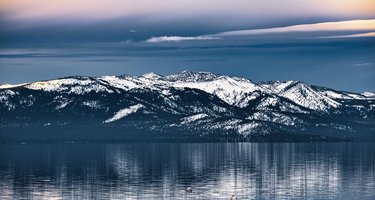
best time to visit nagaland
Best Time to Visit Nagaland: Your Complete Seasonal Travel Guide
Nestled in the remote northeastern corner of India, Nagaland is a land of breathtaking hills, vibrant indigenous cultures, and festivals that pulse with life. For the adventurous traveler from the United States seeking an authentic and off-the-beaten-path experience, timing your visit is everything. The "best" time to visit Nagaland isn't a single month; it's a balance between favorable weather, cultural immersion, and personal travel preferences. Whether you're drawn by the legendary Hornbill Festival, the lush monsoon greenery, or crisp winter trekking conditions, understanding Nagaland's distinct seasons is key to planning your unforgettable journey.
This comprehensive guide will break down Nagaland's climate, major events, and regional nuances to help you decide the optimal time for your adventure. From the bustling festival season to the serene, crowd-free months, we'll provide the practical insights you need to book your trip with confidence.
Understanding Nagaland's Climate and Seasons
Nagaland experiences a subtropical highland climate, heavily influenced by the monsoon and its varied altitude, which ranges from a few hundred feet to over 12,000 feet. The weather is generally pleasant compared to much of India, but it has four distinct seasons that dramatically shape the travel experience.
The Four Distinct Seasons
- Spring (March to April): The tail end of the dry season. Days are warm and sunny, while nights remain cool. This is an excellent window for clear skies and comfortable exploration before the rains arrive.
- Summer/Monsoon (May to September): Characterized by heavy rainfall, especially from June to August. Landscapes become intensely green and lush, but landslides can disrupt road travel. Humidity is high.
- Autumn (October to November): The monsoon recedes, leaving behind crystal-clear air, comfortable temperatures, and a refreshed, vibrant landscape. This is the start of the prime tourist season.
- Winter (December to February): Days are pleasantly cool and sunny, but nights and early mornings can be quite cold, especially in higher-altitude areas like Kohima. This is the driest and most popular season for tourism.
The Best Time to Visit Nagaland: A Season-by-Season Breakdown
Peak Season: October to February (The Festival & Cultural Window)
This is widely considered the absolute best time to visit Nagaland for most travelers.
- Weather: Post-monsoon clarity gives way to dry, sunny winter days. October and November are particularly pleasant. December and January are cold at night but offer brilliant blue skies.
- Why Visit: This period encapsulates Nagaland's most famous event—the Hornbill Festival (December 1-10). Dubbed the "Festival of Festivals," it's a spectacular showcase of Naga culture, with traditional dance, music, crafts, and food from all 16 major tribes. Beyond Hornbill, this dry season is perfect for trekking (like the Dzukou Valley trek), village homestays, and exploring without weather disruptions.
- Considerations: This is the busiest and most expensive time. Book flights (to Dimapur or Guwahati), festival accommodations, and tours well in advance—often 6-9 months ahead for Hornbill.
Shoulder Season: March to April (The Pleasant Explorer's Window)
An excellent alternative for those seeking good weather without the peak crowds.
- Weather: Warm, dry, and sunny. The pre-monsoon bloom is in effect, with rhododendrons and other flowers adding color to the hills.
- Why Visit: Ideal for cultural tours, hiking, and photography in near-perfect conditions. You can visit tribal villages like Khonoma (Asia's first green village) or Longwa on the Myanmar border with relative ease. Tourist numbers are lower, and prices are more moderate than in winter.
- Considerations: It can get quite warm by late April. This is your last chance for guaranteed dry trails before the monsoon sets in.
Off-Season: May to September (The Lush, Adventurous Window)
Recommended only for resilient travelers who don't mind rain and seek deep solitude.
- Weather: The monsoon brings heavy, persistent rainfall. Humidity is high, and cloud cover is common. Landslides can block mountain roads.
- Why Visit: For the intrepid traveler, Nagaland is at its most spectacularly green and serene. You'll have heritage sites and villages almost to yourself. It's a unique time for photography of misty landscapes and vibrant foliage, and for experiencing the rhythm of daily life uninterrupted by tourism.
- Considerations: Travel can be challenging and unpredictable. Trekking trails like Dzukou Valley can be slippery and dangerous. Always check road conditions and be prepared for itinerary changes. Pack high-quality rain gear.
Key Factors to Consider When Choosing Your Dates
1. The Hornbill Festival (Early December)
If experiencing this world-renowned cultural extravaganza is your top priority, plan your entire trip around the first 10 days of December. Your entire itinerary—flights, hotels, and festival passes—must be secured extremely early.
2. Other Tribal Festivals
Each Naga tribe celebrates its own agricultural festivals, often in spring. Examples include Moatsu Mong (Ao tribe in May) and Sekrenyi (Angami tribe in February). Attending one offers a more intimate, authentic cultural experience than the larger Hornbill Festival.
3. Trekking and Outdoor Activities
- Best Months: October, November, March, and April. The trails are dry, visibility is excellent, and temperatures are comfortable for strenuous activity.
- Dzukou Valley: Known for its rare lily and breathtaking vistas, it's best visited from June to September for the famous flowers, but be prepared for rain. October-November offers a different beauty with clear skies.
4. Regional Variations
- Lower Regions (Dimapur): Hotter and more humid year-round.
- Mid-Hills (Kohima, Mokokchung): Enjoy the most "pleasant" climate, especially in autumn and spring.
- Higher Areas: Can be very cold in winter; pack accordingly.
Practical Travel Tips for Any Season
- Permits: U.S. citizens require an Inner Line Permit (ILP) to enter Nagaland. These can be obtained online in advance or at offices in Delhi, Kolkata, Guwahati, or Dimapur. It's strongly advised to get it online beforehand.
- Packing: Pack layers regardless of season. Include a warm jacket for winter nights, sturdy walking shoes, rain protection (even in dry season), and respectful clothing for village visits (avoid very short shorts or sleeveless tops).
- Connectivity: Mobile and internet service can be unreliable, especially in rural areas. Inform family of your itinerary and embrace the digital detox.
- Health: No special vaccinations are mandatory, but consult your doctor about routine and recommended travel vaccines. Carry a basic first-aid kit and any personal medications.
Conclusion: When Will You Visit Nagaland?
Ultimately, the best time to visit Nagaland depends on what you want from your journey.
- Choose December for the unparalleled cultural spectacle of the Hornbill Festival.
- Choose October-November or March-April for the ideal blend of great weather, cultural access, and outdoor adventure.
- Choose the monsoon (June-September) only if you prioritize lush scenery and solitude over convenience and are comfortable with travel flexibility.
For the first-time visitor from the U.S. looking for the quintessential experience, targeting the October to February window—and especially aligning with the Hornbill Festival—will provide the richest and most logistically smooth introduction to this fascinating region. Whenever you decide to go, Nagaland's stunning landscapes and profound warmth of its people promise an adventure that stands apart from any other.
Related Articles

best time to visit mall of america

best time to visit maine for seafood
Best Time to Go to Ireland
Discover the best time for go to ireland. Complete guide with expert tips and data-driven insights.
best time to visit leu gardens

best time to visit las vegas 2026