when are the best times to water your lawn
A lush, green lawn is the pride of any homeowner, but achieving that vibrant carpet of grass requires more than just regular mowing. One of the most critical—and often misunderstood—aspects of lawn care is irrigation. Knowing when are the best times to water your lawn is not just about convenience; it’s a science that impacts water conservation, plant health, and your utility bill. Watering at the wrong time can promote disease, waste a precious resource, and leave your grass stressed. This comprehensive guide, drawing on current horticultural expertise and climate considerations for 2024/2025, will help you master the art and science of lawn hydration for a healthier, more resilient yard.
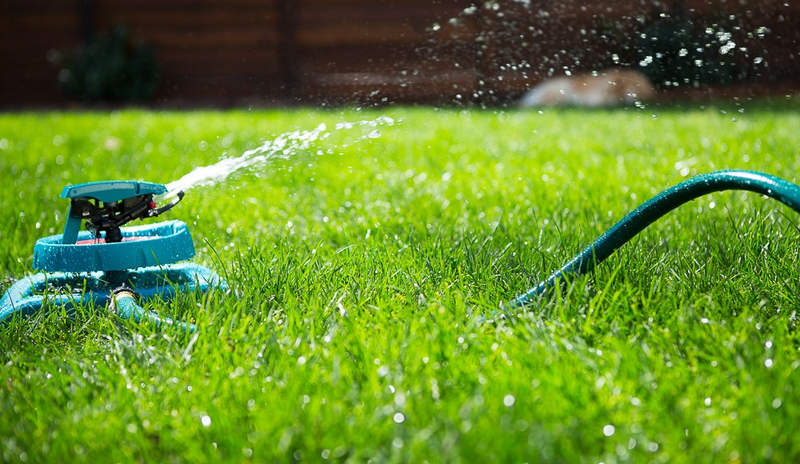
The Golden Rule: Why Timing is Everything
Watering your lawn effectively is about maximizing absorption and minimizing loss. The timing directly influences how much water reaches the roots where it’s needed, versus how much is evaporated by the sun or wind.
The undisputed best time to water your lawn is in the early morning, typically between 4:00 AM and 10:00 AM. Here’s why this window is so highly recommended by turfgrass specialists:
- Lower Temperatures & Calmer Winds: Evaporation rates are at their lowest, allowing water to soak deep into the soil rather than disappearing into the air.
- Optimal Absorption: Grass blades have time to dry before nightfall, which is crucial for preventing fungal diseases like mildew and brown patch.
- Synced with Plant Cycles: Grass begins its daily photosynthetic process in the morning, making it ready to utilize the water effectively.
- System Efficiency: For those with automatic irrigation systems, water pressure is often more stable in the early hours before peak household usage.
Watering in the late afternoon or early evening is a common alternative, but it carries a significant risk. If the grass blades remain wet for 10+ hours overnight, it creates a perfect, damp environment for disease pathogens to thrive.
How to Water: Deeply and Infrequently
Knowing when to water is only half the battle. The how is equally important. The goal is to encourage deep, strong root systems that make your lawn drought-tolerant.
1. The Core Principle: Deep and Infrequent Watering Instead of daily light sprinklings, water your lawn 1-2 times per week, applying enough water to moisten the soil to a depth of 6-8 inches. This encourages roots to grow downward in search of moisture. Shallow, frequent watering leads to weak, shallow roots that are vulnerable to heat and drought.
2. Measure Your Output Place empty tuna cans or rain gauges around your lawn and run your sprinklers. Time how long it takes to collect 1 to 1.5 inches of water—the ideal amount for most lawns per watering session. This simple test accounts for your sprinkler system’s output and your soil type.
3. Understand Your Soil
- Clay Soil: Absorbs water slowly but retains it well. Water should be applied at a slower rate to prevent runoff.
- Sandy Soil: Drains quickly and requires more frequent watering sessions to achieve the same depth, but still on an infrequent schedule.
- Loamy Soil: The ideal, offering a balance of drainage and retention.
Advanced Timing: Seasonal and Regional Adjustments
The "best time" in spring is not the same as in the peak of summer. Your watering schedule must be dynamic.
- Spring & Fall: Cooler temperatures and potentially more rainfall mean your lawn needs less supplemental water. Rely more on rainfall and water only when needed. Early morning remains the best time.
- Summer: This is peak watering season. Stick rigorously to early morning watering to combat high evaporation. You may need to water 1-2 times per week, or even 3 times in periods of extreme heat and drought, depending on local ordinances.
- Regional Considerations:
- Hot, Arid Climates (Southwest): Early morning watering is non-negotiable. Consider drought-resistant turf grasses.
- Humid Climates (Southeast): Disease pressure is higher. Morning watering to ensure grass dries is absolutely critical. Be vigilant for signs of fungus.
- Temperate Climates (Pacific Northwest, Midwest): You may rely heavily on natural rainfall for much of the year, supplementing only in dry summer spells.
Smart Technology Tip: Consider investing in a Wi-Fi enabled smart irrigation controller (2024 models are highly advanced). These devices can automatically adjust your watering schedule based on local weather forecasts, soil moisture sensors, and evapotranspiration data, ensuring you never water before or after a rainstorm.
Signs You're Watering Correctly (or Incorrectly)
Signs of a Well-Watered Lawn:
- Grass springs back after being walked on.
- A deep, healthy green color.
- Soil is moist 6-8 inches below the surface when probed with a screwdriver.
Signs of Under-Watering:
- Footprints or mower tracks remain visible on the grass.
- Bluish-gray tint to the blades.
- Wilting, folding, or curling grass blades.
- Dry, hard soil.
Signs of Over-Watering:
- Constantly soggy soil or runoff.
- Increase in weeds, particularly water-loving ones like nutsedge.
- Spongy feel underfoot.
- Yellowing grass or the presence of fungus/mushrooms.
FAQ: Your Lawn Watering Questions Answered
Q: Is it bad to water my lawn at night? A: Yes, generally. While evaporation is low, water sitting on grass blades all night significantly increases the risk of lawn disease. It should be avoided unless you have a subsurface drip system.
Q: How long should I run my sprinklers? A: There is no universal answer. Use the "tuna can test" described above to measure how long it takes your specific system to deliver 1-1.5 inches of water. This can range from 15 to 45 minutes per zone.
Q: Should I water every day during a heatwave? A: No. Deep, infrequent watering is still the rule. Watering daily encourages shallow roots, making the lawn more susceptible to heat stress. Water deeply 2-3 times per week during extreme heat, always in the early morning. Check for local water restrictions first.
Q: Is it okay to water in the middle of a hot day? A: It's the least effective time. As much as 50% of the water can be lost to evaporation before it even hits the soil. It can also scorch grass blades in intense sun. It's better to wait until the next morning, even if the grass looks stressed.
Q: Does the type of grass matter? A: Absolutely. Cool-season grasses (like Kentucky Bluegrass, Fescue) need more water in the heat of summer. Warm-season grasses (like Bermuda, Zoysia) are more drought-tolerant and may go dormant (brown) during drought, green-ing up again when water returns. Adjust your schedule accordingly.
Conclusion
Mastering when are the best times to water your lawn—primarily in the cool, calm early morning hours—is the cornerstone of intelligent lawn care. By pairing this optimal timing with the practice of deep, infrequent watering, you cultivate a turf that is not only aesthetically pleasing but also robust, disease-resistant, and efficient with our vital water resources. Remember to adapt your approach with the seasons, understand your local climate and soil, and leverage modern technology where possible. Your lawn is a living ecosystem; watering it wisely is a direct investment in its long-term health and beauty, saving you time, money, and water for years to come.
Related Articles

what is the best selling christmas song of all time

best selling christmas song of all time

when is the best time to aerate your lawn

best time to charge ev car at home illinois
when is the best time to plant grass seed