best time to see aurora borealis in iceland
Witnessing the aurora borealis, or northern lights, dancing across Iceland’s night sky is a bucket-list experience that combines natural wonder with raw, elemental beauty. For travelers from the United States and beyond, timing is everything when planning this celestial adventure. The best time to see the aurora borealis in Iceland is during the dark, clear nights of the winter season, specifically from late September through early April. This period offers the optimal balance of darkness, solar activity, and favorable weather windows needed for a successful sighting. However, understanding the nuances of Iceland’s seasons, solar cycles, and practical logistics can transform a hopeful trip into an unforgettable spectacle. This guide draws on expert insights and up-to-date information for the 2024/2025 seasons to help you plan your journey with confidence.
Understanding the Aurora Borealis in Iceland
The northern lights are a natural phenomenon caused by charged particles from the sun colliding with Earth’s atmosphere, creating shimmering curtains of green, pink, purple, and red light. Iceland’s location just below the Arctic Circle makes it one of the world’s premier destinations for aurora viewing, thanks to its high latitude and relatively accessible terrain. However, seeing them requires specific conditions: darkness, clear skies, and sufficient solar activity.
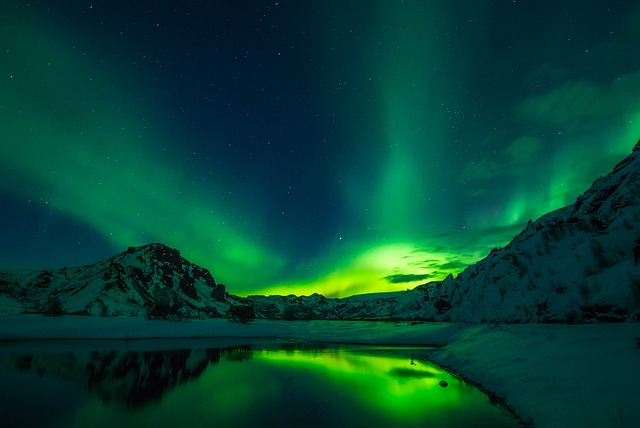
Key factors influencing visibility include:
- Solar Activity: The sun follows an 11-year cycle of activity, with periods of solar maximum (high activity) and minimum. The 2024/2025 seasons fall within a period of rising solar activity, increasing the frequency and intensity of auroral displays.
- Geomagnetic Storms: Strong solar winds can trigger geomagnetic storms, which significantly enhance the aurora’s brightness and can push the "auroral oval" further south, making sightings more likely even on nights with moderate forecasts.
- Local Weather: Iceland’s weather is famously changeable. Clear, cloudless skies are an absolute necessity, which is why flexibility in your schedule is crucial.
The Optimal Season: Late September to Early April
While the aurora is technically present year-round, it is only visible during the long, dark nights of the Icelandic winter. The core season spans from the autumnal equinox in late September to the spring equinox in early April.
- September & October: These months offer a fantastic start to the season. The weather is often milder than deep winter, with a good balance of darkness and accessible roads. The added bonus of autumn colors in the landscape makes for stunning photographic compositions.
- November to February: This is the peak of darkness, with up to 20 hours of night around the winter solstice (December 21st). This provides the longest possible viewing window each night. However, this is also the period with the most volatile weather, including snowstorms that can obscure skies.
- March & Early April: As spring approaches, the days grow longer, but nights remain sufficiently dark, especially in early March. Weather patterns can stabilize, offering clearer skies. This is an excellent time for those who also wish to enjoy winter activities like ice caving or who prefer slightly more daylight for daytime exploration.
The Best Time of Night for Viewing
Within the season, the time of night is critical. Contrary to popular belief, the aurora does not typically appear at a set hour.
- Prime Viewing Window: The most active period is generally between 9:00 PM and 2:00 AM, with the highest probability often around midnight.
- Monitoring Forecasts: Use reliable resources like the Icelandic Meteorological Office’s (Veður) aurora forecast (which provides a 0-9 scale for auroral activity and cloud cover) and the Space Weather Prediction Center’s KP index (a measure of geomagnetic activity). A KP index of 3 or higher is typically needed for a good show in Iceland.
- Patience is Key: Plan to spend several hours at your viewing location. The lights can appear for just a few minutes or dance for hours.
Top Locations in Iceland for Aurora Hunting
Choosing the right location away from light pollution dramatically increases your chances.
- Þingvellir (Thingvellir) National Park: A UNESCO site with dramatic landscapes, offering dark, open skies within easy reach of Reykjavik.
- The South Coast: Areas near Vik í Mýrdal, with landmarks like the Reynisfjara black sand beach or Jökulsárlón glacier lagoon, provide a breathtaking foreground.
- The Snæfellsnes Peninsula: Often called "Iceland in Miniature," its diverse landscapes and coastal vistas make for perfect aurora backdrops.
- Remote Areas in the North: Locations around Lake Mývatn or the town of Akureyri benefit from clearer weather patterns and are situated directly under the auroral oval.
- The Westfjords: Extremely remote and sparsely populated, this region offers some of the darkest skies in the country.
Practical Tips for a Successful Aurora Trip
- Book a Multi-Night Stay: Statistically, the more nights you have, the higher your chance of success. A minimum of 3-4 nights is strongly recommended.
- Consider a Guided Tour: Expert guides know the best spots, monitor forecasts in real-time, and can navigate safely in winter conditions. They also provide fascinating scientific and folkloric context.
- Dress Appropriately: Icelandic winter is no joke. Wear thermal layers, a windproof and waterproof outer shell, insulated gloves, a warm hat, and sturdy, insulated boots.
- Camera Gear: To photograph the aurora, you will need a DSLR or mirrorless camera with manual settings, a fast wide-angle lens (f/2.8 or wider), and a sturdy tripod. Practice your long-exposure settings before you go.
- Have a Backup Plan: If the skies are cloudy, enjoy Iceland’s other winter wonders: geothermal pools, ice caves, or cozying up in a countryside cabin.
Frequently Asked Questions (FAQ)
Q: Can I see the northern lights in Reykjavik? A: Yes, during strong displays, but light pollution significantly reduces visibility and intensity. For the best experience, travel outside the city limits.
Q: Is there a "guaranteed" time to see them? A: No. The aurora is a natural phenomenon, and sightings can never be guaranteed. Careful planning around the optimal season, forecast monitoring, and patience are the keys to success.
Q: What is the best month within the season? A: Each month has pros and cons. September/October and March offer a good mix of darkness and relatively stable weather. The deep winter months (Dec-Feb) offer the most darkness but also the most challenging weather.
Q: Do I need to rent a 4x4 vehicle for an aurora trip in winter? A: For safety and flexibility, especially if planning to venture into the countryside or if traveling during periods of snow and ice, a 4x4 vehicle is highly recommended. Always check road conditions at road.is.
Q: How far in advance should I book my trip? A: For travel during the peak aurora season (especially around holidays), aim to book flights, accommodations, and popular tours at least 4-6 months in advance.
Conclusion
Planning the perfect trip to see the aurora borealis in Iceland is an exercise in embracing both science and adventure. By targeting the core season from late September to early April, prioritizing clear, dark nights, and positioning yourself away from light pollution, you maximize your odds of witnessing one of nature’s most magnificent displays. Remember to arm yourself with reliable forecasts, pack for extreme cold, and maintain a flexible, patient itinerary. Whether the lights reveal themselves in a subtle green glow or a dramatic, colorful dance, the experience of searching for them under Iceland’s vast, starry sky is an unforgettable journey in itself. For the 2024/2025 seasons, with solar activity on the rise, the prospects for spectacular auroral displays are brighter than ever.
Related Articles

best time to post instagram on wednesday
best time to post on instagram on sunday

best time to post on instagram on tuesday

best time to post on instagram on wednesday

best time to post on instagram wednesday