best time to visit death valley national park
Death Valley National Park, a land of extremes and stark beauty, presents a unique challenge for travelers: timing your visit is everything. The best time to visit Death Valley National Park is undoubtedly from late October to early April. During these months, the park transitions from a furnace to a surprisingly pleasant, explorable landscape, with daytime highs ranging from the comfortable 60s°F to the low 80s°F (15°C to 28°C). This guide will break down the seasons, highlight key events, and provide essential tips to ensure your adventure into this magnificent desert is safe, enjoyable, and unforgettable.
Understanding Death Valley's Extreme Seasons
Choosing when to go isn't just about comfort—it's a critical safety consideration. Death Valley holds the record for the highest air temperature ever recorded on Earth (134°F / 56.7°C), and summer conditions are no joke. Here’s a detailed seasonal breakdown to help you plan.
1. Peak Season: Fall, Winter, and Spring (Late October - April)
This is the ideal and most popular window for visitation. The weather is perfect for hiking, sightseeing, and camping.
- Weather: Daytime temperatures are mild to warm. Nights can be chilly, especially from December to February, often dropping below freezing at higher elevations. Rainfall is rare but possible.
- Pros:
- Safe and comfortable conditions for all activities.
- Clear, sunny days are the norm.
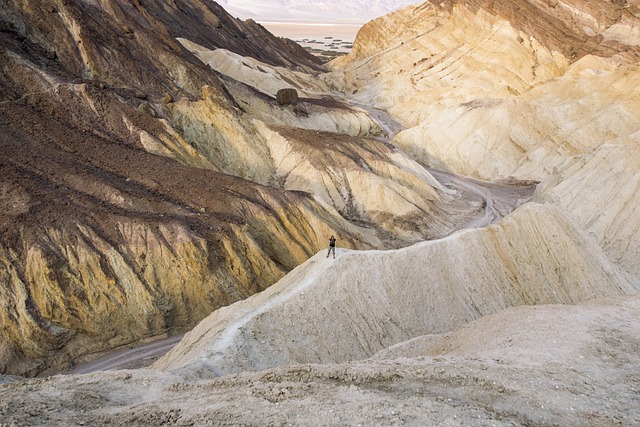
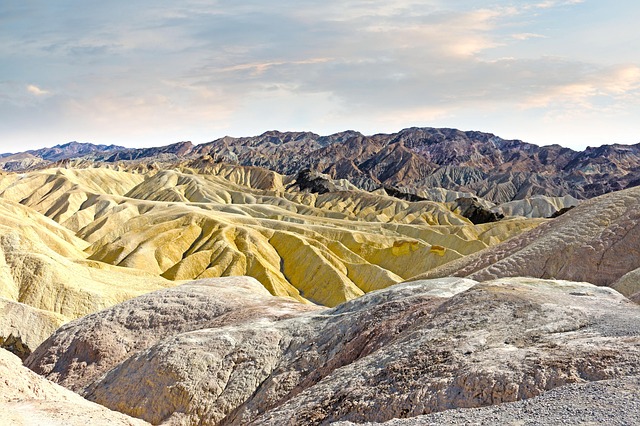
- Ideal for iconic hikes like Golden Canyon, Mosaic Canyon, and even venturing down to Badwater Basin.
- Campgrounds are open and in high demand.
- Cons:
- This is the park's busiest period, especially around holidays (Thanksgiving, Christmas, Spring Break).
- You'll need to book lodging in Furnace Creek or campsites well in advance.
- Higher accommodation rates.
2. Shoulder Seasons: Late Spring & Early Fall (April-May & September-October)
These transitional periods can be pleasant or surprisingly hot, requiring careful planning.
- Late Spring (April-May): Temperatures begin their sharp climb. May can already see highs surpassing 100°F (38°C). Wildflowers, if the winter was wet, may bloom in the higher elevations like Dante's View.
- Early Fall (September-October): The intense summer heat starts to wane, but early September is often still extremely hot. By late October, conditions usually improve dramatically.
- Tip: If visiting during these times, plan all major outdoor activities for early morning and carry an immense amount of water.
3. Off-Season: Summer (June - Early September)
Summer in Death Valley is an extreme environment suitable only for the most prepared and cautious visitors. Park services often issue extreme heat warnings.
- Weather: Consistently extreme. Daytime highs regularly exceed 115°F (46°C), with overnight lows sometimes staying above 90°F (32°C).
- Pros:
- Minimal crowds. You'll have iconic spots largely to yourself.
- A unique, awe-inspiring experience of the planet's most intense heat.
- Stargazing is phenomenal due to clear, dry air (but it's still hot at night!).
- Cons & Serious Risks:
- Extreme Heat Danger: Heat illness is a real and immediate threat. Hiking is strongly discouraged and can be deadly.
- Limited activity: Sightseeing is restricted to short walks from an air-conditioned vehicle.
- Many services, including some campgrounds, may be closed.
- Your vehicle is your lifeline. A breakdown can become a life-threatening emergency.
Monthly Highlights and Special Events
- February: Possibly the most reliably pleasant month. A great time for extensive exploration.
- March/April: Peak wildflower season in superbloom years. These rare, spectacular events occur after perfect conditions of winter rain and are not annual. Follow the park's official website and social media for updates.
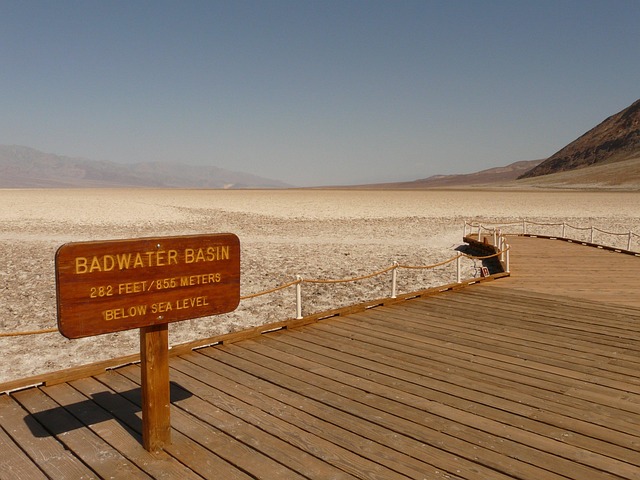
- November - February: The best time for comfortable, low-elevation hiking and visiting Badwater Basin (-282 feet / -86 m).
- December/January: Experience a "cold" desert with potential frost. Perfect for hiking the canyons. The Furnace Creek area celebrates the holidays with festive decorations.
Essential Planning Tips for Your Visit
No matter when you go, preparation is key in this remote and rugged park.
- Hydration is Non-Negotiable: Drink water consistently, not just when thirsty. Carry at least one gallon (4 liters) of water per person, per day in your vehicle.
- Protect Your Vehicle: Ensure your car is in excellent condition—check coolant, tires, and battery. Never let your fuel tank drop below half. Summer heat is brutal on engines.
- Dress Smart: Wear a wide-brimmed hat, sunglasses, and light, loose-fitting, light-colored clothing. Apply high-SPF sunscreen liberally and often.
- Cell Service is Unreliable: Download offline maps (Google Maps, GAIA GPS) and inform someone of your itinerary. A paper map is a wise backup.
- Check Official Resources: Always consult the National Park Service website for Death Valley for the latest alerts on road conditions, weather, closures, and safety warnings before and during your trip.
Frequently Asked Questions (FAQ)
Q: Can I visit Death Valley in the summer? A: Yes, but with extreme caution. Your visit will be confined to viewpoints accessible by car. Do not attempt hikes. Your main activity will be experiencing the profound heat from the safety of your air-conditioned vehicle or the Furnace Creek Visitor Center.
Q: When is the Death Valley superbloom? A: A true, valley-wide superbloom is a rare event, typically occurring in early spring (late February to April) following a season of well-spaced, significant rainfall. The park's website is the best source for wildflower updates.
Q: What should I pack for a winter visit? A: Pack in layers! Days can be sunny and mild (t-shirt weather), but temperatures drop sharply at night and at higher elevations (like Dante's View). Bring a warm jacket, hat, and gloves for mornings and evenings.
Q: Are reservations needed for Death Valley? A: While no park entry reservation system is currently in place for 2024/2025, reservations are absolutely essential for lodging at the historic Inn at Death Valley or the Ranch at Death Valley, and for campgrounds within the park during the peak season (Fall-Spring). Book many months in advance.
Q: Is one day enough for Death Valley? A: You can see major highlights like Badwater Basin, Artist's Palette, and Dante's View in a full day. However, to truly appreciate the park's vast scale and explore its many canyons and historic sites, a 2-3 day visit is highly recommended.
Conclusion
Determining the best time to visit Death Valley National Park ultimately depends on your tolerance for heat and your desired activities. For the classic experience with full access to hiking, camping, and comfortable exploration, target the cooler months from November through March. If you seek solitude and wish to witness the desert's most fierce persona, a carefully planned summer visit can be memorable. Regardless of the season, respect the park's extreme environment by preparing meticulously. With the right timing and planning, Death Valley offers an unparalleled adventure into one of the most awe-inspiring and geologically fascinating landscapes on Earth.
Related Articles

best time to post instagram on wednesday
best time to post on instagram on sunday

best time to post on instagram on tuesday

best time to post on instagram on wednesday

best time to post on instagram wednesday