best time to visit iceland to see northern lights
Chasing the elusive Northern Lights, or Aurora Borealis, is a top reason travelers brave Iceland’s winter beauty. Witnessing this celestial dance of green, purple, and pink ribbons across the Arctic sky is a truly transformative experience. But timing is everything. The best time to visit Iceland to see the Northern Lights is from late September through late March. During these months, the long, dark nights provide the essential canvas for the aurora, while solar activity is typically at its most promising. This guide will break down the optimal months, conditions, and insider tips to maximize your chances of a successful hunt in 2024/2025.
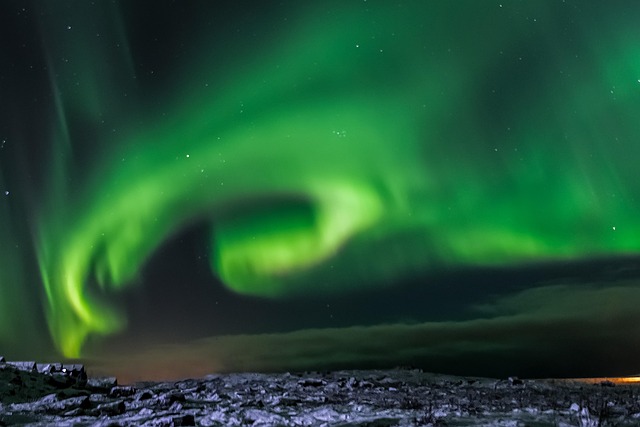
The Prime Northern Lights Season: September to March
The Northern Lights are a year-round phenomenon, but they require darkness to be visible to the human eye. Iceland’s extreme seasonal daylight variations define the viewing window.
- September & October: These shoulder months offer an excellent balance. Nights are becoming sufficiently dark (6-10 hours of darkness), and the weather is often less severe than in deep winter. You’ll also enjoy the added bonus of autumn colors, accessible highlands, and fewer crowds.
- November to February: This is the core of the season. With up to 19-20 hours of darkness around the winter solstice (December 21st), your potential viewing window is maximized. However, this period also brings Iceland’s most challenging weather—frequent storms, snow, and cloud cover, which can obstruct the view. Patience and flexibility are key.
- March: Another fantastic shoulder month. The darkness is still ample (about 12-14 hours early in the month), and the weather begins to stabilize. It’s a popular choice as it combines aurora hunting with the return of longer days for other activities.
Why Summer is Not Ideal
From mid-April to mid-August, Iceland experiences the "Midnight Sun." The near-constant daylight, especially around the summer solstice, makes it impossible to see the aurora, despite it still occurring.
Key Factors Beyond the Calendar: The Recipe for a Sighting
Picking the right month is just step one. A successful sighting depends on a confluence of three critical factors:
- High Solar Activity: The Northern Lights are caused by solar particles colliding with Earth’s atmosphere. Activity is measured by the KP Index, ranging from 0 (quiet) to 9 (intense storm). In Iceland (located around KP 3-4), a KP index of 3 or higher often produces strong, visible displays. You can track forecasts on websites like the Icelandic Met Office or apps like Aurora Forecast.
- Dark, Clear Skies: Absolute darkness is non-negotiable. You must get away from the light pollution of cities like Reykjavík. More crucially, you need a break in the clouds. Constantly monitor cloud cover forecasts on vedur.is.
- Patience & Luck: Even with perfect forecasts, the aurora is a natural event. Be prepared to stay out late (often between 10 PM and 2 AM), dress warmly, and wait. Tours often run for 3-4 hours for this reason.
Practical Tips for Your 2024/2025 Aurora Adventure
To transform hope into reality, follow these expert tips:
- Book a Dedicated Tour: Especially for first-timers, guided tours are invaluable. Expert guides know the best locations, monitor forecasts in real-time, and can navigate safely in winter conditions. They increase your odds significantly.
- Stay Multiple Nights: Statistically, the more nights you dedicate, the higher your chance. A minimum of 3-4 nights is highly recommended.
- Rent a Vehicle (Cautiously): If you are an experienced winter driver, a 4x4 vehicle offers freedom to chase clear skies. Always check road conditions at road.is and never drive in storms or off designated roads.
- Dress for Success: The cold is your biggest adversary while waiting. Wear thermal layers, a windproof and waterproof outer shell, insulated gloves, a warm hat, and sturdy, insulated boots. Hand and foot warmers are a great addition.
- Camera Settings: To capture the lights, you’ll need a DSLR or mirrorless camera with manual settings, a tripod, and a wide-angle lens. Start with settings like: ISO 1600-3200, aperture f/2.8, and a shutter speed of 5-15 seconds.
Where to Go in Iceland for Optimal Viewing
While sightings are possible anywhere in the country on a clear night, these regions are renowned:
- The Golden Circle (Þingvellir National Park): A popular and accessible area from Reykjavík with vast open skies.
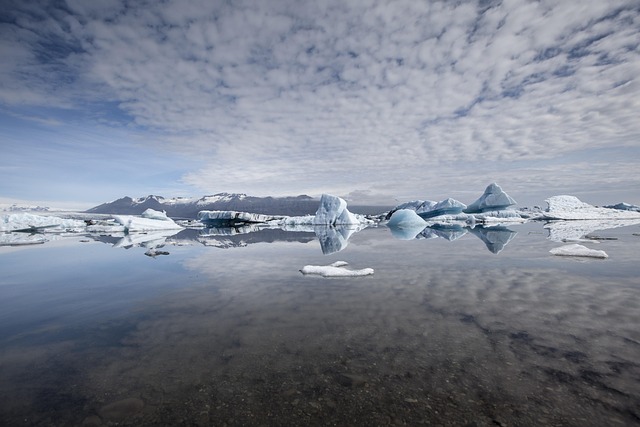
- The South Coast (near Vik or Jökulsárlón): Offers stunning backdrops like black sand beaches and glacier lagoons.
- The Snæfellsnes Peninsula: Often called "Iceland in Miniature," with dramatic landscapes and low light pollution.
- The Westfjords & North Iceland (Lake Mývatn): Remote and sparsely populated, offering some of the darkest skies in the country.
Frequently Asked Questions (FAQ)
Q: Can you see the Northern Lights in Reykjavík? A: Yes, during strong displays (high KP index), but light pollution significantly dims the view. For the best experience, travel just 15-30 minutes outside the city to a darker area.
Q: What is the best month within the season? A: Late September, October, and March are often cited as the sweet spots. They combine dark skies with more manageable weather and fewer storms than the December-January peak winter.
Q: Do I need a special tour, or can I self-drive? A: You can do both. Tours provide expertise and convenience. Self-driving offers flexibility but requires confidence in handling unpredictable winter roads and interpreting aurora/weather forecasts.
Q: What if it’s cloudy every night of my trip? A: This is a real possibility. Many tour operators offer a "free rebooking" policy if no lights are seen on your tour, allowing you to try again on another night. Check this policy when booking.
Q: Are the Northern Lights guaranteed? A: No. They are a natural phenomenon. Reputable companies will never guarantee a sighting. Your best strategy is to maximize your chances by staying longer, going on tours, and being flexible with your plans.
Conclusion
Planning your trip for the best time to visit Iceland to see the Northern Lights—between September and March—sets the stage for one of nature’s greatest spectacles. Remember, success hinges on the trio of darkness, clear skies, and solar activity. By dedicating multiple nights to the hunt, considering a guided tour for expertise, and packing your patience along with your warmest layers, you dramatically increase your odds. Whether the aurora reveals itself as a faint glow or a dazzling, swirling storm, the pursuit under Iceland’s starry Arctic sky is an adventure you’ll never forget. Start monitoring those forecasts and prepare for a journey into the magical dark.
Related Articles

best time to post instagram on wednesday
best time to post on instagram on sunday

best time to post on instagram on tuesday

best time to post on instagram on wednesday

best time to post on instagram wednesday