best time to visit alaska to see northern lights
Witnessing the ethereal dance of the Aurora Borealis is a top-tier bucket list experience, and Alaska stands as one of the premier destinations on Earth to see this celestial spectacle. For travelers dreaming of vibrant green, purple, and pink ribbons swirling across the Arctic sky, timing is absolutely everything. The best time to visit Alaska to see the northern lights is during the dark, clear nights of late winter, specifically from mid-September through early April, with peak visibility and frequency often occurring from late February to early April. This guide will navigate the science, seasons, and secrets to planning your perfect aurora-chasing adventure.
Understanding the Aurora: Why Timing and Location are Crucial
The Northern Lights are a result of charged particles from the sun colliding with gases in Earth's atmosphere. To see them, you need a combination of three key factors: darkness, clear skies, and strong solar activity. Alaska's unique position under the "Auroral Oval"—a ring-shaped zone over the far north where aurora activity is concentrated—makes it an ideal viewing location, but only when conditions align.
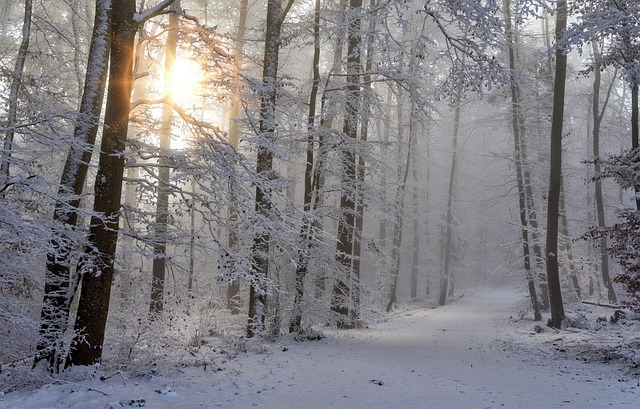
The long, dark nights of the Alaskan winter provide the necessary canvas. Summer's midnight sun, while beautiful, washes out the aurora completely. Therefore, the viewing season is confined to the darker half of the year.
The Prime Northern Lights Season in Alaska: Month-by-Month Breakdown
Not all winter months are created equal for aurora viewing. Here’s a detailed breakdown to help you choose:
- September & October: The season begins. Nights are getting longer and darker. Weather can be milder, with less extreme cold, but also cloudier with autumn storms. A good time for those who prefer slightly warmer temperatures.
- November, December, & January: These are the darkest months, with up to 18-24 hours of darkness in the Far North. This provides a long nightly window for potential viewing. However, this period also brings the most extreme cold and the highest chance of overcast skies, which can obscure the lights.
- February & March: This is widely considered the absolute peak of the season. The days are lengthening slightly, making outdoor activities more pleasant, but nights remain very dark. Historically, some of the clearest, most stable weather occurs in late winter, increasing your chances of a cloud-free show. The equinox in March is also associated with heightened geomagnetic activity.
- Early April: The very tail end of the reliable season. Nights are shorter, but aurora activity can still be strong. By mid-to-late April, the increasing daylight quickly diminishes viewing opportunities.

Top Locations in Alaska for Aurora Viewing
Where you go in Alaska is as important as when. You need to get away from city light pollution.
- Fairbanks: Often called the best place in Alaska—and even the U.S.—to see the lights. It’s situated directly under the Auroral Oval, has a long viewing season, and offers extensive tourism infrastructure like heated aurora cabins and guided tours.
- Denali National Park: The combination of the aurora over the vast, wild landscape and the silhouette of North America's tallest peak is unforgettable. Stay in the areas just outside the park entrance.
- Coldfoot (Above the Arctic Circle): For the most intense displays, venture north to the Arctic Circle communities like Coldfoot or Wiseman. The lights are often directly overhead here.
- Nome & Kotzebue: Western coastal towns that offer stunning aurora reflections over frozen water or ice.
- Anchorage & Southcentral Alaska: While possible to see the lights here during strong geomagnetic storms, they are less frequent and vivid due to southern location and light pollution. Dedicated chasers will head north.
Practical Tips for Your Aurora Adventure
Knowing the best time is half the battle. Here’s how to maximize your success.
- Plan a 3+ Night Stay: The aurora is a natural phenomenon, not a scheduled performance. A longer stay significantly increases your odds of catching a clear, active night.
- Monitor Forecasts: Use these essential tools:
- Aurora Forecast: The University of Alaska Fairbanks' Geophysical Institute provides reliable 27-day and 3-day forecasts.
- Weather Forecast: Clear skies are non-negotiable. Check local weather obsessively.
- KP Index: This measures geomagnetic activity (0-9). In Alaska, a KP index of 2 or higher can produce visible aurora. Aim for nights with a forecast of KP 3+ for vibrant displays.
- Embrace the Cold: Dress in serious, layered winter gear. You will be standing still for long periods in sub-freezing temperatures.
- Consider a Guided Tour: Local guides know the best vantage points, provide transportation, and can interpret forecasts, taking the guesswork out of your chase.
- Camera Settings: To photograph the lights, you’ll need a DSLR or mirrorless camera with manual settings, a wide-angle lens (f/2.8 or lower), a sturdy tripod, and practice with long exposures (e.g., 5-15 seconds at ISO 1600-3200).
Frequently Asked Questions (FAQ)
Q: Can you see the Northern Lights in Alaska in the summer? A: No. From late April through mid-August, Alaska experiences near-constant daylight ("Midnight Sun"), making the sky too bright to see any aurora activity.
Q: What time of night are they most visible? A: The most active period is typically between 10:00 PM and 2:00 AM, though they can appear anytime it's dark. Maximum activity often occurs around local midnight.
Q: Is Fairbanks or Anchorage better for seeing the aurora? A: Fairbanks is vastly superior. It is farther north, directly under the Auroral Oval, and has darker skies. Anchorage sees the aurora only during periods of very high activity.
Q: How far in advance should I book my trip? A: For the peak months of February and March, book lodging and tours 6-12 months in advance, especially for popular lodges and guided experiences.
Q: Are there any guarantees to see them? A: There is never a guarantee, as it depends on solar activity and weather. This is why a longer stay and careful planning are critical to improving your probability.
Conclusion
Chasing the Northern Lights in Alaska is a pursuit that blends science, patience, and a sense of adventure. By targeting the core season from September to April, with a focused plan on the peak window of late February to early April, and positioning yourself in a prime dark-sky location like Fairbanks, you stack the odds dramatically in your favor. Remember to pack for extreme cold, monitor the forecasts, and allow yourself multiple nights under the Arctic sky. With this preparation, you’ll be ready to experience one of nature’s most awe-inspiring displays—the magical dance of the Aurora Borealis over Alaska’s pristine wilderness.
Related Articles

best time to post instagram on wednesday
best time to post on instagram on sunday

best time to post on instagram on tuesday

best time to post on instagram on wednesday

best time to post on instagram wednesday