Best Time to Visit Portugal
Discover the best time for visit portugal. Complete guide with expert tips and data-driven insights.
The Ultimate Guide to the Best Time to Visit Portugal
The best time to visit Portugal depends on your priorities: for an ideal balance of pleasant weather, fewer crowds, and good value, March through early April is widely considered the optimal period. This guide breaks down the seasonal pros and cons, regional nuances, and expert planning tips to help you choose the perfect time for your trip.
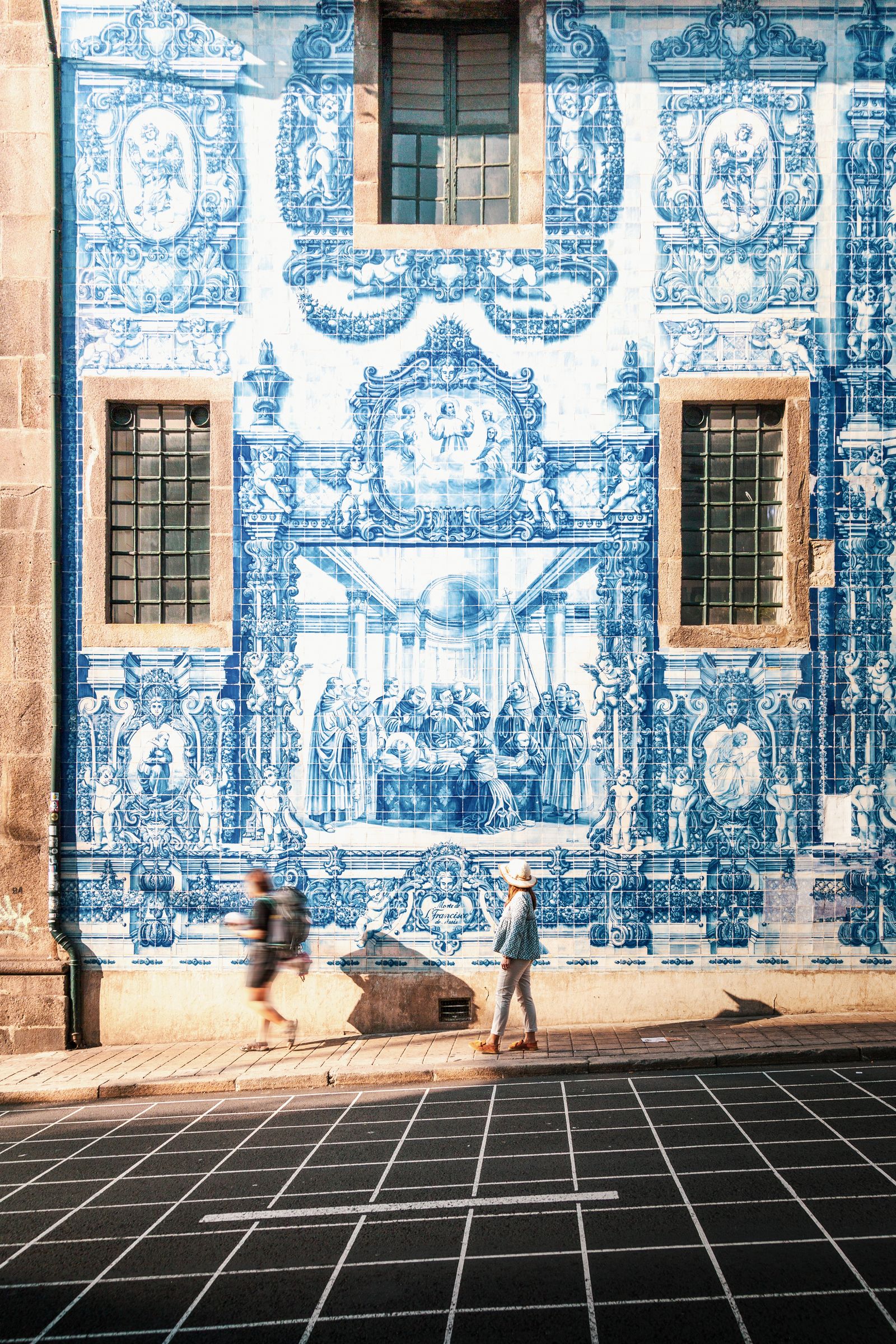
Understanding Portugal's Seasons and Weather Patterns

Portugal's climate varies significantly from north to south, influencing the best travel times. The northern regions, including Porto and the Douro Valley, experience cooler, wetter winters and warm, dry summers. The southern Algarve region boasts a Mediterranean climate with hot, sunny summers and mild, relatively wet winters. Lisbon and central Portugal enjoy a temperate climate year-round.
Based on common travel industry practice, the year can be segmented into distinct travel seasons, each offering a different experience.
Peak Season: May to September
Industry data consistently shows that Portugal's peak tourist season runs from May through September. July and August see the highest concentration of visitors, particularly in coastal areas like the Algarve, where Europeans flock for summer beach holidays. September and October are also peak times for specific regions, notably the Douro Valley during the grape harvest (vendimia).
- Pros: Guaranteed sunny, warm weather; all attractions, tours, and restaurants are fully operational; vibrant atmosphere.
- Cons: Maximum crowds at major sites; highest prices for flights and accommodations; requires booking accommodations and popular tours well in advance.
A practical strategy during peak season, often recommended by travel planners, is to base yourself in charming hotels in the countryside or smaller villages. You can visit bustling city centers during the day and retreat to a more peaceful setting in the evening.
Shoulder Seasons: March to April & October to November
The months flanking the peak season are frequently cited by experienced travelers as the sweet spot. Spring (March-April) and autumn (October-November) offer a compelling compromise.
- Spring (March-April): This period is ideal for sightseeing. The weather is mild and pleasant, landscapes are green and blooming, and tourist numbers are manageable before the summer surge. It's perfect for exploring cities like Lisbon and Porto or hiking in the countryside.
- Autumn (October-November): Similar to spring, autumn provides comfortable temperatures and thinning crowds. It's an excellent time for wine tourism in the Douro Valley post-harvest and for enjoying the Algarve's beaches without the intense summer heat.
Low Season: December to February
For the most affordable and crowd-free experience, the winter months from November to March are recommended. Hotels typically offer low-season rates during this period.
- Pros: Lowest prices across the board; authentic local experience with minimal tourist crowds; great for city breaks focused on culture, food, and museums.
- Cons: Cooler, rainier weather, especially in the north; some beach resorts and seasonal businesses may be closed; sea swimming is generally not feasible.
Planning Your First Trip to Portugal: Itinerary and Tips
For first-time visitors, an introductory trip typically focuses on the country's highlights. A well-structured 10-day itinerary allows for a balanced experience, considering travel time between destinations.
Recommended First-Time Itinerary
A common and effective itinerary includes:
- Lisbon (3 nights): Explore the historic neighborhoods of Alfama and Belém, sample pastéis de nata, and experience the city's iconic tram lines and viewpoints (miradouros).
- Porto (2-3 nights): Discover the Ribeira district, visit port wine cellars in Vila Nova de Gaia, and cross the Dom Luís I Bridge.
- Douro Valley (2 nights): Enjoy scenic river views, wine tastings at quintas (wine estates), and picturesque vineyard landscapes. Alternatively, for beach lovers, the Algarve region can be substituted.
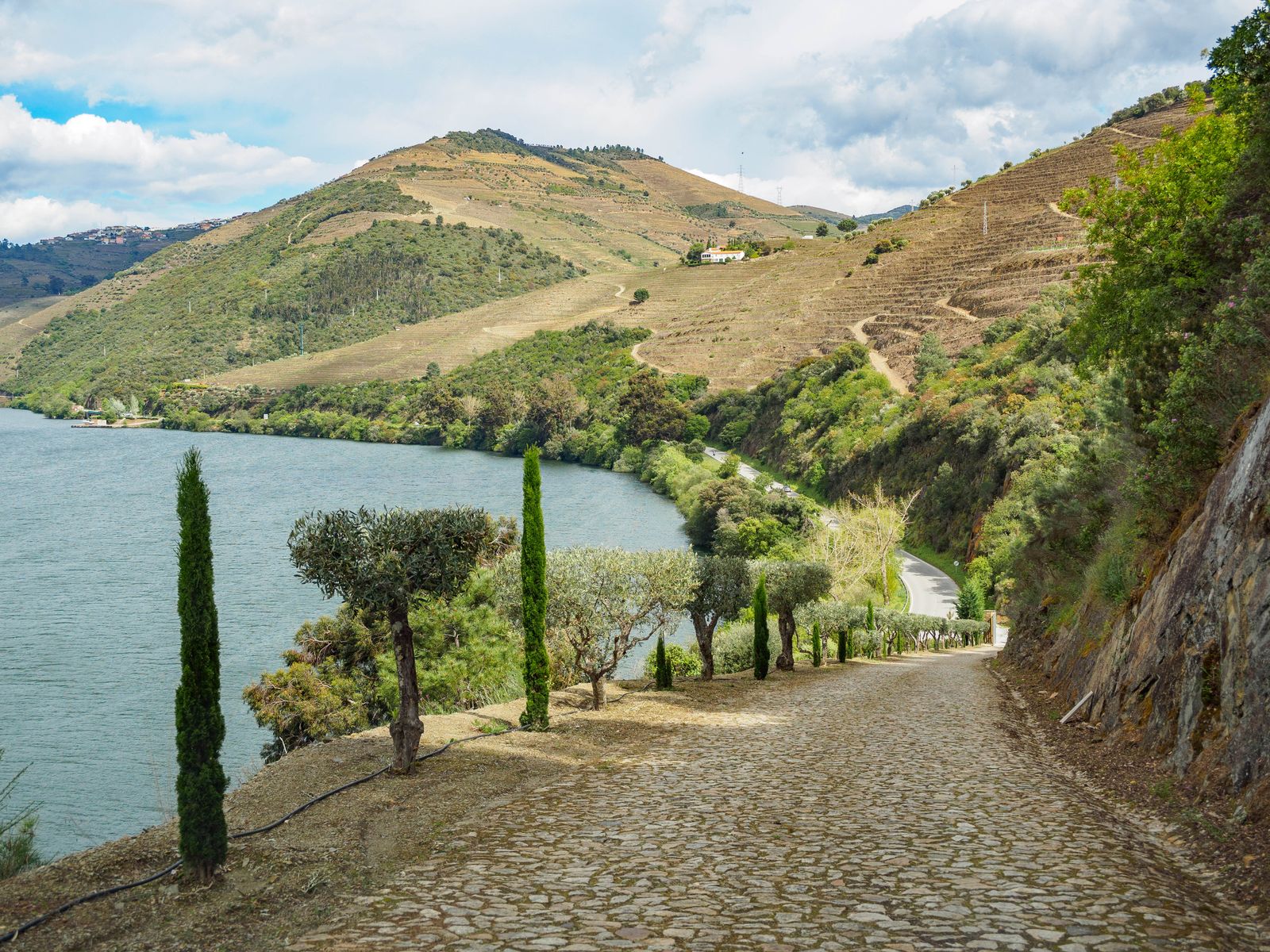
For travelers seeking to escape the well-trodden path, the Alentejo region—between Lisbon and the Algarve—offers rolling hills, hilltop villages, and rustic-charm accommodations, providing a more tranquil and authentic Portuguese experience.
Key Considerations for a Successful Visit
- Book Early: During peak and shoulder seasons, availability at top-rated hotels and for sought-after guides is limited. Securing bookings months in advance is a standard best practice.
- Manage Expectations at Popular Sites: Major attractions like the Benagil Cave, Sintra's palaces, and Lisbon's Belém Tower can be extremely crowded. To mitigate this, visit at opening time or later in the afternoon, and consider exploring lesser-known gems like the Mafra National Palace or the outskirts of major cities for a more local feel.
- Regional Diversity is Key: Portugal may be geographically compact, but its regions offer vastly different experiences—from the lush, green north to the arid, golden plains of the Alentejo and the dramatic southern coastline. Allocating time to appreciate this diversity greatly enriches a visit.
Frequently Asked Questions
What is the cheapest time to fly to Portugal?
The most affordable airfares are generally found during the low season, from November through March, excluding holiday periods like Christmas and New Year's Eve.
Is Portugal crowded all year?
While tourism has increased significantly, crowds are highly seasonal. The winter months (December-February) remain relatively quiet, especially outside of Lisbon and Porto.
Can I visit Portugal for a long weekend?
Absolutely. A 3-4 day city break to Lisbon is a fantastic introduction. The city is well-connected internationally and offers a dense concentration of history, culture, and cuisine. Many airlines, including the national carrier TAP Air Portugal, also offer convenient stopover programs, making it easy to add Lisbon to a broader European itinerary.
What should I pack for a trip to Portugal?
Packing depends on the season. Layered clothing is advisable year-round due to variable microclimates. Essentials include comfortable walking shoes, a sun hat and high-SPF sunscreen for summer, a light waterproof jacket for spring/autumn, and a warmer coat for winter. A reusable water bottle is also useful.
In summary, the "best" time to visit Portugal is not a single date but a window that aligns with your personal travel goals—whether that's perfect beach weather, optimal sightseeing conditions, budget-friendly travel, or immersive cultural experiences without the crowds. By understanding the seasonal rhythms and planning strategically, you can experience the immense charm and diversity this country has to offer.
Related Articles
Cover image coming soon
best time to visit lake district
Cover image coming soon
best time to visit lake chelan
Cover image coming soon
best time to visit oak glen
Cover image coming soon
best time to visit las vegas 2024
Best Time to Visit Yellowstone
Discover the best time for visit yellowstone. Complete guide with expert tips and data-driven insights.

Best Time to Visit Switzerland
Discover the best time for visit switzerland. Complete guide with expert tips and data-driven insights.