best time to visit lake district
Nestled in the northwest corner of England, the Lake District National Park is a breathtaking landscape of glacial ribbon lakes, rugged fells, and charming villages. For travelers from the United States planning a trip across the pond, timing is everything to experience this UNESCO World Heritage Site at its best. The best time to visit the Lake District is typically from late spring to early autumn (May through September), when you'll find the most favorable weather, longest daylight hours, and the full bloom of its natural beauty. However, each season paints the Lakes in a different light, offering unique charms for hikers, poets, photographers, and those simply seeking serene relaxation.

Seasonal Guide: Weather, Crowds, and Highlights
Choosing when to go depends largely on your priorities—be it perfect hiking conditions, vibrant flora, festive atmospheres, or peaceful solitude. Here’s a detailed breakdown of what to expect throughout the year.
Spring (Late March - May)
Spring is a time of reawakening in the Lakes. The crowds of peak season haven't yet arrived, the rainfall begins to lessen compared to winter, and the landscape bursts into color with wildflowers, bluebells, and newborn lambs in the fields.
- Weather: Temperatures range from cool to mild (45°F to 60°F / 7°C to 15°C). Showers are still frequent, but sunny days become more common.
- Crowds: Moderate and increasing towards late May. A great time to avoid the biggest summer crowds.
- Highlights: Witnessing the famous daffodils that inspired Wordsworth, excellent conditions for moderate hiking as paths dry out, and enjoying the crisp, clear air for photography.

Summer (June - August)
This is the peak season for a reason. The weather is at its warmest and most stable, all attractions and tour operators are in full swing, and the long evenings are perfect for lakeside strolls.
- Weather: The most reliable, with average highs of 65°F to 68°F (18°C to 20°C). It can still be changeable, and rain is possible, but extended dry, sunny spells are common.
- Crowds: At their peak, especially in July and August and around popular spots like Windermere, Ambleside, and Keswick. Book accommodation and popular restaurants well in advance.
- Highlights: Ideal for all outdoor activities—boating on the lakes, challenging fell walks (like Scafell Pike), open-water swimming, and attending local summer festivals.
Autumn (September - November)
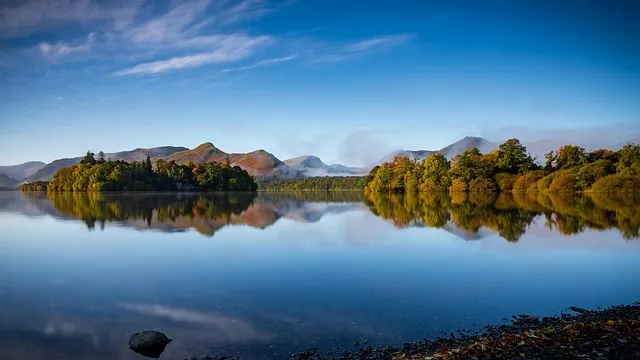
Many seasoned visitors consider early to mid-autumn the absolute best time to visit. The summer crowds have dissipated, the weather often remains surprisingly pleasant into October, and the landscape is set ablaze with spectacular autumn colors.
- Weather: Crisp and cool, starting mild in September (up to 61°F / 16°C) and becoming colder and wetter by November. Perfect hiking weather with fewer midges.
- Crowds: Significantly thinner after the September school holidays. A peaceful and atmospheric time to visit.
- Highlights: Unbeatable photography with golden bracken and russet trees reflecting in the lakes, foraging for seasonal produce, and enjoying cozy pub fires in the evenings.
Winter (December - February)
Winter offers a dramatic, moody, and crowd-free experience. While some facilities may have reduced hours, the stark beauty of frost-covered fells and peaceful villages is magical.
- Weather: Cold and wet, with average highs of 41°F to 45°F (5°C to 7°C). Snow is common on the higher fells, creating stunning vistas.
- Crowds: Very low, except for the Christmas and New Year period. You'll often have popular viewpoints to yourself.
- Highlights: Bracing winter walks followed by a hearty meal in a traditional inn, the possibility of seeing snow-capped mountains, and a unique, tranquil atmosphere. Note that some hiking routes may be hazardous due to ice and shorter daylight hours.
Practical Tips for Planning Your Visit
Beyond the season, a few key tips will ensure your trip is smooth and enjoyable.
- Book Early for Summer: For travel in June-August, aim to book your accommodation, rental car, and even popular restaurant reservations 3-6 months in advance.
- Pack for All Weathers: Regardless of the season, the Lake District's weather is famously changeable. Always pack a waterproof jacket, sturdy walking shoes, and layers you can easily add or remove.
- Consider Shoulder Seasons: The months of May, June, September, and October often provide the best balance of good weather, manageable crowds, and available accommodations.
- Midges (Biting Insects): These tiny pests are most prevalent in calm, damp conditions from late May to September, especially around dawn and dusk near water. Pack insect repellent if visiting in summer.
- Driving and Parking: Roads are narrow and can be very busy in summer. Consider using the excellent Lake District bus services or park-and-ride schemes to reach popular valleys.
Frequently Asked Questions (FAQ)
What is the warmest month in the Lake District? July is typically the warmest month, with average high temperatures around 68°F (20°C). August is similarly warm but can be wetter.
Is the Lake District too rainy in the summer? While it is one of the wetter regions in England, summer sees less frequent and often shorter showers compared to other seasons. Long dry spells are common, but always be prepared for a sudden change.
What is the best time to visit to avoid crowds? For the best weather with fewer people, target late May, early June, or September. For complete solitude, visit in the winter months outside of the Christmas holiday.
Is October a good time to visit the Lake District? Yes, October can be excellent. You'll experience stunning autumn foliage, fewer crowds, and crisp hiking weather. Be prepared for cooler temperatures and an increased chance of rain as the month progresses.
How many days do I need for a trip? A minimum of 3-4 days allows you to explore a couple of different lakes and villages and undertake a few good walks. A week gives you time to immerse yourself fully and explore more remote areas.
Conclusion
Ultimately, the Lake District is a year-round destination where the "best" time is wonderfully subjective. For classic postcard-perfect scenery and active adventures, aim for the summer months. For a peaceful retreat with breathtaking natural color, autumn is unbeatable. Spring offers renewal and freshness, while winter provides a stark, serene escape. By aligning your visit with your personal travel style and using this seasonal guide, you're guaranteed a memorable experience in one of the world's most beautiful landscapes. Start planning, pack your sense of adventure (and a raincoat), and get ready to discover the poetic heart of England.
Related Articles
Cover image coming soon
Best Time to Visit Thailand
Discover the best time for visit thailand. Complete guide with expert tips and data-driven insights.

best time to visit walt disney world in florida

when is the best time to go to costa rica

best time to visit redwood national park

best time to visit the galapagos islands
