Best Time to Visit Thailand
Discover the best time for go to thailand. Complete guide with expert tips and data-driven insights.
Planning the perfect trip to Thailand hinges on understanding its diverse climate. The best time to visit Thailand for most travelers is during the cool, dry season from November to February, when conditions are ideal for exploring cities, relaxing on beaches, and enjoying outdoor activities nationwide. However, Thailand's weather varies significantly by region, meaning there's rarely a bad time to visit—just a time that's better suited for your specific itinerary.
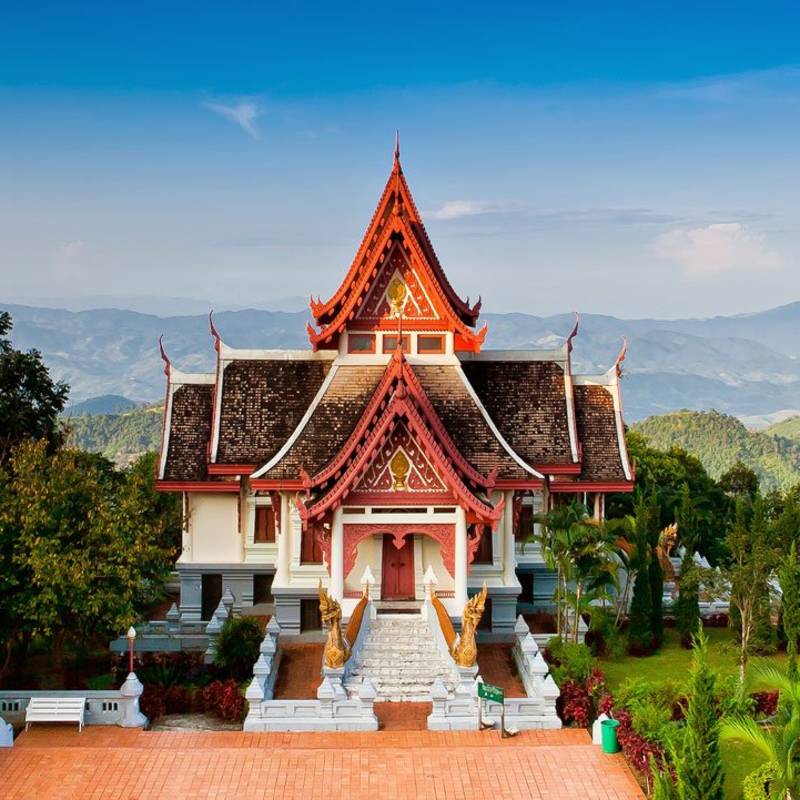
Understanding Thailand's Three Seasons
Thailand's climate is broadly categorized into three seasons, though their intensity and timing differ between the north, central plains, and southern coasts. Industry travel planners and meteorological resources consistently reference this three-season model for trip planning.
1. Cool & Dry Season (November - February)
This is Thailand's peak tourist season and for good reason. Based on common travel industry data, temperatures are pleasant, ranging from 79°F to 95°F (26°C to 35°C), with lower humidity and minimal rainfall. Skies are typically clear, making it perfect for sightseeing, festivals like Loy Krathong, and beach holidays on both coasts. Major destinations like Bangkok, Chiang Mai, and Phuket are at their busiest during this period.
2. Hot Season (March - June)
Temperatures and humidity rise significantly, often exceeding 100°F (38°C) in April. While this can be challenging for extensive outdoor exploration, it's a good time for island hopping in the Gulf of Thailand. The Songkran water festival in mid-April is a major cultural draw. Travelers sensitive to heat should plan activities for early mornings or late afternoons and stay well-hydrated.
3. Rainy Season (July - October)
Driven by the southwest monsoon, this season brings frequent, heavy downpours, usually in short, intense bursts followed by sunshine. Humidity is high. While some islands experience rough seas and ferry cancellations, this is the low season, offering fewer crowds and lower prices. The landscape is lush and green. It's worth noting that rainfall patterns are highly regional.
Best Time to Visit by Region
A one-size-fits-all approach doesn't work for Thailand. The optimal travel period depends heavily on your destination.
Bangkok & Central Plains
- Best Time: November to January
- What to Expect: The heat and humidity are at their most manageable. Rainfall is low. This is the ideal window for exploring temples, markets, and the city's vibrant street life.
- Considerations: The city is warm to hot year-round. Brief showers can occur even in the dry season, but they are typically short-lived.
Northern Thailand (Chiang Mai, Chiang Rai, Pai)
- Best Time: November to February
- What to Expect: Days are sunny and warm, while nights can be surprisingly cool, especially in December and January—a light jacket is recommended. This is perfect for trekking and temple visits.
- Important Note: From late February to April, farmers in the region often practice "slash-and-burn" agriculture, leading to significant smog and poor air quality. This period is best avoided by those with respiratory issues.
Southern Thailand: Andaman Coast & Islands
(Phuket, Krabi, Phi Phi, Koh Lanta)
- Best Time: November to April
- What to Expect: This is the prime dry season on the west coast, with calm seas, abundant sunshine, and excellent conditions for diving and snorkeling (especially December-April).
- Rainy Season Impact: The monsoon is strongest here from May to October, with a higher likelihood of prolonged rain and rougher seas, which can affect boat travel and water activities.
Southern Thailand: Gulf of Thailand & Islands
(Koh Samui, Koh Phangan, Koh Tao)
- Best Time: January to August
- What to Expect: This region follows a different weather pattern. The driest, sunniest months typically span from January through August, with a peak of rainfall often occurring between October and December.
- Key Advantage: When the Andaman Coast is in its wet season, the Gulf Islands often enjoy better weather, providing a reliable tropical escape.
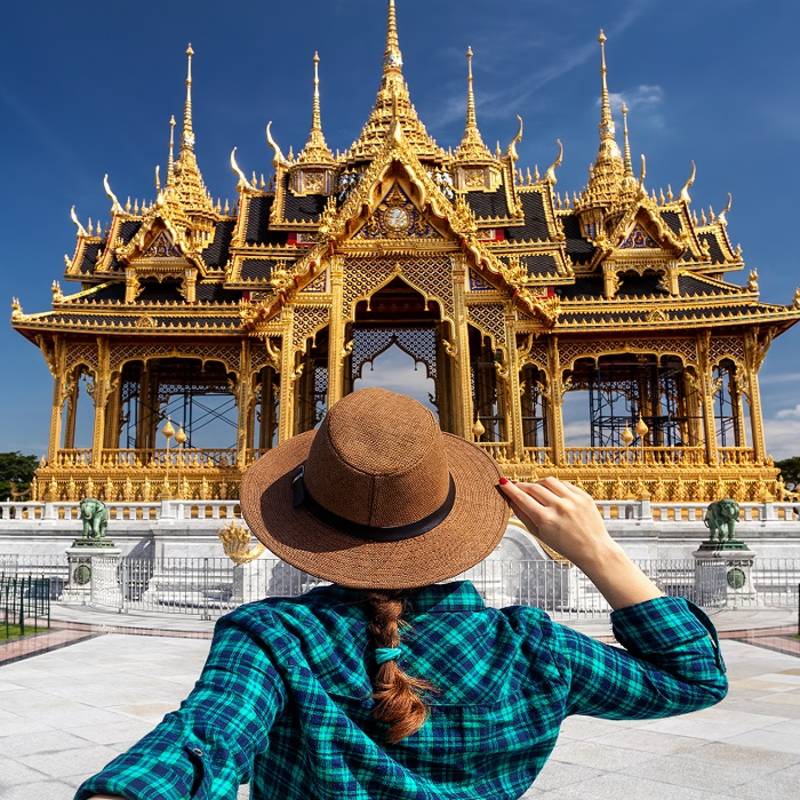
Essential Packing Guide for Thailand
Packing appropriately ensures comfort and shows respect for local customs. The guiding principle is to prioritize lightweight, breathable fabrics due to the pervasive heat and humidity.
- General Clothing: Opt for loose-fitting, quick-dry materials like cotton and linen. For men, collared shirts, polo shirts, and knee-length shorts or lightweight trousers are versatile. For women, T-shirts, blouses, skirts, shorts, and sundresses are suitable. A light scarf or pashmina is invaluable for covering shoulders when needed.
- Temple & Cultural Site Visits: Modesty is required. Clothing must cover shoulders and knees for both men and women. Avoid tight or revealing outfits. Slip-on shoes are highly recommended, as you must remove footwear before entering temple buildings and many homes.
- Beach & Resort Wear: Swimwear is acceptable at pools and beaches, but cover up with a sarong, kaftan, or T-shirt and shorts when entering shops, restaurants, or walking through town.
- Essential Accessories: A high-SPF sunscreen, sunglasses, a wide-brimmed hat, and a reusable water bottle are non-negotiable. A compact umbrella or lightweight rain jacket is wise year-round.
- For the North: If traveling to Chiang Mai or the highlands between November and February, include a sweater, jacket, or fleece for cool evenings.
Frequently Asked Questions
Q: Is the rainy season in Thailand a complete washout? A: Not usually. The rainy season is characterized by heavy but often brief afternoon downpours, followed by sunshine. It rarely rains all day, every day. The countryside is exceptionally lush and green during this time.
Q: When is the cheapest time to visit Thailand? A: The low season (July to October, excluding local holidays) generally offers the best deals on flights and accommodation, particularly in regions most affected by the monsoon, like the Andaman Coast.
Q: Can I visit beach destinations year-round? A: Yes, due to Thailand's dual-coast geography. When one coast is experiencing its wet season, the other often has drier weather. Careful regional planning allows for a beach holiday any month.
Q: What should I avoid when packing? A: Avoid heavy denim, excessive leather items, and too many formal clothes. Also, single-use plastics are increasingly discouraged; packing a reusable shopping bag is a responsible choice.
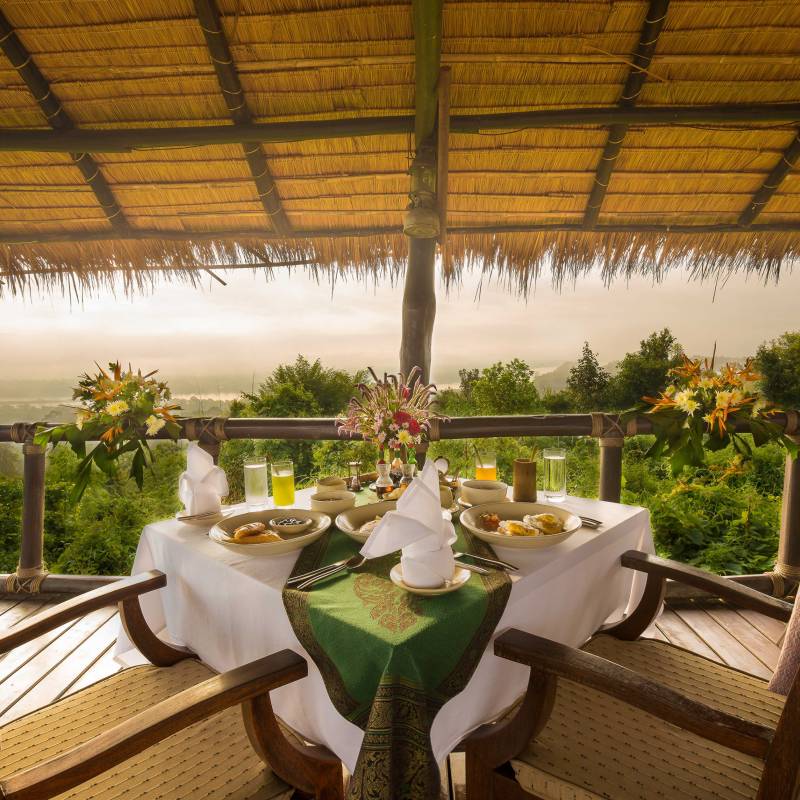
By aligning your travel dates with regional weather patterns and packing thoughtfully, you can ensure a comfortable and enriching experience in the Land of Smiles, no matter when you choose to visit.