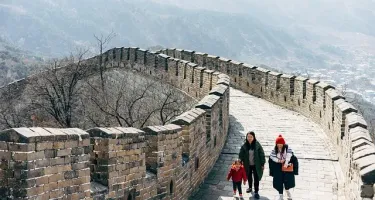
what is the best time to go to china
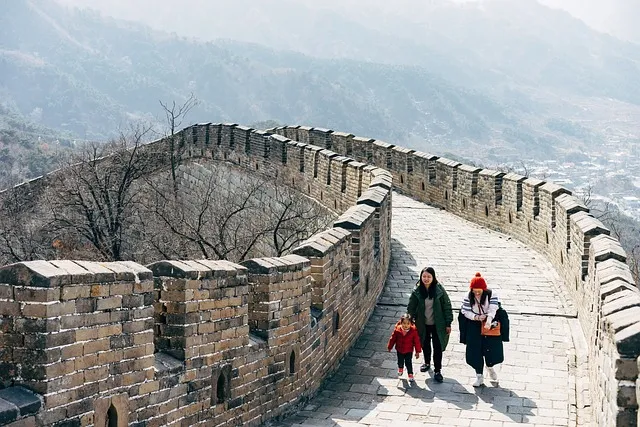
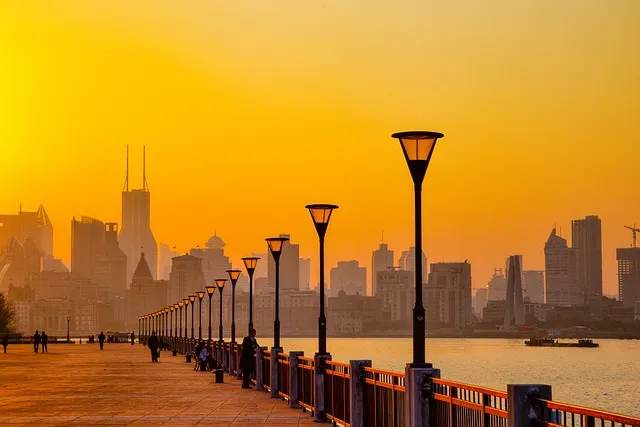
China, a vast and diverse nation stretching from the Siberian border to the tropics of the South China Sea, offers a breathtaking array of experiences. From the ancient wonders of the Great Wall and the Forbidden City to the futuristic skylines of Shanghai and the serene landscapes of Guilin, timing your visit is crucial to enjoying it all. The best time to go to China largely depends on your destination, tolerance for crowds, and preferred activities, but generally, the shoulder seasons of spring (April to early June) and autumn (September to October) are considered ideal for most travelers. These periods offer the most pleasant weather, stunning natural scenery, and fewer extreme tourist crowds compared to the peak summer and winter holidays.
Understanding China's Seasons and Regional Climates
China's climate is incredibly varied, meaning the "best" weather can be happening in one region while another is less hospitable. Your itinerary will heavily influence the optimal time for your trip.
Spring (March to May)
Spring is a magical time across much of China, particularly in the central and eastern regions.
- Weather: Temperatures become mild and pleasant. In Beijing and Shanghai, averages range from 50°F to 70°F (10°C to 21°C).
- Highlights: This is the season for iconic cherry and peach blossoms. Parks and ancient gardens come alive with color. It's perfect for hiking, exploring cities on foot, and visiting historical sites without summer's intense heat.
- Considerations: Late March and early April coincide with the Qingming Festival, a national holiday that can mean domestic travel crowds. Southern regions can be rainy.
Summer (June to August)
Summer is peak tourist season, especially for domestic travelers, but it comes with significant challenges.
- Weather: Hot, humid, and rainy. Northern cities like Beijing can see temperatures soar above 95°F (35°C), while the south experiences its monsoon season. However, the Tibetan Plateau and northern grasslands offer cooler escapes.
- Highlights: Lush green landscapes, vibrant festivals, and the best time to visit high-altitude destinations like Tibet and parts of Sichuan.
- Considerations: This is the busiest and most expensive time. Major attractions are packed, and the heat and humidity can be oppressive. Typhoons can affect the southeastern coast from July to September.

Autumn (September to October)
Widely regarded as the premier season to visit China, autumn offers near-perfect conditions.
- Weather: Clear, sunny skies, low humidity, and comfortable temperatures. It's ideal for outdoor activities and photography.
- Highlights: The countryside, especially in regions like Zhangjiajie and the Yellow Mountains, is painted with spectacular fall colors. The Mid-Autumn Festival is a beautiful cultural experience.
- Considerations: This is the second peak tourist season. The first week of October is National Day Golden Week, one of China's biggest holidays. Avoid this week at all costs if you dislike massive crowds, as transportation and attractions are overwhelmed.
Winter (November to February)
Winter offers a unique and less crowded perspective, but requires careful planning.
- Weather: Cold and dry in the north (Beijing can drop below freezing), but milder and damp in the south. Harbin hosts the world-famous Ice and Snow Festival.
- Highlights: Significantly fewer tourists, lower prices, and magical snowy scenes on the Great Wall and classical gardens. Southern cities like Hong Kong, Macau, and Sanya on Hainan Island offer warm winter getaways.
- Considerations: Some tourist facilities in remote areas may have reduced hours. Air pollution can be worse in northern industrial cities during winter.
Practical Tips for Planning Your Visit
Beyond the seasons, a few key factors should guide your decision on when to book your Chinese adventure.
- Major Holidays to Avoid: The three main travel periods in China are Chinese New Year (late Jan/early Feb), Labor Day (May 1), and National Day (Oct 1-7). During these times, hundreds of millions of people travel domestically. Flights and trains are booked solid, prices skyrocket, and attractions are unbearably crowded.
- Festivals to Target: For a positive cultural immersion, plan around festivals like the Lantern Festival (ending Chinese New Year), Dragon Boat Festival (June), or Mid-Autumn Festival (Sept/Oct). Book well in advance for these.
- Destination-Specific Advice:
- Yangtze River Cruise: Spring and autumn are best.
- Tibet: May to October, when roads and passes are open.
- Silk Road (Xinjiang): Late spring (May-June) and autumn (Sept-Oct) to avoid desert extremes.
- Tropical Hainan Island: November to March for a sunny beach escape.
Frequently Asked Questions (FAQ)
Q: What is the absolute worst time to visit China? A: The week-long National Day holiday (October 1-7) is arguably the most challenging time for international tourists due to unprecedented crowds. The Chinese New Year travel period (Chunyun) is also extremely crowded, though many businesses close.
Q: Is it okay to visit China in the summer? A: Yes, but you must be prepared for intense heat, humidity, and heavy rainfall in the east and south. Prioritize air-conditioned indoor attractions, visit cooler northern regions or highlands, stay hydrated, and book everything far in advance.
Q: What should I pack for a spring or autumn trip? A: Pack layers! Days can be warm and sunny, while evenings can be cool. A light jacket, comfortable walking shoes, a rain shell, and a mix of short and long-sleeved shirts are essential. Don't forget a power adapter and a VPN if you wish to access common Western websites and apps.
Q: How far in advance should I book my trip? A: For travel during peak seasons (spring, autumn, summer) or around festivals, aim to book international flights and major domestic trains/hotels 3-6 months in advance. For winter travel outside of holidays, 1-3 months is usually sufficient.
Q: Does it matter which month in spring or autumn I choose? A: Yes. Late April to early June and late September to late October typically offer the most stable and pleasant weather. Early spring (March) can still be chilly, and late autumn (November) can be quite cold, especially in the north.
Conclusion
Determining the best time to go to China is about balancing weather, crowds, and your personal travel goals. For a first-time visitor aiming to see classic sights like Beijing, Xi'an, and Shanghai while enjoying comfortable weather, targeting the months of May, June, September, or October (excluding holiday weeks) is your best strategy. This provides the optimal blend of scenic beauty, cultural accessibility, and manageable tourism levels. Whether you seek the blossoms of spring, the golden hues of autumn, or the quiet majesty of a winter landscape, China's immense diversity ensures a remarkable experience year-round with the right planning.
Related Articles

best time to visit beijing china

best time to go to great wall of china
what is the best time of year to visit china

best time to visit macau china

best time to visit zhangjiajie china