china best time to visit
China, a vast and diverse nation stretching from the snowy peaks of the Himalayas to the tropical shores of Hainan, offers a dramatically different travel experience with each changing season. Determining the best time to visit China depends entirely on your priorities: whether you seek perfect weather, wish to avoid massive crowds, or plan your trip around spectacular cultural festivals. Generally, the shoulder seasons of spring (April to May) and autumn (September to early November) are considered the most favorable nationwide, offering a harmonious balance of pleasant temperatures, manageable tourism levels, and stunning natural scenery. This guide will break down the seasonal highlights, regional variations, and key events to help you plan your perfect Chinese adventure.
Understanding China's Seasons & Regional Climates
China's climate is incredibly varied, divided into distinct zones. Your experience in the arid northwest will be nothing like your visit to the humid south. Here’s a seasonal and regional breakdown to inform your decision.
Spring (March to May)
Spring is a season of renewal and is widely regarded as one of the best times to visit central, eastern, and southern China.
- Weather: Temperatures become comfortably warm, and rainfall is moderate. However, late spring can see increased showers, especially in the south.
- Highlights: This is the iconic season for cherry and peach blossoms. Cities like Shanghai, Hangzhou, and Wuhan burst into color. It's an excellent time for visiting classical gardens and taking Yangtze River cruises.
- Best For: Flower viewing, hiking, and city exploration without extreme heat.
- Regions to Focus On: East China (Shanghai, Suzhou, Hangzhou), Yellow Mountain (Huangshan), and the Yangtze River region.

Summer (June to August)
Summer is peak tourist season, characterized by hot, humid weather and the summer holiday travel rush.
- Weather: Hot and humid across most of the country, with the monsoon season bringing heavy rains to southern and eastern regions (July-August). Northern areas like Beijing are hot but drier. The Tibetan Plateau offers a cool escape.
- Highlights: Lush green landscapes, vibrant festivals, and optimal conditions for visiting high-altitude destinations like Tibet and Jiuzhaigou Valley.
- Considerations: Be prepared for large crowds at major sites (e.g., the Forbidden City, Terracotta Army) and occasional flight/train delays due to weather. Air quality can be poorer in industrial cities.
- Best For: Exploring Tibet, Inner Mongolia, and northwestern regions, or attending summer festivals.
Autumn (September to November)
Autumn rivals spring as the absolute best time to visit most of China, offering clear skies and stunning visuals.
- Weather: Generally dry, sunny, and cool with low humidity. The air is crisp, making it perfect for outdoor activities.
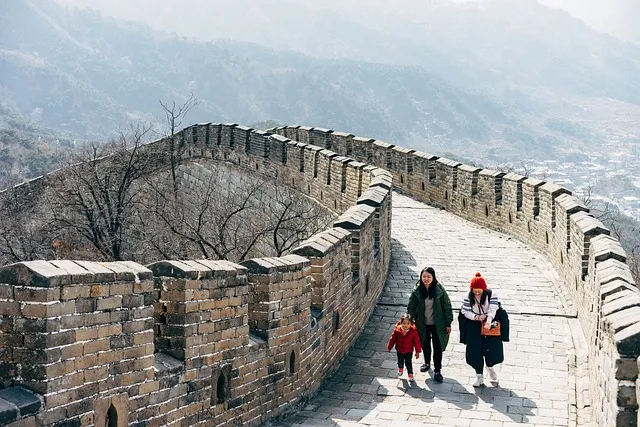
- Highlights: The landscape transforms with brilliant autumn foliage, particularly breathtaking in places like the Great Wall, Jiuzhaigou Valley, and the Yellow Mountains. The Mid-Autumn Festival (usually September) is a beautiful cultural event.
- Best For: Hiking, photography, visiting historical sites, and enjoying outdoor festivals. This is the ideal time for a classic itinerary covering Beijing, Xi'an, and Shanghai.
Winter (December to February)
Winter offers a unique perspective with fewer tourists and lower prices, but with challenging cold in the north.
- Weather: Bitterly cold and dry in the north (Beijing, Harbin), with temperatures often below freezing. Southern China (Guilin, Yunnan) is cool and damp. Harbin hosts the world-famous Ice and Snow Festival.
- Highlights: The Harbin Ice Festival is a monumental winter wonderland. Seeing the Great Wall or the Forbidden City dusted with snow is a magical experience. Southern destinations like Yunnan Province (Kunming, Lijiang) enjoy mild, spring-like weather year-round.
- Best For: Winter festival enthusiasts, skiers, travelers on a budget, and those visiting tropical Sanya or temperate Yunnan.
Practical Tips for Planning Your Visit
Beyond the weather, a few key practical considerations can make or break your trip.
- Avoid National Holidays: The absolute busiest times in China are the Golden Weeks: National Day (Oct 1-7) and Chinese New Year/Spring Festival (late Jan/early Feb, dates vary). Transportation is packed, attractions are overwhelmed, and prices skyrocket. Plan around these if possible.
- Book Well in Advance: For travel during peak seasons (spring, autumn, summer holidays), book flights, trains, and hotels at least 2-3 months in advance. This is crucial for popular destinations like Xi'an and Zhangjiajie.
- Pack for Variability: Layers are essential. Even in spring or autumn, temperatures can swing significantly between day and night, especially in northern and mountainous regions.
- Consider Shoulder Months: The very beginning of April or late October/early November can offer the benefits of peak season with slightly fewer crowds.

Frequently Asked Questions (FAQ)
Q: What is the absolute best month to visit China? A: October is often cited as the single best month. The weather is nearly perfect nationwide—dry, sunny, and cool—and the autumn foliage is at its peak. The main drawback is the National Day holiday at the beginning of the month.
Q: Is summer a bad time to visit due to heat and crowds? A: Not necessarily "bad," but challenging. If you can tolerate heat and humidity and plan to visit cooler regions (Tibet, Qinghai, Northern China), it can be rewarding. Just be mentally and physically prepared for large crowds at major tourist sites.
Q: Can I visit Tibet year-round? A: The best time for Tibet is May to early October, when roads are clear and temperatures are mild. Winter visits are possible but very cold, and some high passes may be closed. Access to Tibet requires a special permit arranged through a tour agency.
Q: When is the best time to visit for good air quality? A: Air quality tends to be best in autumn and winter (outside of heating season in the north). Wind and rain help disperse pollution. Summer can often have higher pollution levels due to atmospheric conditions.
Q: I want to see the pandas. When should I go? A: The Chengdu Research Base of Giant Panda Breeding is open year-round. Spring and autumn offer the most comfortable weather for walking around the base. Pandas are most active in the cooler morning hours, regardless of season.
Conclusion
Choosing the best time to visit China is the first step in crafting an unforgettable journey. For first-time visitors aiming to see the classic highlights—Beijing, Xi'an, Shanghai, and the Guilin landscape—autumn (September-November) provides the most reliable and picturesque conditions. For those chasing floral beauty and milder crowds, late spring (April-May) is sublime. Adventurous travelers seeking unique experiences will find magic in the frozen sculptures of Harbin's winter or the cool, high-altitude summers of Tibet. By aligning your travel dates with your preferred climate, activities, and tolerance for crowds, you can ensure your exploration of the Middle Kingdom is as rewarding as possible.
Related Articles

best time to visit macau china
what is the best time to go to china
what is the best time of year to visit china

best time to visit zhangjiajie china

best time to visit beijing china