what is the best time of year to visit china
China, a vast and diverse nation stretching from the deserts of Xinjiang to the tropical shores of Hainan, offers a breathtaking array of experiences. Determining the single best time to visit depends entirely on your priorities—whether you seek perfect weather, cultural immersion, or avoiding the crowds. Generally, the most favorable periods for most travelers are the shoulder seasons of spring (April to early June) and autumn (September to October), when temperatures are mild, skies are often clear, and major festivals add vibrant color to your journey. This guide will break down China's complex climate, regional highlights, and seasonal events to help you plan your perfect trip.
Understanding China's Seasons and Regional Climates
China's climate is not monolithic; it's a tapestry of several zones. Your experience in Beijing will be vastly different from one in Guangzhou or Lhasa. Here’s a seasonal and regional breakdown to guide your planning.
Spring (March to May)
Spring is a season of renewal and is widely considered one of the best times to visit central and eastern China.
- Weather: Temperatures become pleasantly warm after the cold winter. However, late March can still be chilly in the north, while the south enters its rainy season.
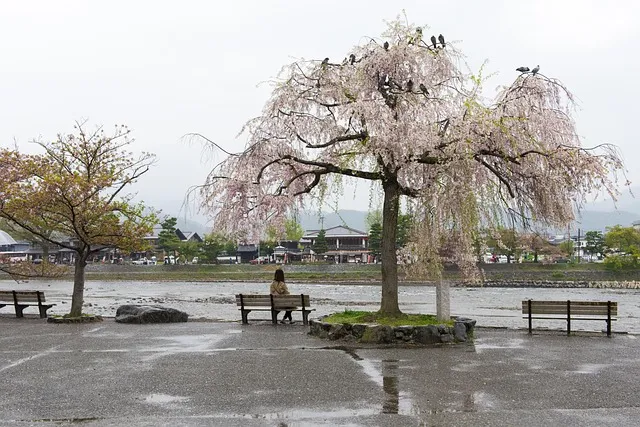
- Highlights: This is the prime time for one of China's most iconic natural events: cherry and peach blossoms. Cities like Shanghai, Hangzhou, and Wuhan become floral wonderlands.
- Key Festival: The Qingming Festival (Tomb-Sweeping Day) in early April is a public holiday, so expect domestic travel crowds.
- Best For: Garden visits, hiking, photography, and enjoying outdoor cafes without summer's intense heat.
Summer (June to August)
Summer is peak tourist season, characterized by heat, humidity, and significant crowds, but it also offers unique access.
- Weather: Hot and humid across most of the country, especially in the east and south. The north can be dry and hot. This is also the rainy season for much of China.
- Highlights: This is the ideal time to visit the Tibetan Plateau (Lhasa, Shangri-La), where conditions are cool and dry. The grasslands of Inner Mongolia are also at their lushest.
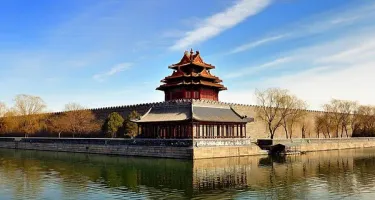
- Key Consideration: The summer holiday for Chinese students (July-August) leads to enormous crowds at major sites like the Great Wall and the Forbidden City. Be prepared for long lines and higher prices.
- Best For: Traveling to high-altitude regions, experiencing vibrant night markets, and visiting the cooler far north.
Autumn (September to October)
Autumn rivals spring as the premier time to visit. The weather is consistently excellent, and the landscapes are stunning.
- Weather: Arguably the most comfortable season. Days are warm and sunny, nights are cool, and rainfall decreases significantly. The air is often clear, offering great visibility.
- Highlights: The countryside, especially in regions like Zhangjiajie National Forest Park and the Yellow Mountains (Huangshan), is painted in brilliant red and gold foliage.
- Key Festival: The Mid-Autumn Festival (usually September) is a beautiful time to be in China, with mooncakes and lantern displays.
- Best For: Hiking, visiting historical sites, photography, and rural travel. The National Day "Golden Week" (Oct 1-7) is extremely crowded—avoid travel during this period if possible.
Winter (November to February)
Winter offers a completely different, often more serene, perspective on China.
- Weather: Cold and dry in the north (Beijing can be below freezing), while the south remains cool and damp. Harbin, in the far northeast, is famously frigid.
- Highlights: The Harbin International Ice and Snow Festival (January-February) is a world-class spectacle of ice architecture. Tourist sites like the Forbidden City are far less crowded.
- Key Consideration: Chinese New Year (or Spring Festival, dates vary between Jan-Feb) is the world's largest annual migration. While culturally fascinating, transportation is jammed, and many businesses close.
- Best For: Winter sports, experiencing the ice festival, exploring cities without crowds, and enjoying hot pot like a local.
Practical Tips for Choosing Your Travel Dates
Beyond weather, several practical factors should influence your decision.
- Crowd Avoidance: To escape the biggest crowds, avoid Chinese public holidays: Chinese New Year (Jan/Feb), Labor Day (May 1), and National Day (Oct 1-7). The shoulder months of late April, May, September, and early October (outside Golden Week) are optimal.
- Regional Focus: Tailor your time to your destination. For the classic "Golden Triangle" route (Beijing, Xi'an, Shanghai), spring and autumn are perfect. For the Himalayan vistas of Tibet or Yunnan, target May-October. For tropical Hainan, winter is ideal.
- Festival-Driven Travel: If your goal is cultural immersion, planning around a major festival like Chinese New Year or the Dragon Boat Festival (June) can be rewarding, but requires meticulous planning.
- Air Quality: Northern cities, particularly in winter, can experience periods of poor air quality (smog). Autumn typically offers the clearest skies.
Frequently Asked Questions (FAQ)
Q: What is the absolute worst time to visit China? A: The week of National Day (October 1-7) is arguably the most challenging due to overwhelming domestic travel crowds. The Chinese New Year travel period is also extremely congested, though the festival itself is culturally rich.
Q: Is summer too hot and rainy to enjoy? A: It can be strenuous in eastern cities like Shanghai and Chongqing, where heat and humidity are intense. However, it's the best season for Tibet, Inner Mongolia, and northern regions like Heilongjiang. Always carry an umbrella and stay hydrated.
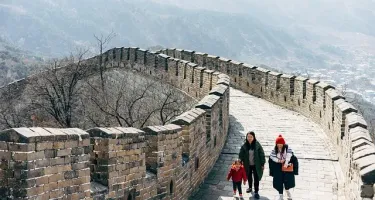
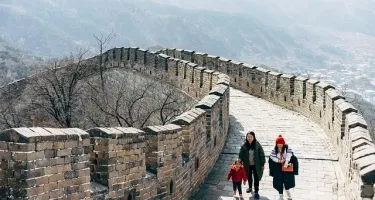
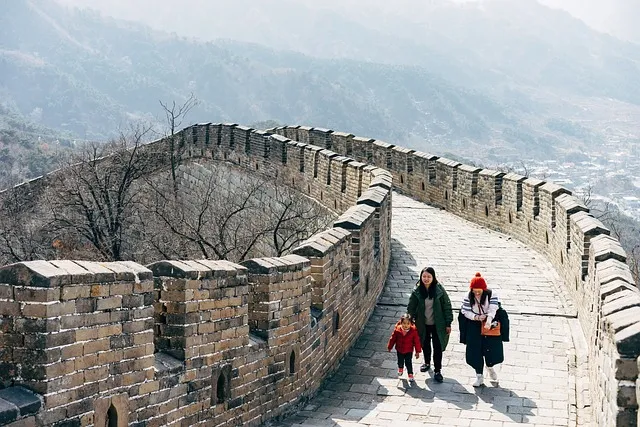
Q: When is the best time to see the Great Wall with good weather and fewer people? A: Aim for weekdays in May or late September. Early mornings are always better. Avoid weekends and all public holidays.
Q: Can I visit China in winter? A: Absolutely, and it can be magical. Southern cities like Guangzhou and Kunming are quite mild. Beijing's winter is crisp, and sites are uncrowded. Just pack appropriately for the cold.
Q: When is the best time for a Yangtze River cruise? A: The peak seasons for cruising are spring (April-May) and autumn (September-October), when temperatures are pleasant and rainfall is lower, ensuring clearer views of the dramatic gorges.
Conclusion
There is no universal "best" time to visit China, but there is a perfect time for your trip. For first-time visitors seeking a balance of good weather, manageable crowds, and beautiful scenery, targeting the months of May or September is an excellent strategy. These periods capture the gentle beauty of spring blossoms or the golden glow of autumn, providing an ideal backdrop for exploring China's ancient history and dynamic modern culture. By aligning your travel dates with your preferred activities and regions, you can ensure a comfortable and unforgettable journey through one of the world's most fascinating destinations.