best time to visit zhangjiajie china
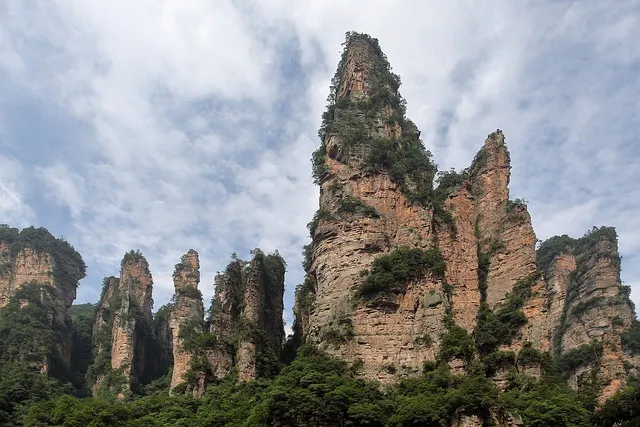
Zhangjiajie, a UNESCO World Heritage Site in China's Hunan Province, is a destination of otherworldly beauty, famed for its towering sandstone pillars, deep ravines, and lush subtropical forests. Often cited as the inspiration for the floating Hallelujah Mountains in the movie Avatar, this national park offers a breathtaking experience year-round. However, choosing the best time to visit Zhangjiajie, China, is crucial for optimizing your adventure, as the weather dramatically influences visibility, crowd levels, and the overall landscape. This guide will help you navigate the seasons to plan your perfect trip.
Understanding Zhangjiajie's Seasons and Climate
Zhangjiajie has a humid subtropical monsoon climate characterized by distinct seasons. The park's elevation variations mean weather can change quickly, with mist and fog being both a magical feature and a potential challenge for views. The core considerations are temperature, rainfall, and the famous "sea of clouds" phenomenon.
Spring (March to May)
- Weather: Temperatures rise from cool to pleasantly warm (50°F to 75°F / 10°C to 24°C). This is a season of renewal, with increasing rainfall, especially in April and May.
- Pros: The landscape bursts to life with vibrant greenery and blooming flowers. The frequent rain showers create spectacular waterfalls and increase the chances of witnessing the ethereal clouds and mist swirling around the peaks—a photographer's dream.
- Cons: Rain can be persistent, leading to slippery trails and occasional fog that may obscure the grand vistas. It's not the peak tourist season but can get busy during Chinese Labor Day (early May).
- Verdict: An excellent time for photographers and nature lovers who don't mind some moisture for the reward of dramatic, atmospheric scenery.
Summer (June to August)
- Weather: This is the hot, humid, and rainy season. Temperatures range from 70°F to 90°F (21°C to 32°C), with July and August being the wettest months.
- Pros: Lush, dense forests are at their peak. The rain ensures waterfalls are powerful and the air is clear after a downpour, offering crisp views. Long daylight hours are ideal for hiking.
- Cons: This is the peak domestic tourist season, especially in July and August during school holidays. Crowds can be overwhelming at major viewpoints like Yuanjiajie and Tianzi Mountain. Heat, humidity, and sudden thunderstorms are common.
- Verdict: If you can handle crowds and heat, summer offers energetic scenery. Aim for early June or late August to slightly avoid the absolute peak.
Autumn (September to November)
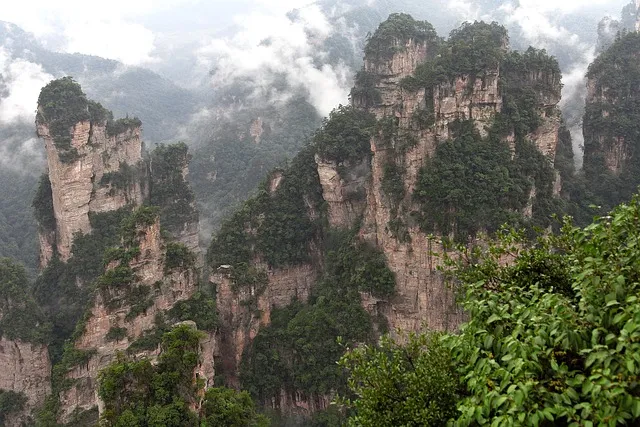
- Weather: Widely considered the best overall time to visit Zhangjiajie. The weather is mild, stable, and comfortable, with temperatures from 55°F to 75°F (13°C to 24°C). Rainfall decreases significantly, and skies are often clear and blue.
- Pros: Excellent visibility for panoramic views of the pillar forests. Comfortable temperatures for extensive hiking. The autumn foliage, particularly in late October and November, adds stunning hues of red and gold to the landscape. Crowds thin out after the National Day holiday in early October.
- Cons: The week-long National Day "Golden Week" (Oct 1-7) is arguably the busiest time of the entire year in the park—avoid it if possible.
- Verdict: The prime season for most travelers, offering the best balance of great weather, good visibility, and manageable crowds (outside Golden Week).
Winter (December to February)
- Weather: Cold and damp, with temperatures often between 30°F and 50°F (-1°C to 10°C). Occasional snowfall transforms the park into a silent, frosty wonderland.
- Pros: The smallest crowds of the year, offering a serene and peaceful experience. Hotel rates are at their lowest. Snow-capped peaks against the stark pillars create a uniquely beautiful, monochromatic landscape.
- Cons: Some trails and mountain cable cars may close temporarily due to ice and snow. Icy paths can be hazardous. Fog and overcast skies are frequent, which can limit long-distance visibility.
- Veridct: A fantastic choice for solitude seekers, budget travelers, and photographers looking for a rare, wintry perspective, provided you are prepared for cold weather and potential itinerary adjustments.

Month-by-Month Breakdown & Practical Tips
- April-May & October-November: These shoulder months offer the sweet spot. Late October is particularly prized for autumn colors.
- June & September: Good alternatives if you want warmer weather but wish to avoid the peak summer and Golden Week crowds.
- July-August & Early October (Golden Week): Be prepared for maximum crowds, long queues, and higher prices. Book everything well in advance.
- December-February: Pack thermal layers, waterproof boots with good grip, and check attraction operating statuses daily.
General Travel Tips:
- Book in Advance: Especially for peak seasons, secure park tickets, hotels, and internal transport like the Bailong Elevator or cable cars online.
- Pack Smart: Regardless of season, bring layers, a quality rain jacket, comfortable hiking shoes, and a power bank.
- Start Early: Enter the park as soon as it opens to enjoy popular spots with fewer people.
- Stay Hydrated: Carry water and snacks, as hiking within the vast park can be demanding.
Frequently Asked Questions (FAQ)
Q: What is the absolute best month to visit Zhangjiajie? A: October (after the National Day holiday) is often ideal, offering dry, sunny weather, clear visibility, autumn colors, and manageable crowds.
Q: Is Zhangjiajie too crowded to enjoy in the summer? A: It can be very crowded, but with smart planning—staying within the park, starting hikes at dawn, and exploring lesser-known trails like Yangjiajie—you can still have a rewarding experience.
Q: How many days do I need in Zhangjiajie? A: A minimum of 2-3 full days is recommended to see the highlights of Zhangjiajie National Forest Park (Yuanjiajie, Tianzi Mountain, Golden Whip Stream) and the nearby Tianmen Mountain.
Q: Does it rain a lot in Zhangjiajie? A: Yes, it's a humid region. Spring and summer see the most rainfall. Rain is not necessarily a drawback, as it creates the iconic mist and fills the waterfalls, but it's essential to be prepared.
Q: Is Zhangjiajie worth visiting in winter? A: Absolutely, if your priority is tranquility and you are captivated by the idea of a frosty, silent landscape. Just be flexible and check weather-related closures.
Conclusion
Determining the best time to visit Zhangjiajie, China, ultimately depends on your personal travel style and what you wish to experience. For optimal weather and views, target the autumn months of September, October (post-Golden Week), and November. For dramatic misty landscapes and blooming nature, spring is magical. Summer provides vibrant energy at the cost of crowds, while winter offers a uniquely peaceful and budget-friendly adventure. No matter when you go, Zhangjiajie's surreal, pillar-filled landscape promises an unforgettable journey into one of Earth's most spectacular natural wonders. Plan according to your preferences, pack appropriately, and prepare to be amazed.
Related Articles
best time to visit beijing china
best time to go to great wall of china
what is the best time of year to visit china
best time to visit macau china
what is the best time to go to china