best time to go to great wall of china
The Great Wall of China is one of the world's most iconic and awe-inspiring historical landmarks, stretching over 13,000 miles across northern China. Choosing the best time to visit is crucial for an enjoyable experience, as the weather, crowds, and scenery vary dramatically by season. For most travelers, the optimal times to visit the Great Wall are during the shoulder seasons of spring (April to early June) and autumn (September to early November), when temperatures are mild, skies are often clear, and the landscapes are particularly beautiful. However, the "best" time ultimately depends on your priorities—whether you seek comfortable hiking conditions, photographic opportunities, or fewer tourists.
Best Seasons to Visit the Great Wall
The Great Wall’s climate is characterized by cold, dry winters and warm, humid summers, with significant regional variations. Here’s a detailed breakdown of each season to help you plan your trip.
Spring (April to Early June)
Spring is widely considered one of the best times to visit. The weather is pleasantly warm, with daytime temperatures ranging from 50°F to 75°F (10°C to 24°C). The landscape comes alive with blooming flowers and greenery, making for stunning photographs. Crowds are generally manageable, especially in April and May, before the peak summer rush. However, late spring can see increased visitor numbers, and occasional sandstorms from the Gobi Desert may affect air quality in early April.
Pros: Mild weather, beautiful blossoms, good hiking conditions. Cons: Possible sandstorms in April, busier towards June.
Autumn (September to Early November)
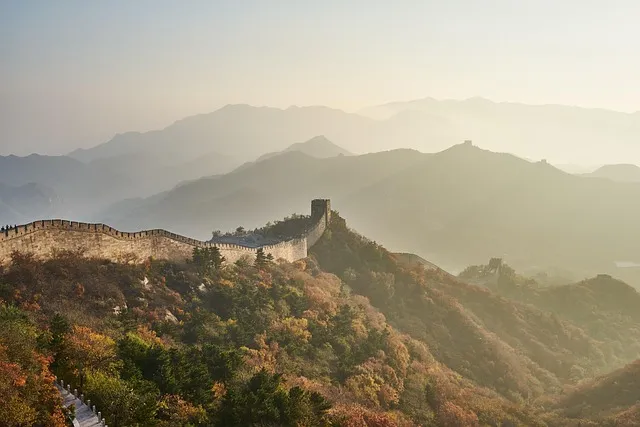
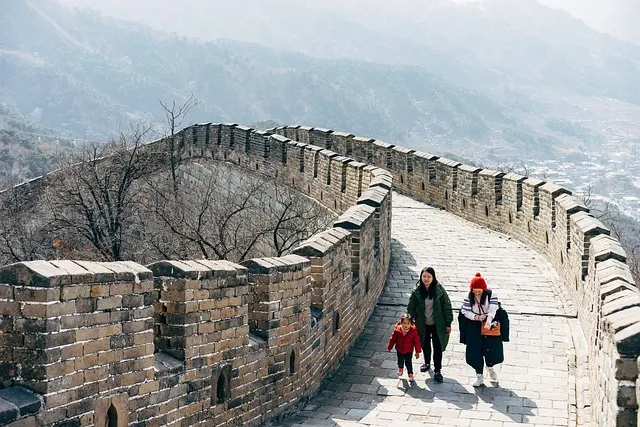
Autumn rivals spring as the prime visiting season. With comfortable temperatures between 50°F and 70°F (10°C to 21°C), low humidity, and crisp, clear skies, it’s ideal for hiking and photography. The foliage turns vibrant shades of red, orange, and yellow in October, creating a breathtaking backdrop. Crowds thin out after the October National Day holiday (first week of October), which sees massive domestic tourism—avoid this period if possible.
Pros: Excellent weather, stunning fall colors, fewer pests. Cons: Very crowded during National Day holiday (early October).
Summer (Late June to August)
Summer brings hot, humid conditions, with temperatures often exceeding 86°F (30°C) and frequent afternoon thunderstorms. While the Wall is lush and green, the heat can make hiking strenuous, especially on exposed, unrestored sections. This is also the busiest season, with large crowds of both international and domestic tourists, leading to long lines at popular sections like Badaling and Mutianyu. If you visit in summer, go early in the morning, stay hydrated, and consider less-crowded sections.
Pros: Long daylight hours, vibrant greenery. Cons: Extreme heat, high humidity, peak crowds, rainstorms.
Winter (December to February)
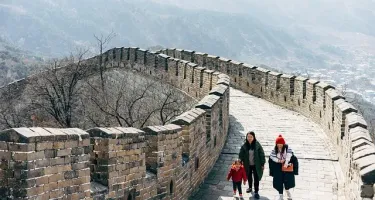
Winter is cold and dry, with temperatures often dropping below freezing and occasional snowfall. While challenging for hiking due to icy paths and limited facilities, winter offers a uniquely serene and dramatic experience with fewer tourists and snow-dusted vistas. Photographers may capture stunning snowy landscapes. Only well-restored sections like Badaling and Mutianyu are reliably accessible, as remote sections can be hazardous.
Pros: Minimal crowds, magical snowy scenery. Cons: Very cold, possible closures, limited accessibility.
Choosing the Right Section Based on Season
The Great Wall has many sections near Beijing, each with different characteristics. Your choice should align with the season and your preferences.
- Badaling: The most popular and restored section. Best visited in spring or autumn for comfortable weather. Avoid summer weekends and holidays due to overwhelming crowds.
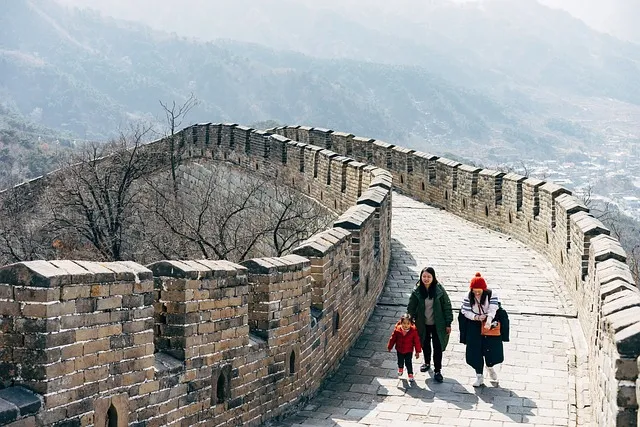
- Mutianyu: Slightly less crowded than Badaling, with cable car options. Ideal in spring and autumn for family-friendly hiking. Winter visits here are feasible with proper gear.
- Jinshanling to Simatai: A partially restored, scenic section perfect for hiking. Autumn is spectacular here for foliage. Spring is also excellent, but avoid summer heat.
- Jiankou: A rugged, unrestored section for adventurous hikers. Visit in spring or autumn for safe conditions—avoid winter and summer due to steep, slippery paths.
- Huanghuacheng: Features a lakeside setting. Spring offers blooming flowers, while autumn provides colorful reflections on the water.
Practical Tips for Visiting
To make the most of your Great Wall experience, keep these tips in mind:
- Book Tickets in Advance: For popular sections like Badaling and Mutianyu, purchase tickets online to skip long queues, especially during peak seasons.
- Start Early: Arrive at opening time (usually 7-8 AM) to avoid crowds and midday heat in summer.
- Dress Appropriately: Wear layered clothing in spring and autumn, breathable fabrics in summer, and thermal wear in winter. Sturdy hiking shoes are essential year-round.
- Stay Hydrated and Protected: Bring water, sunscreen, and a hat, as shade is limited on the Wall.
- Consider a Weekday Visit: Weekends and Chinese public holidays (e.g., National Day, Labor Day) are extremely crowded—opt for weekdays when possible.
- Hire a Guide or Join a Tour: For remote sections like Jiankou, a local guide enhances safety and historical insight.
FAQ: Common Questions About Visiting the Great Wall
What is the absolute best month to visit the Great Wall?
Mid-to-late October is often ideal, offering cool weather, clear skies, and autumn foliage with manageable crowds after the National Day holiday.
Can I visit the Great Wall in winter? Is it safe?
Yes, but stick to restored sections like Mutianyu or Badaling, which are maintained and may have fewer icy patches. Wear traction shoes and check for closures due to snow.
Which section is least crowded?
Jiankou and Gubeikou are less crowded but more challenging. For easier access with fewer tourists, consider Huanghuacheng or Jinshanling on weekdays.
How do I avoid crowds at popular sections?
Visit on weekdays, arrive right at opening, or choose shoulder seasons (April-May or September-October). Avoid Chinese public holidays entirely.
Is there a rainy season to avoid?
July and August have the highest rainfall, with sudden thunderstorms. If visiting then, bring rain gear and monitor weather forecasts closely.
Conclusion
Determining the best time to go to the Great Wall of China hinges on balancing weather, crowds, and personal interests. For most travelers, the sweet spots are spring (April to early June) and autumn (September to early November), when conditions are optimal for exploration and photography. Summer offers lush scenery but comes with heat and crowds, while winter provides a peaceful, snowy escape for the well-prepared. By selecting the right section and following practical tips—like visiting on weekdays and starting early—you can experience the majesty of this ancient wonder in comfort. Whether you’re hiking its rugged paths or marveling at its historical grandeur, planning around the seasons will ensure your visit to the Great Wall is truly unforgettable.