best time to visit the galapagos islands
The Galapagos Islands, a volcanic archipelago in the Pacific Ocean, are a once-in-a-lifetime destination for wildlife enthusiasts, adventure seekers, and nature lovers. Famous for inspiring Charles Darwin's theory of evolution, this UNESCO World Heritage site offers unparalleled encounters with unique species found nowhere else on Earth. Determining the best time to visit the Galapagos Islands depends largely on your priorities—whether you seek optimal wildlife viewing, perfect weather, calmer seas, or fewer tourists. Unlike many destinations, the Galapagos has two distinct seasons, each offering unique advantages for different types of travelers. This guide will break down the climate, wildlife activity, and travel considerations for 2024/2025 to help you plan your ideal expedition.
Understanding the Two Main Seasons: Warm & Wet vs. Cool & Dry
The Galapagos climate is governed by ocean currents, not by a typical four-season cycle. The year is divided into two primary seasons: the warm/wet season and the cool/dry season. Your experience—from what you see to how you travel—will be significantly shaped by when you go.
The Warm & Wet Season (December to May)
- Weather: This is considered the summer. Expect warm air temperatures (mid-70s to mid-80s°F), warmer water for swimming and snorkeling, and sporadic but heavy rainfall, usually in short afternoon showers. The sun is strong, and humidity is higher.
- Ocean Conditions: The sea is generally calmer, making it an excellent time for those prone to seasickness. Water temperatures are pleasant, often in the 70s°F, requiring only a light wetsuit or even just a swimsuit for snorkeling.
- Wildlife Highlights: This is the prime breeding season for many animals. You'll witness fascinating courtship rituals and see chicks and pups everywhere.
- Land Birds: This is the nesting season for iconic birds like the Galapagos dove, finches, and the waved albatross (which begins arriving in March/April on Española Island).
- Marine Life: Sea turtles begin nesting, and you can see their tracks on beaches. Green sea turtles and marine iguanas are also mating.
- Flora: The islands transform with lush, green vegetation and blooming flowers, creating stunning photographic backdrops.
The Cool & Dry Season (June to November)
- Weather: This is the garúa season, characterized by cooler air temperatures (60s to low 70s°F), overcast skies, and a persistent mist or drizzle. The strong equatorial sun is less intense.
- Ocean Conditions: This is when the nutrient-rich Humboldt Current is strongest. The water is cooler (mid-60s to low 70s°F) and choppier, requiring a 3-5mm wetsuit for comfortable snorkeling. Seas can be rougher, especially for inter-island travel.
- Wildlife Highlights: The cold, nutrient-rich water creates a plankton bloom, attracting a spectacular array of marine life.
- Marine Spectacle: This is the best time for snorkeling and diving. You have a high chance of seeing whale sharks (peak around June-July), hammerhead sharks, manta rays, and large schools of fish.
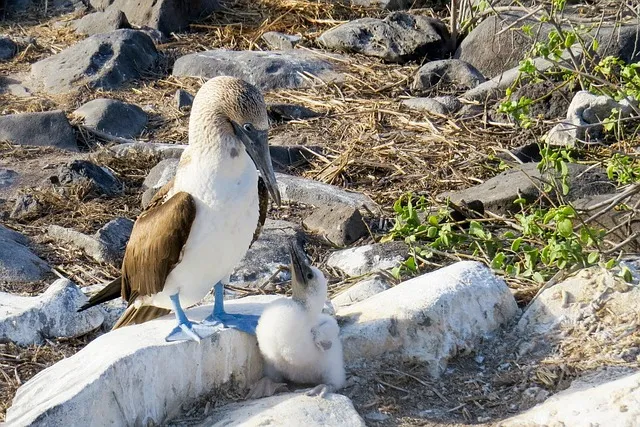
- Bird Activity: While not peak breeding, this is an active time. Blue-footed boobies perform their famous courtship dance, and Galapagos penguins are more active in the cooler water.
- Mammals: Sea lions are very playful, and fur seals are more commonly seen.
Month-by-Month Breakdown for 2024/2025
Here’s a more detailed look at what to expect throughout the year to fine-tune your decision.
- January - March: Peak of the warm season. Excellent for beach days, snorkeling in warm water, and seeing sea turtle nesting. A popular and pleasant time to visit.
- April - May: A fantastic "shoulder" period. The water is still warm, rains are less frequent, and wildlife is incredibly active (albatross arrive, booby chicks hatch). Crowds from the holiday season have thinned.
- June - August: The heart of the cool season. Prime time for dramatic marine life encounters (whale sharks!). This coincides with North American and European summer vacations, so it's busy and requires booking well in advance.
- September - November: Another excellent shoulder period. The ocean begins to calm, marine life is still abundant, and visitor numbers drop. Sea lion pups are born, and the waved albatross chicks are preparing to fledge.
- December: Transition into the warm season. A festive and popular month with a mix of weather patterns. A great time for holiday travel with family.
Practical Tips for Choosing Your Time
Beyond wildlife and weather, consider these practical factors for your 2024/2025 trip:
- Crowds & Cost: The busiest (and most expensive) periods are June-August (Northern summer) and mid-December through early January (holidays). For better deals and fewer people, target the shoulder months: April-May and September-November.
- Travel Style: If you are prone to seasickness, prioritize the calmer seas of the warm season (Dec-May). For serious divers seeking large pelagics, the cool season (Jun-Nov) is non-negotiable.
- Photography: The green landscapes and bright skies of the warm season are ideal for colorful landscape shots. The dramatic, misty skies and active wildlife of the cool season offer a different, moody aesthetic.
- Booking: Regardless of when you go, book your cruise or land-based tour at least 6-12 months in advance, especially for last-minute deals. The Galapagos has a strictly managed tourist capacity.

Frequently Asked Questions (FAQ)
Q: Is there a "bad" time to visit the Galapagos? A: Not really. The islands are a year-round destination. The "worst" time might be during peak tourist seasons if you dislike crowds, or during the roughest sea conditions if you are very susceptible to seasickness. Wildlife is always present and remarkable.
Q: What is the cheapest time to visit the Galapagos Islands? A: The best deals are typically found during the shoulder seasons (April-May and September-November) and outside of major holidays. Last-minute cruise deals can sometimes be found, but this is a risky strategy for such a popular destination.
Q: What should I pack for the Galapagos? A: Pack for adventure: quick-dry clothing, a wide-brimmed hat, strong sunscreen, a reusable water bottle, sturdy walking shoes, water shoes, and a high-quality camera. Crucially, bring a wetsuit if you have one (especially for the cool season), though they are often provided on tours.
Q: How many days do I need for a Galapagos trip? A: A minimum of 5-7 days is recommended to visit multiple islands and get a comprehensive experience. Many quality cruises are 7-8 nights, while land-based tours can be tailored to shorter or longer stays.
Q: Are the Galapagos Islands suitable for families with children? A: Absolutely! The islands are an incredible educational adventure for older children and teenagers. The warm season (Dec-May) with its calmer seas and warmer water is often recommended for families. Choose a family-oriented cruise or a land-based tour on islands like Santa Cruz or San Cristóbal for more flexibility.
Conclusion
Ultimately, the best time to visit the Galapagos Islands is when your interests align with the seasonal offerings. For warm weather, calmer seas, and vibrant breeding activity, plan your trip between December and May. If your dream is to swim alongside majestic whale sharks and experience a marine life bonanza, set your sights on the cooler months from June to November. No matter when you choose to explore this living laboratory of evolution in 2024 or 2025, you are guaranteed an awe-inspiring journey into one of the most pristine and wildlife-rich environments on the planet. Start planning early, pack your sense of wonder, and prepare for an unforgettable adventure.
Related Articles
Cover image coming soon
Best Time to Visit Thailand
Discover the best time for visit thailand. Complete guide with expert tips and data-driven insights.

best places to visit in usa for first time

best time to visit walt disney world in florida
when is the best time to go to costa rica

best time to visit redwood national park
