best time to visit redwood national park
Standing beneath the ancient, towering coast redwoods is a humbling and unforgettable experience. Redwood National and State Parks, a complex of protected lands in northern California, is home to the tallest trees on Earth. Choosing the best time to visit Redwood National Park depends largely on your priorities: ideal weather, smaller crowds, seasonal activities, or budget considerations. While the park is a year-round destination, each season offers a distinctly different atmosphere, from the lush, foggy summers to the quiet, rainy winters.
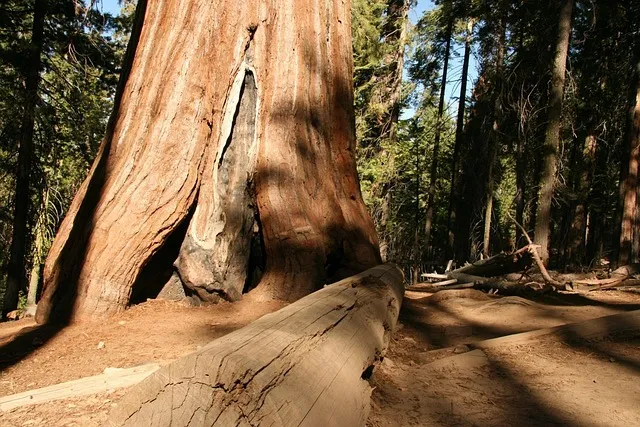
Seasonal Guide: Weather, Crowds, and Highlights
The climate in Redwood Country is mild but heavily influenced by the Pacific Ocean, leading to cool temperatures, fog, and significant rainfall, especially in the winter months. Here’s a detailed breakdown of what to expect each season.
Spring (April - June)
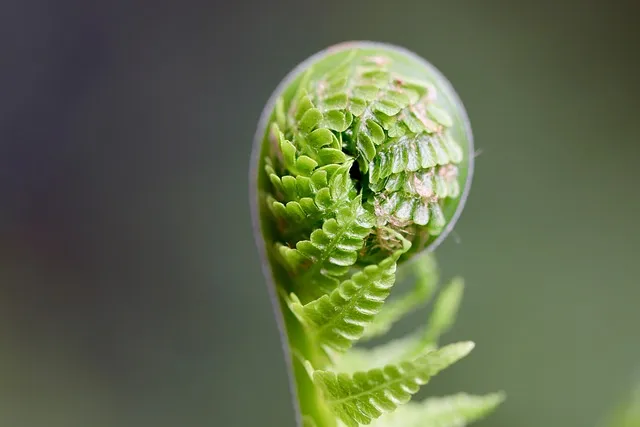
Spring is a fantastic time for a balanced visit. The winter rains begin to taper off by late April, leading to vibrant green hillsides, flourishing ferns, and spectacular wildflower displays, particularly in the prairie areas.
- Weather: Temperatures range from highs of 50-65°F (10-18°C). Mornings can be chilly and foggy, with sunny afternoons becoming more common in May and June. Rain is still possible, especially in April.
- Crowds: Crowds are moderate and increase as summer approaches. You'll find more solitude than in peak summer, especially on weekdays.
- Highlights: This is prime time for seeing banana slugs, migrating birds, and elk calves in the prairie. Streams and rivers are full from snowmelt, making waterfalls like Fern Canyon's walls exceptionally lush. Trail conditions are generally good.
Summer (July - Early September)
Summer is the peak tourist season, offering the most predictable (and driest) weather, but also the largest crowds.
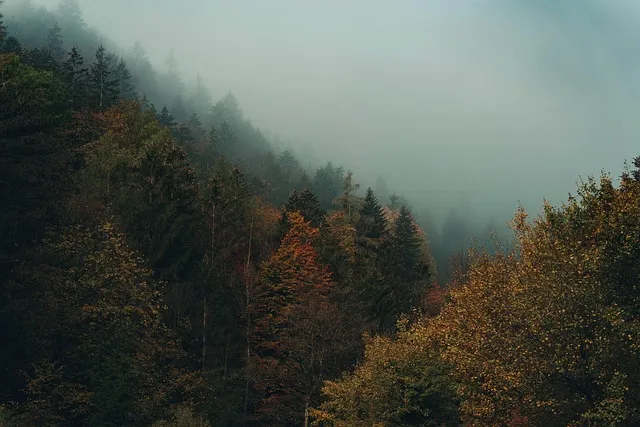
- Weather: Daytime highs are comfortable, typically 60-70°F (15-21°C) near the coast. The iconic marine layer often brings morning and evening fog, which adds a mystical atmosphere to the groves. Rain is rare.
- Crowds: Expect full parking lots at popular trailheads like Lady Bird Johnson Grove and Tall Trees Grove (which requires a free permit). Campgrounds and lodging book up months in advance.
- Highlights: All park roads, trails, and visitor centers are fully operational. This is the best time for coastal activities like exploring Gold Bluffs Beach or tidepooling. Ranger-led programs are in full swing.
Fall (Late September - November)
Many consider fall the best overall time to visit. The summer crowds dissipate after Labor Day, while pleasant weather often extends into October.
- Weather: Similar to summer, with pleasant temperatures and less persistent fog. The "Indian Summer" can bring clear, sunny days. The rainy season usually begins in late October or November.
- Crowds: Significantly lighter than summer, making for a more peaceful experience. You have a much better chance of securing first-come, first-served campsites.
- Highlights: Autumn colors appear in the big-leaf maple and dogwood trees, creating beautiful contrasts with the evergreen redwoods. It's an excellent time for photography. The Roosevelt elk are in the middle of their rut (mating season), making them more active and visible.
Winter (December - March)
Winter offers a solitary, moody, and profoundly beautiful experience for the prepared visitor.
- Weather: This is the rainy season, with December and January being the wettest months. Temperatures are cool, averaging 40-55°F (4-13°C). Snow is rare at park elevations but can occur.
- Crowds: Crowds are at their absolute lowest. You may have entire groves to yourself.
- Highlights: The forests are at their most vibrant, emerald green, with rushing creeks and waterfalls. Storm watching on the coast can be dramatic. This is also the best time for budget travelers, with lower lodging rates. Note: Some secondary roads may close due to weather, and trails can be muddy.
Practical Tips for Planning Your Visit
Beyond the season, a few key tips will ensure you have a great trip regardless of when you go.
- Book Accommodations Early: For summer visits, reserve campgrounds or lodging in gateway towns like Crescent City, Klamath, or Trinidad 6-12 months in advance. For other seasons, a few months ahead is wise.
- Dress in Layers: The weather can change rapidly. Always have a waterproof/windproof jacket, even in summer. Sturdy, waterproof hiking boots are essential for muddy trails.
- Check Park Conditions: Before you go, visit the official National Park Service website for alerts on road closures, trail conditions, and fire restrictions.
- Obtain Permits: Access to the Tall Trees Grove requires a free, vehicle-specific permit available online or at visitor centers. The daily number is limited, so plan ahead.
- Embrace the Fog and Rain: These elements are part of the ecosystem's magic. They create the damp, cool environment that the redwoods need to thrive. Come prepared, and you'll witness the forest at its most authentic.
Frequently Asked Questions (FAQ)
What is the absolute best month to visit Redwood National Park? For the ideal combination of good weather, manageable crowds, and park accessibility, late September or October is often considered the sweet spot.
Is it worth visiting in the rainy winter? Yes, if you are prepared with proper gear. The crowds vanish, the forest is intensely green and dramatic, and you'll experience the redwoods in the conditions that sustain them. Just be flexible and check for road closures.
Which part of the park is best to visit? The park is spread out. For first-timers, the Lady Bird Johnson Grove offers an easy, iconic introduction. Prairie Creek Redwoods State Park (part of the complex) features the famous Fern Canyon and abundant elk. For coastal views, don't miss the Klamath River Overlook or Enderts Beach.
How many days do I need? A minimum of 2-3 full days allows you to experience several different groves, a scenic drive like Newton B. Drury Parkway, and a portion of the coastline.
Are the parks dog-friendly? Pets are very restricted to protect wildlife. They are only allowed in developed areas like campgrounds, picnic areas, and certain beaches, but not on any trails. Always check current regulations.
Conclusion
Determining the best time to visit Redwood National Park is a personal choice. Summer delivers reliable weather and full access amid bigger crowds. Spring and Fall strike a wonderful balance with mild conditions and fewer visitors. Winter offers a raw, solitary adventure for those seeking quiet contemplation. Whenever you choose to go, you will be walking among living giants in one of the planet's most awe-inspiring landscapes. Plan according to your preferences, pack your layers, and prepare to look up in wonder.
Related Articles
Cover image coming soon
Best Time to Visit Thailand
Discover the best time for visit thailand. Complete guide with expert tips and data-driven insights.

best places to visit in usa for first time

best time to visit walt disney world in florida
when is the best time to go to costa rica

best time to visit the galapagos islands
