best time to visit sanibel island for shells
For beachcombers and nature lovers, Sanibel Island isn't just a destination; it's a world-renowned treasure hunt. Famous for its unique east-west orientation and gentle slope, the island acts like a giant scoop, collecting a breathtaking array of seashells from the Gulf of Mexico. But to maximize your haul, timing is everything. The best time to visit Sanibel Island for shells is during the winter months, from late fall through early spring (November to April), with the absolute peak shelling occurring after storms, during low tide, and especially at dawn. This guide will break down the perfect conditions, seasonal patterns, and pro tips to transform your visit into the ultimate shelling adventure.
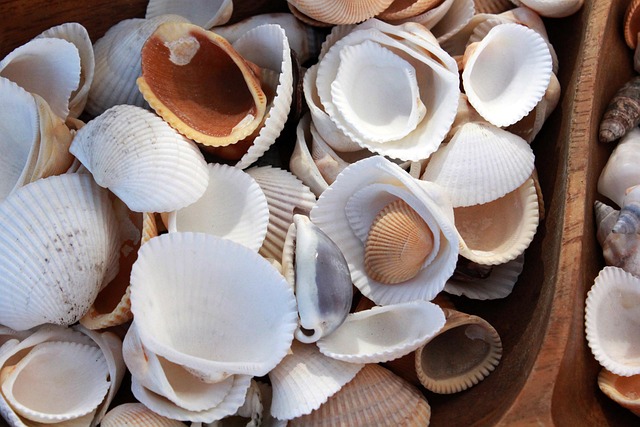
Why Timing is Everything: The Science of Sanibel Shelling
Sanibel’s shelling supremacy isn’t an accident—it’s geography. The island’s curved shape lies perpendicular to the typical southwesterly flow of the Gulf’s currents. This acts as a natural net, catching shells from as far away as the Caribbean. The shells you find are delivered by waves, tides, and weather patterns, making certain conditions far more fruitful than others.
The Prime Seasons for Shelling
While you can find shells year-round, your chances of a spectacular find increase dramatically during specific windows.
-
Peak Season: Winter (November - April) This is universally agreed upon as the best time for shelling. Several key factors converge:
- Weather Patterns: Prevailing cold fronts and northwestern winds churn the Gulf of Mexico, bringing deeper water shells—like the coveted Junonia, Scotch Bonnet, and Lion’s Paw—closer to shore.
- Lower Tourist Volume (Post-Holidays): While December is busy, January through April sees fewer crowds on the beach at dawn, meaning less competition and undisturbed shell beds.
- Migratory Bird Coincidence: This is also a fantastic time for birdwatching, making for a perfect dual-purpose nature trip.
-
Shoulder Season: Late Fall & Late Spring (May, October) These months offer a wonderful balance. The water is warmer, summer crowds haven’t fully arrived or have just departed, and the weather is still active enough to produce good shelling, especially after spring storms or early fall cold fronts.
-
Off-Peak: Summer (June - September) Summer shelling is more about quantity and variety of common shells rather than rare finds. The Gulf is calmer, so fewer deep-water specimens wash up. However, this is the best time for finding sand dollars and lightning whelks. The major caveat is the heat, humidity, and potential for hurricanes. The key is to shell very early in the morning to avoid the heat and afternoon thunderstorms.
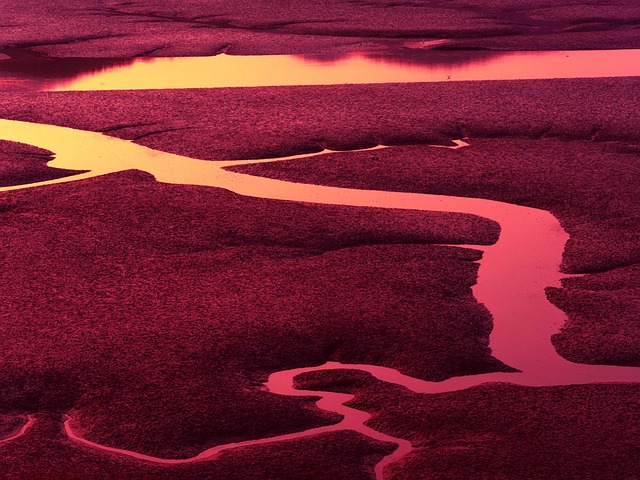
The Critical Daily Factors: Tide, Time, and Weather
Beyond the season, your daily success hinges on three hourly conditions.
- Tide is King: Always shell during a falling or low tide. This is non-negotiable. A low tide exposes vast stretches of sandbars and the "wrack line" (the line of debris left by the high tide), which is where shells congregate. Check local tide charts; the hour before and after low tide is golden.
- Dawn Patrol is Best: The early bird gets the… Junonia? Shelling at sunrise is ideal. The beach is undisturbed by other visitors, the light is perfect for spotting shells, and it’s often coupled with a low tide. This is called the "sunrise shelling" tradition.
- Post-Storm Bonanzas: The single best time to find rare shells is 24-48 hours after a storm, especially a winter cold front or a tropical storm (that has safely passed). The increased wave action and turbulent water pulls incredible treasures from the sea floor and deposits them on the beach. Safety first—never shell during a storm.
Top Shelling Spots on Sanibel Island
While shells can be found everywhere, some beaches are legendary:
- Bowman’s Beach: Often considered the best for variety and rarity due to its more remote location and lack of high-rise buildings.
- Turner Beach (at Blind Pass): The currents around this pass between Sanibel and Captiva Islands are powerful and often deposit unique shells.
- Lighthouse Beach/Park: Excellent for shelling, especially along the eastern point near the historic lighthouse. Great for observing the "Sanibel Stoop."
The Responsible Sheller's Code
Sanibel’s ecosystem is delicate. Please follow these essential rules:
- Only take empty shells. Live shellfish and creatures in occupied shells are crucial to the marine environment. It’s also illegal to take live shells.
- Use a mesh bag. This allows sand and tiny organisms to escape as you walk.
- Avoid protected areas. Respect all signage for bird nesting or dune restoration zones.
- Practice the "Sanibel Stoop" safely. Bend at the knees, not the waist, to save your back!
Frequently Asked Questions (FAQ)
Q: What is the single best month to find a Junonia shell? A: While a Junonia find is always a matter of luck, your odds are highest in the winter months (December-February) after a strong northwestern storm or cold front has passed. Remember, they are rare; enjoy the hunt for all shells, not just one.
Q: Can I find good shells in the summer? A: Yes, but adjust your expectations. You’ll find abundant common shells like coquinas, scallops, and olive shells. Summer is prime time for intact sand dollars and lightning whelks. Shell at dawn to beat the heat.
Q: Do I need any special tools for shelling? A: A simple mesh bag or bucket is perfect. Some enthusiasts use a "shell scoop" or a small rake to gently sift through the sand in the shallow water. Sturdy water shoes are also recommended to protect your feet.
Q: Is there a shelling forecast or report? A: While not an exact forecast, the Bailey-Matthews National Shell Museum on Sanibel provides invaluable information and often has insights on current shelling conditions. Local fishing and shelling shops are also great resources.
Q: Are there shelling tours or guides? A: Absolutely. Several local guides offer early morning shelling tours, which can be especially helpful for beginners. They know the best spots for the conditions and can help with identification.
Conclusion
The pursuit of the perfect shell on Sanibel Island is a magical experience that connects you with the rhythms of nature. By planning your visit for the winter months, timing your beach walks for the early morning low tide, and keeping an eye on the weather after a storm, you set the stage for an unforgettable shelling journey. Whether you’re hoping for a rare Junonia or simply want to fill a bag with beautiful, common treasures, understanding the best time to visit Sanibel Island for shells is the first step. Pack your mesh bag, practice your stoop, and get ready to discover the Gulf’s gifts on one of the world’s greatest shelling shores. Happy hunting
Related Articles
best time to visit sleepy hollow ny
best time to visit skyline drive

best time to visit new york city at christmas
best time to visit newport
best time to visit natchez trace parkway