best time to visit tahiti french polynesia
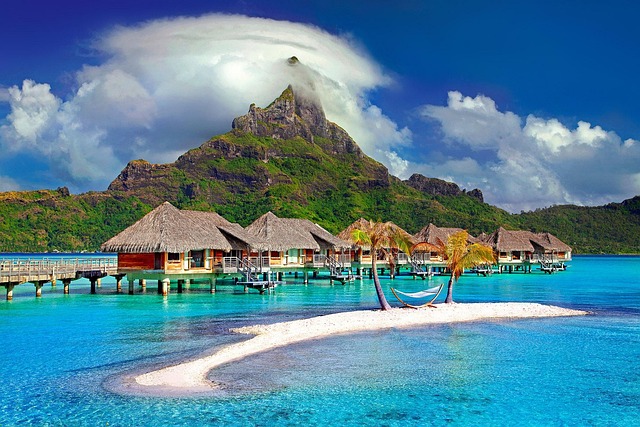
Dreaming of overwater bungalows, turquoise lagoons, and lush volcanic peaks? Determining the best time to visit Tahiti and French Polynesia is the first step in planning your perfect South Pacific escape. This stunning archipelago, comprising 118 islands, enjoys a warm tropical climate year-round, but subtle seasonal shifts in weather, pricing, and crowds can significantly impact your experience. Whether you're seeking sunny skies for snorkeling, hoping to avoid the rainy season, or looking for the best travel deals, this guide will help you pinpoint the ideal time for your journey to paradise.
Understanding Tahiti's Seasons: Dry vs. Wet
French Polynesia has two primary seasons, driven by trade winds and ocean temperatures. Your choice between them depends largely on your priorities for weather, activities, and budget.
The Dry Season (May to October): Austral Winter
This period is widely considered the best overall time to visit for most travelers. Often called the "high season," it features less humidity, lower rainfall, and pleasantly warm temperatures.
- Weather: Days are typically sunny and warm, with average temperatures ranging from 75°F to 80°F (24°C to 27°C). The southeast trade winds (maraamu) provide a refreshing breeze, making exploration and hiking more comfortable. Rainfall is less frequent and showers are usually brief.
- Pros:
- Ideal conditions for all outdoor activities: snorkeling, diving, sailing, and hiking.
- Excellent underwater visibility for divers and snorkelers.
- Minimal risk of tropical storms.
- Cons:
- Peak tourist season, meaning more crowds at popular sites and resorts.
- The highest prices for flights and accommodations.
- Requires booking accommodations and tours well in advance.
The Wet Season (November to April): Austral Summer
This is the warmer, more humid, and rainier period. While it's considered the "low season" or "green season," it has its own unique advantages for the right traveler.
- Weather: Temperatures are warmer, averaging 80°F to 90°F (27°C to 32°C), with higher humidity. Afternoon rain showers are common and can be heavy, but they often pass quickly. This season also coincides with the risk of tropical cyclones, though they are relatively rare in French Polynesia.
- Pros:
- Lush, vibrant, and green landscapes across all islands.
- Significantly lower prices on flights and luxury resorts.
- Fewer tourists, offering a more serene and authentic experience.
- Warmer ocean temperatures for swimming.
- Cons:
- Higher chance of rain disrupting outdoor plans.
- Higher humidity levels.
- Slightly reduced visibility for diving due to plankton blooms.
)
Month-by-Month Breakdown for 2024/2025
Here’s a closer look at what to expect throughout the year to fine-tune your travel dates.
- May, June, July & August (Prime Dry Season): These are the most popular months. Expect perfect, postcard weather, especially in July for the Heiva i Tahiti festival—a spectacular month-long celebration of Polynesian culture with dance, music, and sports. This is the busiest and most expensive time.
- September & October (Shoulder Season): A fantastic sweet spot. The dry season weather holds, but the peak summer crowds begin to thin. Prices may start to decrease slightly in October. Water temperatures are delightful.
- November & December (Early Wet Season): The transition into the wet season begins. You can find good travel deals, especially early in November. December sees an increase in rainfall and the start of the holiday travel surge, which drives prices back up.
- January & February (Peak Wet Season): The hottest, wettest, and most humid months. This is the true low season with the highest rainfall and potential for cyclones, but also the lowest resort rates. Ideal for budget-conscious travelers who don’t mind sporadic rain.
- March & April (Late Wet Season): Rainfall begins to taper off, and the landscape is incredibly lush. A great value period with warming weather and fewer rainshowers than January-February. A wonderful time for photographers.
Key Factors to Consider When Choosing Your Dates
Beyond just weather, align your travel with your personal goals.
- For Diving & Snorkeling Enthusiasts: The dry season (May-Oct) offers the clearest water. However, the wet season brings warmer water and the chance to see manta rays (Aug-Oct in certain atolls) and whale sharks.
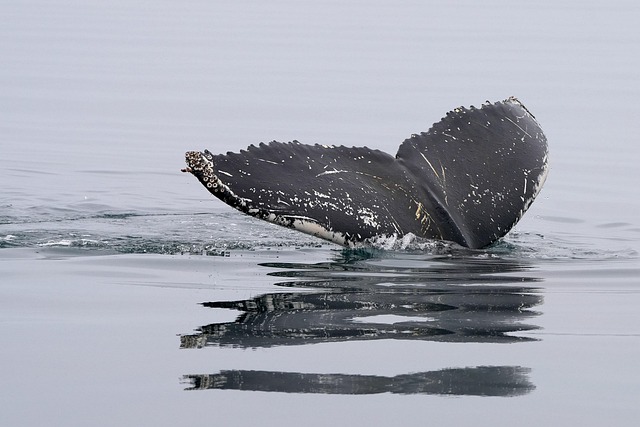
- For Humpback Whale Watching: Plan your trip between July and October. This is when thousands of humpback whales migrate to the warm Polynesian waters to breed and give birth. Mo'orea and Rurutu are particularly famous for whale-watching tours.
- For Cultural Experiences: Time your visit with Heiva i Tahiti in July. For a quieter cultural immersion, visit during the shoulder seasons and seek out local marae (ancient temples) and markets.
- For Budget Travelers: The wet season (Nov-Apr, excluding holidays) offers the most significant savings. Be flexible with your plans to work around occasional rain.
- For Honeymooners & Luxury Seekers: The dry season guarantees sunny skies for those dreamy overwater bungalow photos. For a balance of good weather and slightly better value, target the shoulder months of May or October.
Frequently Asked Questions (FAQ)
Q: What is the absolute worst time to visit Tahiti? A: There's no "worst" time, as the islands are beautiful year-round. However, travelers who prioritize guaranteed dry, sunny weather may want to avoid the peak of the wet season in January and February due to higher chances of prolonged rain and humidity.
Q: Is French Polynesia affected by hurricanes? A: The region can be affected by tropical cyclones, but the risk is statistically low compared to other Pacific areas. The official cyclone season runs from November to April, with the highest risk typically from January to March.
Q: How far in advance should I book my trip? A: For travel during the dry season (May-Oct) or around major holidays, book 6 to 12 months in advance, especially for popular overwater bungalows. For the wet season, 3-6 months is usually sufficient.
Q: Is it worth visiting during the rainy season? A: Absolutely, if you are budget-conscious and flexible. Rain showers are often intense but brief, followed by sunshine. The islands are stunningly green, and you'll enjoy fewer crowds and lower prices.
Q: What should I pack? A: Regardless of the season, pack lightweight, breathable clothing, a swimsuit, reef-safe sunscreen, a hat, insect repellent, and a waterproof jacket or poncho. For the dry season, a light sweater for breezy evenings is advisable.
Conclusion
The best time to visit Tahiti and French Polynesia ultimately depends on what you value most. For guaranteed sunshine, bustling festivals, and perfect conditions for water sports, aim for the dry season from May to October. If you seek the best value, lush scenery, and don’t mind a passing tropical shower, the wet season from November to April offers a more intimate and affordable slice of paradise. For the ideal balance of good weather, manageable crowds, and reasonable prices, target the shoulder months of May, September, or October. Whenever you choose to go, the timeless beauty, rich culture, and incredible warmth of the Polynesian people will make your visit unforgettable. Start planning your dream trip to these legendary islands today.
Related Articles

best time to post instagram on wednesday
best time to post on instagram on sunday

best time to post on instagram on tuesday

best time to post on instagram on wednesday

best time to post on instagram wednesday