iceland best time to visit for northern lights
Chasing the ethereal dance of the Aurora Borealis is a top reason travelers venture to the Land of Fire and Ice. Determining the best time to visit Iceland for the Northern Lights is the crucial first step in turning this celestial dream into reality. While Iceland offers stunning landscapes year-round, the magical green, purple, and pink curtains of light have a specific season and require perfect conditions. This comprehensive guide, drawing on expert knowledge and local insights, will detail the optimal windows, prime locations, and essential tips to maximize your chances of witnessing one of nature's most spectacular shows.
The Prime Northern Lights Season in Iceland
The Northern Lights, or Aurora Borealis, are a result of solar particles colliding with Earth's atmosphere, and they are only visible in high-latitude regions during specific conditions. In Iceland, the season is dictated by two key factors: darkness and clear skies.
- Core Season: The absolute best time to visit Iceland for the Northern Lights is from late September to late March. During these months, the nights are sufficiently long and dark to provide a proper canvas for the aurora.
- Peak Months: Many experts consider October through February the peak. The nights are at their longest around the winter solstice (December 21st), offering a 16-20 hour window of darkness each night, which maximizes your opportunities.
- Shoulder Months: September and March are excellent shoulder-season choices. You'll still have dark nights (increasingly so in late September and early March) and may enjoy slightly milder weather, fewer tourists, and the chance to combine your aurora hunt with other activities like hiking before winter fully sets in.
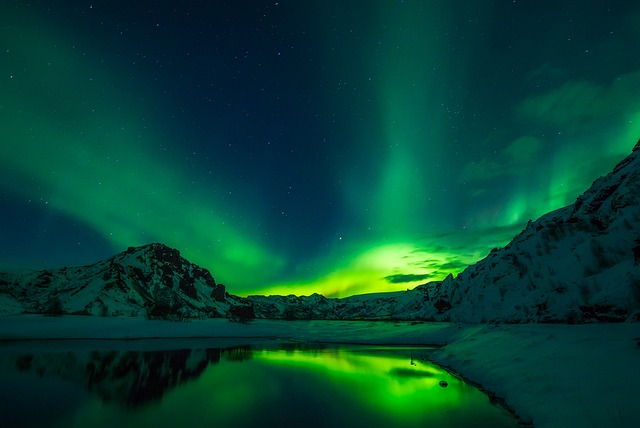
Important Note: The Northern Lights are a natural phenomenon and can never be guaranteed. Even during peak season, sightings depend on solar activity (measured by the KP index) and local weather conditions.
Why Winter is Ideal: Beyond Just Darkness
While darkness is non-negotiable, the winter months offer the complete package for an aurora-focused trip.
- Maximum Darkness: From November to January, you have the highest probability of clear, dark skies necessary for viewing.
- Solar Activity: Historical data suggests that solar storms, which trigger stronger auroral displays, can be more frequent around the equinoxes (September and March).
- Winter Atmosphere: A dusting of snow on the ground reflects light and enhances the landscape, making the aurora appear even more brilliant. Frozen lakes and waterfalls create stunning foregrounds for your photographs.
Monthly Breakdown: Pros and Cons
Here’s a closer look at what to expect throughout the season:
- September & March: Milder temperatures, potential for aurora combined with autumn colors or early spring thaw. Road conditions are generally better. However, nights are shorter, especially at the beginning of September and end of March.
- October & February: An excellent balance. Long, dark nights, strong auroral potential, and often more stable weather patterns than deep winter. Popular for a reason.
- November, December, January: The heart of darkness. The longest nights provide the widest viewing window. This is the time for dedicated aurora hunting, cozy cabin stays, and experiencing Iceland's deep winter magic. Be prepared for the coldest temperatures, potential storms, and challenging driving conditions.
How to Maximize Your Chances of Seeing the Lights
Knowing the best time is only half the battle. Success requires planning and flexibility.
- Check the Forecasts: Use two key tools:
- Aurora Forecast (KP Index): Websites like the Icelandic Meteorological Office (vedur.is) provide a 3-day aurora forecast. A KP index of 3 or higher is typically needed for good visibility in Iceland.
- Cloud Cover Forecast: Clear skies are essential. Use the same meteorological site to check cloud cover maps. You may need to drive away from clouded areas.
- Get Away from Light Pollution: Leave Reykjavík or other towns for optimal viewing. Even small amounts of light can wash out the aurora.
- Be Patient and Flexible: The lights often appear between 9 PM and 2 AM, but they can come and go. Plan to spend several hours outside. Have a flexible itinerary so you can chase clear skies across different regions.
- Book a Guided Tour: Especially for first-time visitors, a guided Northern Lights tour is highly recommended. Expert guides know the best spots, monitor forecasts in real-time, and will drive you to locations with the highest likelihood of sightings, often offering a second chance if the lights don't appear on your first night.
- Dress for Success: You will be standing still in the cold Icelandic winter for extended periods. Wear thermal layers, a windproof and waterproof outer shell, insulated gloves, a warm hat, and sturdy, insulated boots. Hand and foot warmers are a great addition.
Top Regions in Iceland for Aurora Viewing
While the lights can be seen anywhere in the country on a clear, active night, some regions are famed for their dark skies and dramatic backdrops.
- The Golden Circle & South Coast: Convenient from Reykjavík. Look for spots near Þingvellir National Park or the black sand beach of Reynisfjara.
- The Snæfellsnes Peninsula: Often called "Iceland in Miniature," it offers diverse landscapes like Kirkjufell mountain, a iconic aurora photo spot.
- The Westfjords: Remote and sparsely populated, meaning exceptionally dark skies. A fantastic choice for dedicated hunters.
- Lake Mývatn & North Iceland: Offers stunning locations like Goðafoss waterfall and the geothermal area around the lake. The north can have clearer weather than the south when storms roll in.
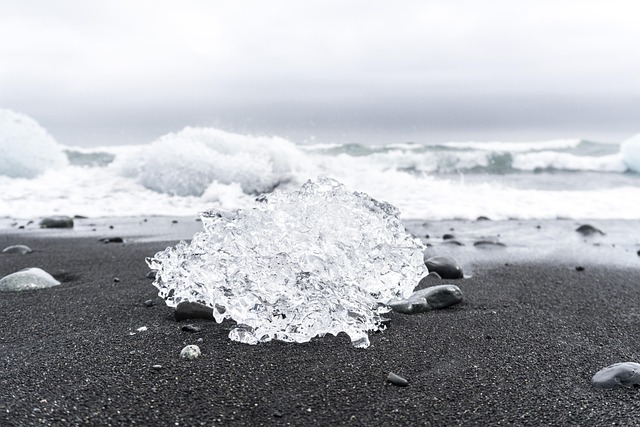
- The Jökulsárlón Glacier Lagoon: Seeing the aurora reflect off the icebergs in the lagoon is a truly unforgettable experience.
Frequently Asked Questions (FAQ)
Can you see the Northern Lights in Iceland in summer (June, July, August)? No. Due to the Midnight Sun, it never gets dark enough in Iceland's summer months to see the aurora. The season effectively runs from late August to mid-April.
Is it better to go in December or February for the Northern Lights? Both are excellent. December has the longest nights and festive Christmas atmosphere. February still has very long nights, often has more stable weather than the storm-prone December/January period, and sees slightly increasing daylight for other activities.
How many nights should I plan to see the Northern Lights? To statistically maximize your chances, plan a minimum of 5-7 nights in Iceland during the season. This gives you multiple opportunities to overcome potential cloudy nights.
Do I need a professional camera to see them? No, you can see them with your naked eye. However, cameras with long-exposure capabilities can capture more vivid colors and detail than the human eye often perceives, especially during weaker displays.
Are there any apps to help? Yes, apps like "Aurora Forecast" and "My Aurora Forecast & Alerts" provide real-time KP index data and alerts, which can be very useful.
Conclusion
The best time to visit Iceland for the Northern Lights is unequivocally the dark winter months, with the peak season running from October through February. By targeting this window, prioritizing locations away from light pollution, diligently monitoring aurora and weather forecasts, and packing your patience along with your warmest clothes, you dramatically increase your odds of a successful hunt. Remember, the aurora is a magnificent bonus to an already incredible destination. Even if the lights are shy during your visit, Iceland's winter landscapes—from ice caves to steaming geothermal pools—are sure to leave you in awe. Plan your adventure between late September and late March, come prepared, and look up—you might just witness the sky come alive.
Related Articles

best time to post instagram on wednesday
best time to post on instagram on sunday

best time to post on instagram on tuesday

best time to post on instagram on wednesday

best time to post on instagram wednesday