when is it the best time to travel to hawaii
Deciding when is the best time to travel to Hawaii is a delightful dilemma. With its year-round warm weather, stunning landscapes, and rich culture, the Hawaiian Islands are a perennial paradise. However, the "best" time truly depends on what you're seeking: the driest weather, the fewest crowds, the best surf, or the most affordable deals. This guide breaks down Hawaii's seasons, events, and regional nuances to help you plan your perfect 2024 or 2025 getaway.
Understanding Hawaii's Seasons: It's More Than Just Summer and Winter
Unlike many destinations, Hawaii doesn't have a stark four-season cycle. Instead, its climate is defined by two main seasons: the dry season (kau) and the rainy season (hoʻoilo). Temperatures remain relatively consistent, with coastal averages between 75°F and 85°F (24°C-29°C).
- Dry Season (April to October): This period offers the most predictable sunshine, with less humidity and minimal rain, especially on the leeward (south and west) sides of the islands. It's ideal for beach days, hiking, and outdoor activities.
- Rainy Season (November to March): Expect more frequent, though often brief, passing showers. The windward (north and east) sides see more rain, which fuels the iconic lush, green landscapes and dramatic waterfalls. This is also when surf on the north shores reaches its legendary peaks.
The Best Time for Your Priorities
For Perfect Weather: April, May, September, and October
These "shoulder months" hit the sweet spot. You'll enjoy dry season conditions with plenty of sun, but without the peak summer crowds or prices. September and October, in particular, are often the sunniest and driest months of the year.
For Fewer Crowds and Better Value: April-May and September-October
Avoiding major holidays and school breaks is key. The periods just after spring break (late April-May) and just after summer (September-October) see a significant drop in tourist numbers. You'll find more availability for accommodations, tours, and restaurants, often at lower prices.
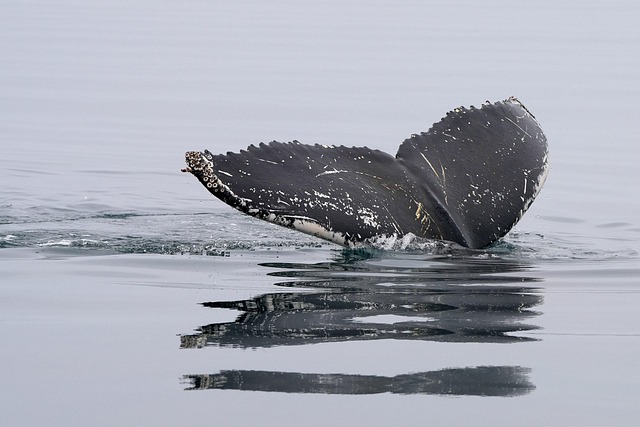
For Whale Watching: December to April
Humpback whales make their annual journey to Hawaii's warm waters to breed and give birth. Peak viewing is typically January through March. Taking a whale-watching cruise off the coasts of Maui, Oʻahu, or Kauaʻi during this time is an unforgettable experience.
For Big Wave Surfing: November to February
Professional surfers and spectators flock to the North Shores of Oʻahu and Maui during the winter months when Pacific storms generate massive, legendary waves. Events like the Vans Triple Crown of Surfing (November-December) are world-famous. Note: Swimming on north shores during this time is extremely dangerous for all but expert surfers.
For Cultural Experiences and Festivals: Year-Round
Hawaii's event calendar is packed. Key highlights include:
- Merrie Monarch Festival (April): The world's premier hula competition in Hilo, Hawaiʻi Island (requires planning far in advance).
- King Kamehameha Day Celebrations (June): Statewide festivities with parades and floral ceremonies.
- Aloha Festivals (September): A month-long celebration of Hawaiian music, dance, and culture across the islands.
Island-by-Island Weather Considerations
While generally consistent, microclimates vary:
- Oʻahu (Honolulu): The south shore (Waikīkī) is sunny year-round. North Shore gets big winter surf and more winter rain.
- Maui: The leeward side (Kāʻanapali, Wailea) is very dry. The road to Hāna is on the wet, windward side.
- Kauaʻi: One of the wettest islands, especially at Mount Waiʻaleʻale. The sunny Poʻipū coast on the south shore is your best bet for guaranteed sun.
- Island of Hawaiʻi (The Big Island): Has 8 of the world's 13 climate zones! The Kona side is dry and sunny, while Hilo is lush and rainy. Mauna Kea and Mauna Loa can have snow in winter.
Times to Potentially Avoid
- Highest Crowds & Prices: Mid-December through early January (winter holidays), mid-March through mid-April (spring break), and June through early August (summer break).
- Potential for Disruptive Weather: Hurricane season runs from June 1 to November 30, with peak activity historically in July through September. Direct hits are rare, but the possibility of tropical storms or increased rain exists.
Practical Tips for Booking Your Trip
- Book Early: For peak seasons or popular festivals, book flights and accommodations 6-12 months in advance.
- Be Flexible: If your dates are flexible, use fare-tracking tools to find the best airfare deals, which often pop up for shoulder seasons.
- Consider All Costs: "Value seasons" may have cheaper flights and hotels, but always check for resort fees, rental car availability, and tour prices.
- Pack for Variability: Always bring a light rain jacket, reef-safe sunscreen, and layers for cooler evenings or upland areas.
Frequently Asked Questions (FAQ)
Q: Is there a bad time to visit Hawaii? A: Not really. Even the rainy season offers plenty of sunshine between showers. The "worst" time might be during peak holiday weeks if you dislike large crowds and highest prices.
Q: What is the cheapest month to fly to Hawaii? A: Historically, February (excluding Presidents' Week) and September are often the cheapest months for airfare from the U.S. mainland.
Q: Is the water warm enough to swim in the winter? A: Yes! Ocean temperatures only vary by a few degrees, from about 77°F (25°C) in winter to 82°F (28°C) in summer. Swimming on south shore beaches is pleasant year-round.
Q: How far in advance should I plan my trip? A: For a smooth trip, start planning at least 6-9 months ahead, especially if traveling during peak season or to a popular event like the Merrie Monarch Festival.
Q: Are all islands equally rainy? A: No. The Big Island's Kona coast and the leeward sides of Maui, Oʻahu, and Kauaʻi (like Poʻipū) are significantly drier than the windward sides (like Hilo or the Road to Hāna).
Conclusion
So, when is the best time to travel to Hawaii? For the ideal balance of glorious weather, manageable crowds, and good value, the shoulder months of April-May and September-October are your prime targets. Choose April for vibrant spring blooms or September for the driest conditions. Visit in winter for whale watching and epic surf culture, or in summer for the calmest ocean conditions perfect for snorkeling and diving. Whenever you choose to go, embracing the spirit of aloha and planning according to your personal travel style will ensure a magical Hawaiian vacation.
Related Articles

best time to post instagram on wednesday
best time to post on instagram on sunday

best time to post on instagram on tuesday

best time to post on instagram on wednesday

best time to post on instagram wednesday