when is the best time to vote to avoid lines
For many voters, the idea of waiting in a long, winding line at the polling place can feel like a significant barrier to participating in an election. The good news is that with a little planning and insight into typical voting patterns, you can significantly increase your chances of a quick, in-and-out experience. So, when is the best time to vote to avoid lines? While there's no single perfect time that guarantees zero wait, data and election official guidance point to clear "sweet spots" and strategies you can use to cast your ballot efficiently.
This guide breaks down the best times to vote in person, explores the factors that create long lines, and provides actionable tips to ensure your voting process is as smooth as possible.
Understanding the Rhythm of Election Day
Polling places experience predictable ebbs and flows based on common daily routines. By avoiding peak rush hours, you can sidestep the biggest crowds.
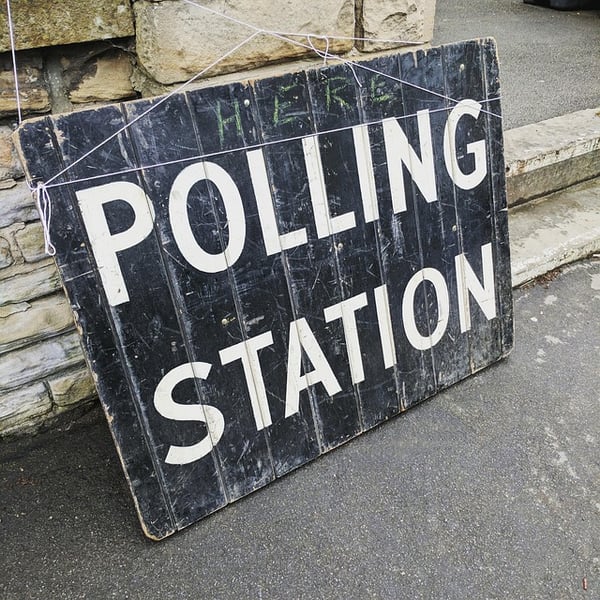
The Worst Times to Vote (Peak Hours)
Generally, you'll encounter the longest lines during these windows:
- Early Morning (6:00 AM - 9:00 AM): Many people try to vote before work, creating a morning rush right as polls open.
- Lunchtime (11:30 AM - 1:30 PM): A second surge occurs as people use their lunch break to vote.
- After Work (4:30 PM - 6:30 PM): This is often the busiest period, as the majority of voters head to the polls after their workday ends.
The Best Times to Vote (Low-Traffic Sweet Spots)
To minimize your wait, aim for these typically quieter periods:
- Late Morning (9:30 AM - 11:00 AM): The morning rush has subsided, and the lunch crowd hasn't started yet.
- Mid-Afternoon (2:00 PM - 4:00 PM): This is consistently one of the best windows. It's after lunch and well before the end-of-day rush.
- Late Evening (After 7:00 PM): If you can vote in the final hour or two before polls close, lines often dwindle dramatically. Crucial Warning: Only choose this option if you are already in line before the official closing time; in most states, you are allowed to vote if you are in line by poll closing.
Proactive Strategies to Bypass Lines Entirely
The absolute best way to avoid a polling place line is to not be at the polling place on Election Day at all. Modern voting systems offer excellent alternatives.
1. Vote Early In-Person
Most states now offer early in-person voting for a period of days or weeks before Election Day.
- Advantage: You can choose a time that fits your schedule, often including weekends. Weekday mid-mornings and afternoons during the early voting period are especially quiet.
- Action: Check your state and local election website for early voting locations and schedules.
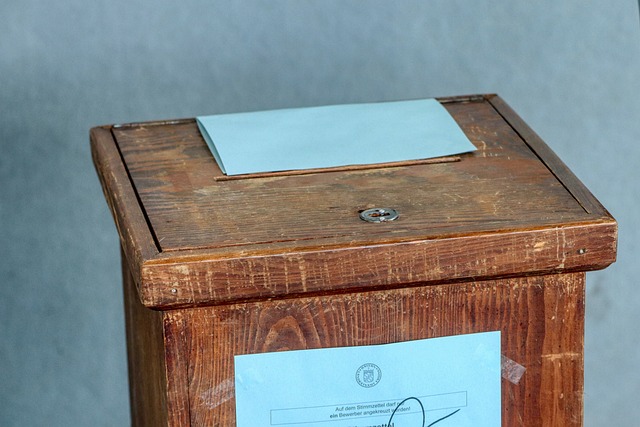
2. Vote By Mail (Absentee Voting)
In many states, any eligible voter can request a mail-in ballot without needing an excuse.
- Advantage: Vote from your kitchen table. It eliminates lines, parking hassles, and scheduling conflicts.
- Action: Request your ballot well in advance from your local election office. Once received, fill it out promptly and return it via mail or a designated secure drop box long before the deadline.
3. Be a Prepared Voter
If you do vote in person on Election Day, preparation is key to speeding up the process for yourself and others.
- Check Your Registration & Polling Place: Verify your registration status and confirm your correct polling location online. Going to the wrong place causes delays.
- Study Your Sample Ballot: Most election offices publish sample ballots ahead of time. Reviewing candidates and measures at home means you’ll spend less time in the voting booth.
- Bring Required ID: Know your state’s voter ID requirements and have the necessary documentation ready.
Factors That Influence Wait Times
Beyond the time of day, several other elements can affect how long you'll wait:
- Location: Polling places in densely populated urban areas often have longer lines than those in rural settings. Locations serving a large number of voters (like a community center) may have more resources than a small precinct in a church basement.
- Type of Election: Presidential elections see the highest turnout and longest lines. Midterm elections are typically less busy, and local/primary elections are often the quickest.
- Weather: Inclement weather can suppress turnout, potentially leading to shorter waits, or cause delays if it impacts poll worker travel.
- Ballot Complexity: Long ballots with many initiatives or local races can slow down the voting process per person.

FAQ: Avoiding Voting Lines
Q: Is it true that voting right when polls open is fast? A: Not usually. There is often a line of eager "first voters" waiting for the doors to open, creating an initial rush. The late morning is typically better.
Q: What if I can only go during peak hours? A: Come prepared! Have your ID ready and know how you plan to vote. This helps move the line faster. Also, expect a wait and bring patience—consider a book or podcast.
Q: Does early voting have shorter lines than Election Day? A: Generally, yes. Early voting spreads the electorate over more days. The busiest early voting day is often the last Saturday before the election, so try to go on a weekday if possible.
Q: How can I check wait times at my polling place? A: Some local election offices and third-party apps like Google Search may provide live wait time estimates on Election Day. You can also call your local election office for guidance.
Q: What's the single best piece of advice to avoid lines? A: Vote early, either by mail or in-person during the early voting period. This gives you maximum control and is the most reliable method for a hassle-free experience.
Conclusion
The quest to find the best time to vote to avoid lines ultimately points to two superior strategies: voting during the low-traffic mid-afternoon window on Election Day or, even better, taking advantage of early voting or vote-by-mail options. By understanding the typical election day rhythm—avoiding the before-work, lunch, and after-work rushes—you can strategically plan a quick trip. Remember, the most important thing is that you vote. A little research on your state's options and a proactive plan can turn voting from a chore into a quick and empowering civic duty. Check your local election website today to explore all the available methods and timelines for casting your ballot in 2024.
Related Articles
when are the best times to water your lawn

what is the best selling christmas song of all time

best selling christmas song of all time

when is the best time to aerate your lawn

best time to charge ev car at home illinois