when is the best time to water your lawn
A vibrant, green lawn is the pride of many homeowners, but achieving that perfect carpet of grass often comes down to one critical factor: timing your watering correctly. When is the best time to water your lawn? The unequivocal best time is in the early morning, specifically between 4 AM and 10 AM. This practice aligns with the grass's natural growth cycle and environmental conditions to maximize water absorption, promote deep root growth, and minimize waste. Watering at this time leverages cooler temperatures and calm winds, allowing water to soak deeply into the soil before the day's heat can cause excessive evaporation. This guide will explain the science behind this timing, offer practical tips for different climates and grass types, and help you develop an efficient watering routine that conserves water and nurtures a resilient lawn.
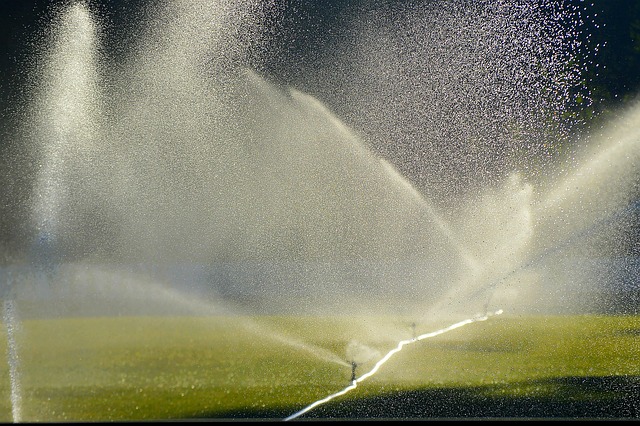
The Science Behind the "Early Morning" Rule
Understanding why early morning is optimal requires a look at plant physiology and microclimates. Grass blades absorb moisture and nutrients most efficiently when they are actively photosynthesizing, which begins at dawn.
- Reduced Evaporation: Daytime sun and heat cause significant water loss through evaporation. Morning temperatures are lower, and wind speeds are typically calmer, ensuring more water reaches the soil and roots.
- Disease Prevention: Watering in the evening leaves grass blades wet for 12+ hours overnight, creating a perfect, damp environment for fungal diseases like brown patch and dollar spot. Morning watering allows the sun to dry the blades quickly.
- Deep Root Encouragement: A slow, deep soak in the morning gives water time to penetrate 6-8 inches into the soil. This encourages roots to grow downward, seeking moisture, which creates a drought-tolerant and sturdy lawn.
- Water Pressure & Efficiency: Municipal water systems often have higher pressure in the early morning when overall demand is low. This can mean better sprinkler performance and more even coverage.
How to Water Your Lawn Effectively: Beyond Just Timing
Knowing when to water is half the battle; knowing how is the other. The goal is "deep and infrequent" watering rather than frequent, shallow sprinklings.
1. The "Inch per Week" Guideline & The Tuna Can Test
Most lawns thrive on about 1 to 1.5 inches of water per week, including rainfall. This can be split into 2-3 watering sessions. To measure your sprinkler's output, place several empty tuna cans or rain gauges around your lawn. Run your sprinklers for 15 minutes, then measure the water in each can. Average the amounts to see how long it takes to deliver 0.5 inches of water.
2. Reading Your Lawn's Signals (The "Footprint Test")
Your grass will tell you when it's thirsty. If you walk across the lawn and your footprints remain visible for several minutes (the blades don't spring back), it's a sign the grass is wilting and needs water. Blue-gray hues and folded leaf blades are other visual cues.
3. Tailoring to Grass Type & Climate
- Cool-Season Grasses (Kentucky Bluegrass, Fescue, Ryegrass): Common in the Northern U.S., these grasses need consistent moisture, especially in summer heat. They benefit most from the strict early morning schedule.
- Warm-Season Grasses (Bermuda, Zoysia, St. Augustine): Common in the Southern U.S., these are more drought-tolerant. They may require less frequent watering but still benefit immensely from morning irrigation to withstand intense heat.
- Arid & Drought-Prone Regions: Consider investing in a smart irrigation controller that adjusts watering based on local weather data. Always adhere to local water restrictions, which may dictate specific watering days.

The Pitfalls of Poor Watering Schedules
Watering at the wrong time can undermine your lawn care efforts and waste a precious resource.
- Midday Watering (10 AM - 4 PM): This is the least efficient time. As much as 30-50% of water can be lost to evaporation before it even hits the soil. It's a wasteful practice that also can scorch wet grass blades under intense sun.
- Evening/Night Watering (6 PM - 4 AM): While evaporation is low, this schedule leaves the lawn canopy wet for extended periods, dramatically increasing the risk of lawn fungus and disease. The cooler, stagnant night air provides no opportunity for grass to dry.
- Frequent, Light Watering: This encourages roots to stay near the surface, making your lawn vulnerable to heat stress, drought, and weeds. Shallow roots cannot access deeper soil nutrients.
Smart Watering Technology & Conservation Tips
Modern technology can take the guesswork out of lawn irrigation and help conserve water.
- Smart Irrigation Controllers: These Wi-Fi-enabled devices (like Rachio or Orbit B-hyve) use local weather forecasts to automatically skip watering cycles when it rains and adjust run times based on temperature and evaporation rates.
- Soil Moisture Sensors: Installed in the ground, these sensors prevent irrigation cycles if the soil already has sufficient moisture, preventing overwatering.
- Rain Barrels: Collecting rainwater for use in watering is an excellent, sustainable practice, though it may require a pump system for adequate sprinkler pressure.
- Regular Maintenance: Audit your sprinkler system seasonally. Fix clogged or misaligned heads, and ensure you're watering the lawn—not the driveway or sidewalk.
Frequently Asked Questions (FAQ)
Q: Is it ever okay to water in the afternoon? A: Only if it's an emergency. If your lawn is showing extreme heat stress (severe wilting) and you missed the morning window, a late afternoon watering is better than letting the grass suffer. However, make it a rare exception, not the rule.
Q: How long should I run my sprinklers? A: There's no universal answer. It depends on your soil type, sprinkler output, and climate. Use the "tuna can test" to determine how long it takes to apply 0.5 inches of water. Sandy soil may need shorter, more frequent cycles, while clay soil needs slower, longer soaks to prevent runoff.
Q: Should I water my lawn every day? A: Almost never. Daily, light watering promotes weak, shallow roots. A healthy lawn is better served by 2-3 deep watering sessions per week, which forces roots to grow deeper in search of moisture.
Q: What about watering new sod or seed? A: New installations are the exception to the rule. They require frequent, light watering (2-3 times a day for short periods) to keep the top inch of soil constantly moist for the first 2-3 weeks. Gradually transition to a deeper, less frequent schedule as the grass establishes.
Q: Does the season change the best time to water? A: The time of day (early morning) remains constant. However, the frequency changes. Lawns need more water in the peak heat of summer and much less in the cool spring and fall. In winter, most lawns go dormant and require little to no supplemental watering.
Conclusion
The secret to a lush, healthy, and water-efficient lawn is consistently watering at the right time and in the right way. By making early morning (4 AM - 10 AM) your standard practice, you work with nature's rhythms to hydrate your grass effectively, prevent disease, and build a resilient root system. Combine this timing with the "deep and infrequent" watering philosophy, use simple tools like rain gauges to measure output, and consider upgrading to smart technology for ultimate ease and conservation. By mastering the art and science of lawn watering, you'll not only save time and money on your water bill but also cultivate an outdoor space that is both beautiful and sustainable for years to come.
Related Articles
when are the best times to water your lawn

what is the best selling christmas song of all time

best selling christmas song of all time

when is the best time to aerate your lawn

best time to charge ev car at home illinois