Best Time to Take Blood Pressure
Discover the best time for take blood pressure. Complete guide with expert tips and data-driven insights.
For accurate and actionable home blood pressure monitoring, the best times to check are typically twice daily: once in the morning before breakfast or medication, and once in the evening before bed. Consistency in timing is crucial for tracking trends and medication effectiveness, while avoiding common "spikers" like caffeine, exercise, and stress ensures reliable readings.
Understanding the Importance of Timing for Blood Pressure Readings
Blood pressure is not a static number; it naturally fluctuates throughout the day in response to activity, stress, and your body's internal clock. Therefore, when you check it matters just as much as the reading itself. Based on common clinical practice, establishing a consistent routine is the cornerstone of effective home monitoring. This allows you to identify your personal baseline and detect meaningful patterns, rather than reacting to isolated, potentially misleading numbers.
Recommended Daily Monitoring Schedule
Initial Monitoring Phase
When you first begin tracking your blood pressure, industry guidelines suggest taking readings at various times for 5-6 days to understand your personal daily pattern. This initial data provides a comprehensive picture of how your blood pressure responds to your daily routine.
Established Routine for Ongoing Monitoring
Once a pattern is recognized, a standard protocol is to measure twice daily:
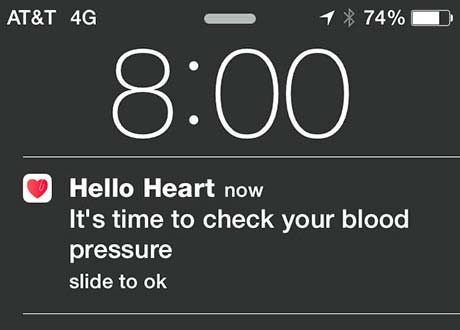
- Morning Reading: Take your blood pressure after being awake for a while but before eating breakfast, consuming caffeine, or taking morning medication. Avoid measuring immediately upon waking.
- Evening Reading: Take your blood pressure before going to bed, following a period of rest.
This consistent morning-and-evening schedule minimizes the influence of variable daily activities and creates comparable data points over time.
How Medication Timing Affects When to Check
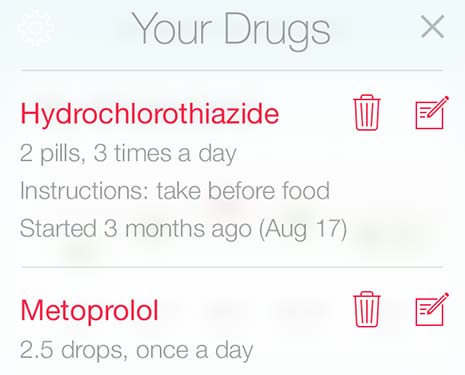
If you are on antihypertensive medication, aligning your readings with your dosing schedule is essential for assessing efficacy.
- The "Trough" Reading: The most informative reading is often taken just before your next scheduled dose. This "trough" level shows the medication's lowest point in your system and indicates how well it controls your blood pressure over a full dosing period.
- Symptom-Based Checks: If you experience symptoms such as a severe headache, dizziness, or chest palpitations, take an extra reading. This can help determine if symptoms are related to high blood pressure or, conversely, if your medication has lowered your pressure too much. Always consult a healthcare professional for severe symptoms.
Key Factors for Accurate Blood Pressure Readings
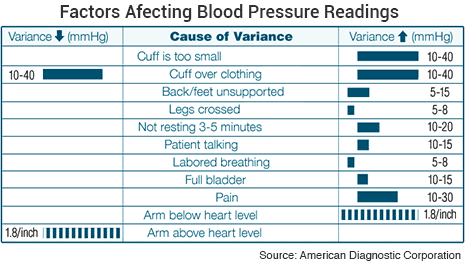
To ensure your readings are reliable, control for common factors that can temporarily elevate your numbers.
Avoiding Common Blood Pressure "Spikers"
For a true baseline reading, avoid these for at least 30 minutes prior to measurement:
- Caffeine and Tobacco: Both are stimulants that constrict blood vessels.
- Exercise: Physical activity temporarily raises blood pressure.
- Food: Digesting a meal can affect readings.
- Alcohol: Consumption can lead to unpredictable changes.
- Full Bladder: This can physically increase pressure within the body.
- Stress and Cold Temperatures: Both cause physiological stress responses.

Using Your Monitor Correctly
Accuracy depends on proper technique and equipment.
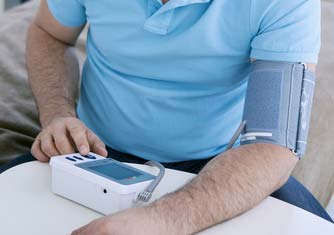
- Choose a Validated Device: Select an upper-arm cuff monitor that has been clinically validated. Taking it to your doctor's office for a comparison check is a recommended best practice.
- Assume the Correct Position: Sit quietly for 5 minutes with your back straight, feet flat on the floor, and your arm supported at heart level.
- Take Multiple Readings: Take two or three readings, about one minute apart, and record the average. Consistently use the same arm, as readings can vary between arms.
The Science Behind Daily Blood Pressure Variations
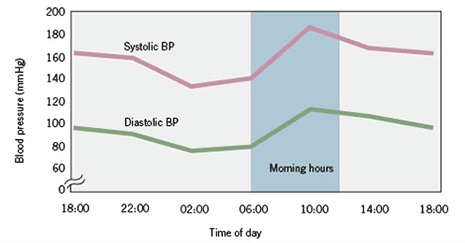
Your daily blood pressure rhythm is governed by your circadian rhythm—your body's internal 24-hour clock. In most healthy individuals, blood pressure dips naturally during sleep (nocturnal dipping). This dip is crucial for cardiovascular recovery.
A significant concern in hypertension management is "non-dipping," where this nighttime drop does not occur. Research consistently links non-dipping patterns to a higher risk of cardiovascular events like heart attack and stroke. Home monitoring, especially evening readings, helps identify this pattern.
Applying Chronobiology to Medication
The study of biological timing, known as chronobiology, informs chronotherapy—timing medications to align with the body's rhythms. Major studies indicate that taking certain blood pressure medications (particularly ACE inhibitors and ARBs) at bedtime can be more effective in restoring the normal nocturnal dip and reducing overall cardiovascular risk compared to morning dosing. However, any change to medication timing should only be made in consultation with your doctor.

Key Takeaways and Best Practices
- Establish a Routine: Check your blood pressure consistently twice daily—morning and evening.
- Sync with Medication: If medicated, check your pressure at the "trough" before your next dose to gauge true effectiveness.
- Control Your Environment: Avoid spikers like caffeine, exercise, and stress for 30 minutes before a reading for a reliable baseline.
- Use Proper Technique: Invest in a good monitor, sit correctly, rest beforehand, and take multiple readings.
- Understand Your Rhythm: Recognize that a healthy pattern includes a nighttime dip. Discuss any "non-dipping" pattern with your physician.
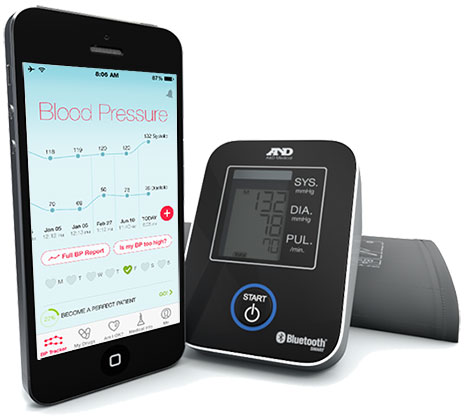
- Track Your Data: Log your readings consistently. Using a dedicated health app can simplify tracking and help you spot long-term trends.
By following these evidence-based guidelines, you transform simple number-taking into a powerful tool for managing your heart health.
Related Articles

best time to take berberine for weight loss

when is the best time to test for hormone imbalance
best time of day to take naltrexone for weight loss

best time to take wegovy to avoid nausea

Best Time to Take a Pregnancy Test
Discover the best time for take a pregnancy test. Complete guide with expert tips and data-driven insights.