Best Time to Go to Alaska
Discover the best time for go to alaska. Complete guide with expert tips and data-driven insights.
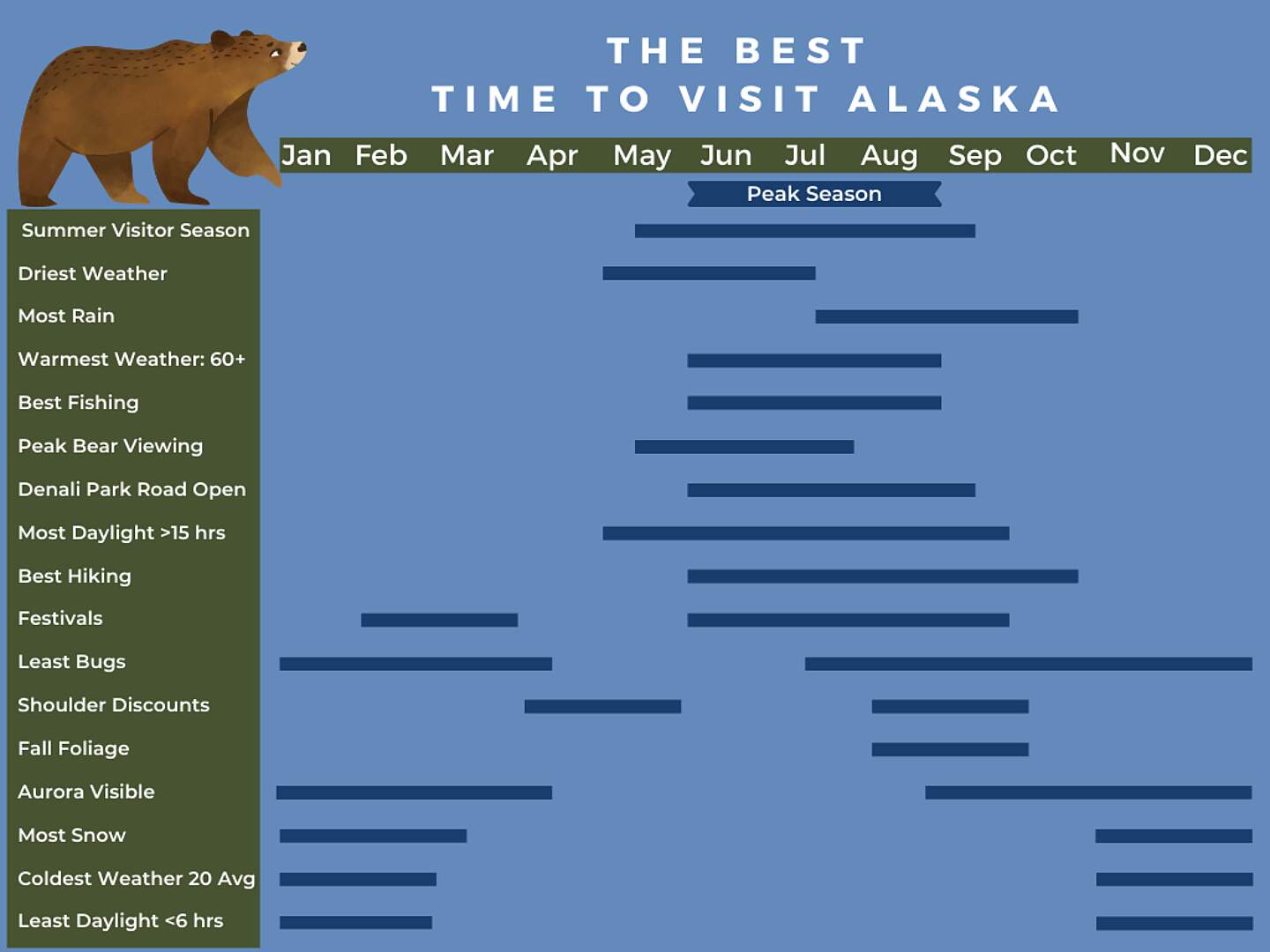
The best time to visit Alaska for the classic summer experience is between mid-June and mid-July. This peak period offers the warmest temperatures, longest daylight hours, and the most reliable access to all major activities and wildlife viewing. However, the optimal time for your trip depends entirely on your priorities—whether it's maximizing daylight, seeing the northern lights, avoiding crowds, or finding the best value.
Understanding Alaska's Travel Seasons
To plan effectively, it's helpful to think in terms of Alaska's distinct travel seasons, each with its own advantages.
Peak Season (Mid-June to Mid-August)
Industry professionals widely consider this the premier window for a first-time Alaska visit. Based on common travel patterns, this is when conditions align most favorably.
- Weather & Daylight: Daytime highs typically range from the 60s to low 70s (°F). The famous Midnight Sun is in full effect, with nearly 24 hours of daylight in late June in northern regions, allowing for exceptionally long, activity-packed days.
- Activities: All iconic summer activities are fully operational, including Denali National Park bus tours, glacier cruises, wildlife viewing tours, and fishing charters.
- Considerations: This is the most popular and therefore most crowded and expensive time. Advance bookings for tours, lodging, and rental cars are essential.
Shoulder Seasons (May & September)
These months on either side of peak summer offer a compelling balance of value and experience, favored by savvy travelers.
- Advantages: You can expect discounts of 10-25% on hotels and some tours. Crowds are significantly thinner, and mosquitoes are less prevalent. May is statistically one of the driest months.
- May (Late Spring): Landscapes turn green, wildlife becomes active, and most summer tours begin operations by mid-month. Temperatures are cooler, averaging 5-10 degrees below peak summer highs.
- September (Early Fall): Features stunning fall foliage, especially in the tundra, and the return of dark skies enables northern lights viewing by mid-month. Weather becomes more variable and cooler, with a higher chance of rain.
Cruise Season (May through September)
The large-ship cruise season aligns with the summer months, while small-ship expedition cruises can begin as early as mid-April, offering unique shoulder-season perspectives.
Aurora Season (Late August to Early April)
For a dedicated northern lights trip, the best time is during winter, particularly February and March. These months combine reliably dark nights with longer daytime hours and optimal snow conditions for winter sports like dog sledding and snowmobiling. Fairbanks is consistently noted as the premier viewing area due to its location under the "Auroral Oval."
Key Summer Trip Planning Factors
Beyond just dates, several environmental factors will shape your experience.
Weather and Daylight Patterns
Summer temperatures are mild, with cool nights dipping into the 40s and 50s °F. Rainfall likelihood increases as summer progresses, from about a 25% chance on any given day in May to 50% by September. The long daylight hours—peaking at the summer solstice on June 21—are a defining feature, enabling unique experiences like hiking or golfing at midnight.
Wildlife Viewing Calendar
- Bears: Fly-in bear viewing trips begin in May but reach their peak in July during salmon runs.
- Whales: Humpback whales are prevalent from May to September. Gray whales migrate through in March and April, while orcas can be seen year-round in certain areas.
- General Wildlife: Moose, caribou, and other land animals are most active and visible throughout the summer months.
Activity-Specific Timing
- Hiking: Lower-elevation trails near Anchorage are usually snow-free by May, with higher alpine trails clearing by early June. In Arctic regions, wait until late June for best trail conditions.
- Fishing: Excellent fishing opportunities exist all summer, with different species running from May through September.
- Insects: Mosquitoes are most active from early June through early August. Planning hikes for breezy areas or using a reliable repellent are standard practices for managing this.
A Month-by-Month Guide to Alaska Beyond Summer
For trips outside the summer window, here’s what you can expect throughout the year.
- October: A transitional month. Early October can still feel like fall, but winter sets in quickly. Not ideal for summer activities.
- November: Increasingly dark and cold, often with limited snow for winter sports until late month. Primarily for aurora viewing without a focus on other excursions.
- December: Very short days but festive atmospheres. Excellent for early-season winter sports and aurora viewing due to long, dark nights.
- January & February: The heart of winter. Cold, with growing daylight. Ideal for dedicated winter sports, aurora viewing, and experiencing local winter festivals.
- March: Arguably the best winter month to visit. Days are longer and warmer, snow conditions are prime, and the iconic Iditarod sled dog race begins.
- April: A challenging shoulder month. Too late for reliable winter sports, too early for most summer activities. Highlights include late-season aurora viewing and spring whale migration cruises.
Making Your Decision: Final Recommendations
- For the Quintessential Summer Trip: Aim for June 15 to July 15.
- For the Best Value with Good Conditions: Target the shoulder seasons of May or September.
- For the Northern Lights & Winter Adventures: Plan a trip for February or March.
- For a Cruise: The peak summer months offer the most stable weather, but May and September cruises provide unique scenery and potential savings.
Ultimately, "the best time" is subjective. By matching Alaska's dramatic seasonal shifts with your personal travel goals, you can ensure an unforgettable visit regardless of the month.
Questions? Let's Talk.
We're here to help you make the most of your Alaska trip.