Best Time to Go to Japan
Discover the best time for go to japan. Complete guide with expert tips and data-driven insights.
The best time to visit Japan for most travelers is during the spring (March to May) for cherry blossoms or autumn (September to November) for vibrant fall foliage. These seasons offer iconic scenery and pleasant weather, but also draw large crowds. For specific interests like winter sports, hiking, or avoiding peak tourism, other months like January-February or June-August in certain regions can be ideal.
Understanding Japan's Climate and Crowds
Japan's elongated archipelago experiences significant seasonal and regional variations. Planning a trip requires balancing weather preferences, desired activities, and tolerance for tourist crowds. Industry travel planners commonly advise that aligning your visit with Japan's natural highlights—sakura (cherry blossoms) and koyo (autumn colors)—often provides the most visually stunning experience, though it requires advanced planning.
Key Considerations for Your Visit
- Peak Seasons: Late March-April (cherry blossoms) and October-November (fall foliage) are nationally popular. Domestic travel also surges during Golden Week (late April/early May), Obon (mid-August), and New Year.
- Weather Patterns: Summers (June-August) are hot and humid on the main islands, except in mountainous areas. The tsuyu (rainy season) affects most regions from early June to mid-July.
- Regional Differences: Hokkaido in the north and Okinawa in the south have distinct climates, offering alternatives to the conditions on central Honshu island.
Japan Month-by-Month Travel Guide
Visiting Japan in January
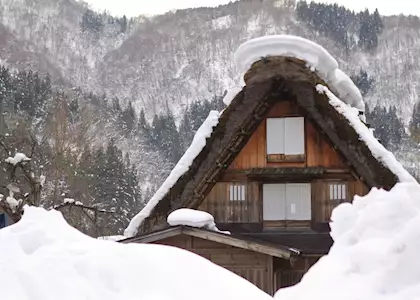
January offers cool, dry, and sunny weather in much of the country, with significantly fewer crowds. Northern Japan receives heavy, reliable snowfall, creating excellent conditions for skiing and winter sports in regions like Hokkaido and the Japanese Alps.

Visiting Japan in February
Ski season peaks in northern Japan. Nationwide, days remain cool and dry, making it a good time for sightseeing with lighter crowds. The famous Sapporo Snow Festival in early February features spectacular ice and snow sculptures in Odori Park.
Visiting Japan in March
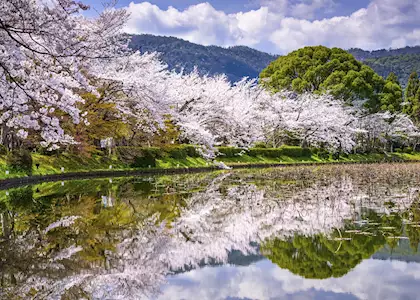
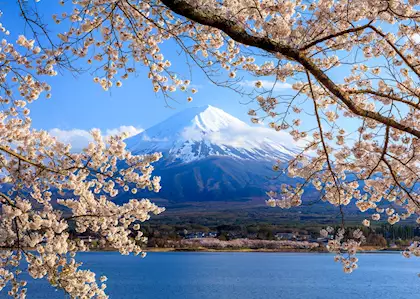
Spring begins with milder weather. Plum blossoms appear early in the month, followed by the first cherry blossoms in southern Japan (Kyushu, Shikoku) by late March. This marks the start of hanami (blossom-viewing) picnics. Crowds increase significantly toward month's end.
Visiting Japan in April
This is the peak cherry blossom season for central Japan (Tokyo, Kyoto, Osaka). The scenery is magical, but major sites are extremely busy, and accommodation prices are at a premium. The Takayama Matsuri in mid-April showcases ornate floats in a historic setting.
Visiting Japan in May
Pleasantly warm and dry weather prevails. While cherry blossoms reach northern Hokkaido, Okinawa enters its rainy season. The first week contains Golden Week, a cluster of national holidays and one of Japan's busiest domestic travel periods. The Sanja Matsuri in Tokyo's Asakusa is a vibrant, energetic festival.
Visiting Japan in June
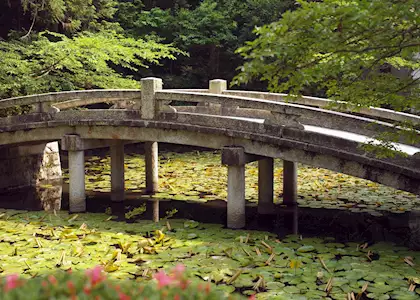
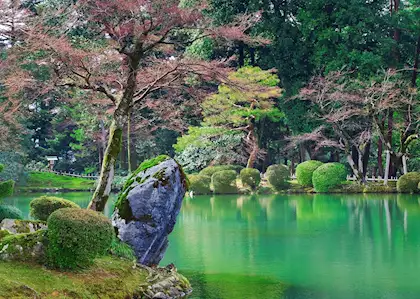
The rainy season (tsuyu) begins, bringing humidity and frequent showers to most regions except Hokkaido. Lush, green landscapes are at their peak, making temple gardens particularly beautiful. This is a less crowded but wetter time to visit.
Visiting Japan in July
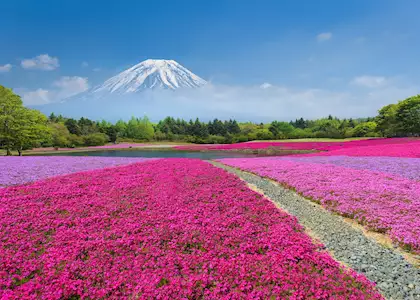
The rainy season typically ends in central Japan by mid-month, but heat and humidity rise. It's a lively festival period and the start of the official climbing season for Mount Fuji. The Gion Matsuri in Kyoto, with its grand float processions, is a major cultural highlight.
Visiting Japan in August
Hot and humid weather continues nationwide, though Hokkaido offers a cooler escape. The Obon holiday in mid-August sparks major domestic travel. Festivals like Tokushima's Awa Odori dance festival create a vibrant atmosphere.
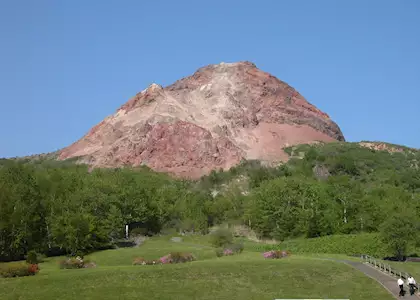
Visiting Japan in September
Summer crowds diminish, but heat and humidity can linger. Late September sees the first autumn colors in Hokkaido. Travelers should check for Silver Week, a rare five-day holiday that occurs sporadically and causes price spikes.
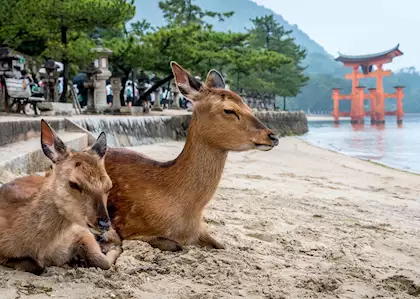
Visiting Japan in October
Autumn arrives on mainland Japan with comfortable, cooler temperatures. Stunning red and gold foliage begins in northern regions (Hokkaido, Tohoku) and progresses southward. This is the start of the popular koyo viewing season.
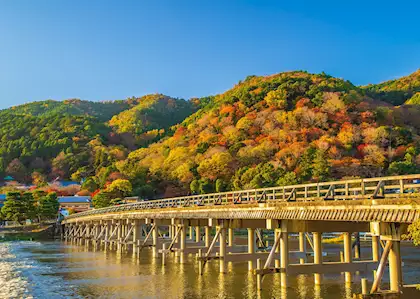
Visiting Japan in November
Peak autumn foliage reaches central and western Japan (Kyoto, Tokyo). The weather is mild and pleasant, and crowds are generally thinner than during spring peak. It's an excellent time for cultural sightseeing and photography.
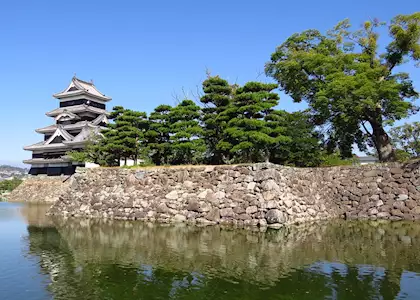
Visiting Japan in December
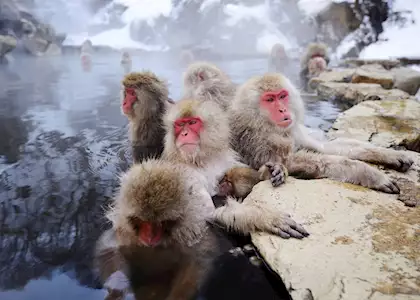
Early December is cool, dry, and quiet, ideal for city visits. Ryokan (traditional inns) can be chilly, but outdoor onsen (hot springs) surrounded by snow are a unique winter luxury. Attractions may close from December 29th for the New Year holiday, when domestic travel increases. [IMAGE_1]
Practical Tips for Planning Your Trip
- Book Early: For spring and autumn peaks, secure flights and accommodation 6-12 months in advance.
- Look Beyond Peaks: Consider shoulder months (late May, early September) for better prices and fewer people.
- Embrace the Seasons: Each season offers unique festivals, foods, and natural beauty. Align your itinerary with your interests, whether it's hiking, skiing, or cultural events.
- Check Regional Forecasts: Always verify bloom and foliage forecasts (sakura zensen, koyo zensen) as timing varies yearly.
Frequently Asked Questions
What is the cheapest time to visit Japan? Based on common travel industry data, the periods with typically lower costs are mid-January to early March (excluding ski resorts) and June to mid-July (rainy season). September can also be reasonable, excluding Silver Week years.
Is summer a bad time to visit Japan? Not necessarily. While humidity is high in cities, summer is perfect for hiking in the Japanese Alps or exploring Hokkaido's national parks. It's also the prime season for vibrant festivals (matsuri) and climbing Mount Fuji.
How far in advance should I plan a trip during cherry blossom season? Industry best practice recommends planning and booking at least 6 to 9 months ahead. This is crucial for securing desired hotels and often better flight prices. Flexibility with your dates and destinations within Japan can also be beneficial.