best time to transplant echinacea
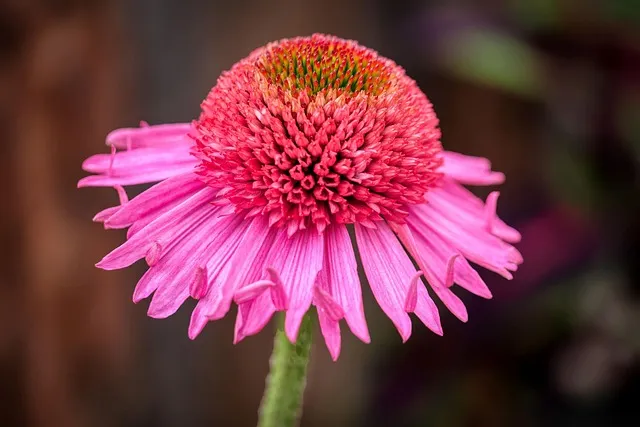
Echinacea, commonly known as coneflower, is a beloved perennial prized for its vibrant, daisy-like blooms and medicinal properties. Whether you're a seasoned gardener looking to divide an established clump or a beginner moving a nursery plant to its permanent home, timing is critical for a successful transition. The best time to transplant echinacea is during its dormant periods in early spring or early fall. This timing minimizes stress on the plant, allowing it to establish strong roots before facing summer heat or winter cold. Understanding the nuances of seasonal transplantation can ensure your echinacea thrives, providing years of beauty and resilience in your garden.
Why Timing Matters for Transplanting Echinacea
Transplanting any perennial is a significant shock to its system. Echinacea, with its deep taproot, is particularly sensitive to disturbance. Choosing the optimal window—when the plant is not actively flowering or putting energy into top growth—allows it to focus entirely on root regeneration. Transplanting during stressful conditions, like midsummer heat or frozen winter ground, can lead to transplant shock, stunted growth, or even plant loss. The goal is to work with the plant's natural cycle, giving it the best possible chance to settle into its new location with minimal interruption to its growth and blooming potential.
The Two Ideal Transplanting Windows
1. Early Spring Transplantation
This is often considered the prime time for transplanting echinacea. As soon as the ground is workable and the threat of a hard frost has passed—typically from late March to early May, depending on your USDA hardiness zone—you can proceed.
- Advantages: The plant is emerging from dormancy. Cool, moist spring weather reduces water stress. The plant has the entire growing season ahead to establish a robust root system before winter.
- The Process: Look for the first signs of new green shoots at the crown of the plant. This is your cue. Dig up the entire clump, carefully preserving as much of the root ball as possible. You can then divide it if desired, ensuring each division has several growth points (eyes) and healthy roots.

2. Early Fall Transplantation
The second-best option is in the early fall, roughly 4-6 weeks before your area's first expected frost date. This usually falls between late August and mid-September for most regions.
- Advantages: The soil is still warm from summer, which encourages root growth, while the cooler air temperatures reduce top-growth demands. The plant can establish roots without the pressure of supporting blooms.
- Crucial Consideration: Timing is tighter in fall. Transplanting too late won't give the roots enough time to anchor before the ground freezes, making the plant susceptible to "heaving" out of the soil during winter freeze-thaw cycles.
Step-by-Step Guide to Transplanting Echinacea
Once you've identified the right seasonal window, follow these steps for a successful move.
- Prepare the New Site: Echinacea thrives in full sun (at least 6 hours daily) and well-draining soil. Amend heavy clay soil with compost to improve drainage. Dig a hole twice as wide as the root ball you expect to transplant.
- Water Thoroughly: The day before transplanting, water the echinacea deeply in its current location. This reduces stress and makes the soil easier to work with.
- Dig Up the Plant: Using a sharp spade or garden fork, dig in a wide circle around the plant to avoid damaging the taproot. Lift the entire clump gently.
- Divide (If Desired): For older, overgrown clumps, use a sharp knife or spade to slice the crown into sections. Each division should have several shoots and a healthy portion of roots.
- Transplant Immediately: Place the root ball in the prepared hole. The crown (where the stems meet the roots) should be level with the surrounding soil surface. Backfill with soil, firming gently to remove air pockets.
- Water and Mulch: Water deeply immediately after planting to settle the soil. Apply a 2-3 inch layer of organic mulch (like shredded bark) around the base to retain moisture and regulate soil temperature. Keep the mulch away from the plant's crown to prevent rot.
Post-Transplant Care and Tips
Your job isn't done once the plant is in the ground. Proper aftercare ensures a smooth recovery.
- Consistent Watering: For the first 3-4 weeks, keep the soil consistently moist but not soggy. This is crucial for encouraging new root growth.
- Hold the Fertilizer: Avoid fertilizing at the time of transplant. The goal is root growth, not leafy top growth. You can apply a balanced, slow-release fertilizer in the following spring.
- Deadhead Spent Blooms: If you transplant in spring and the plant flowers in its first season, consider deadheading (removing spent flowers). This can direct more energy toward root establishment.
- Fall Transplant Special Care: For fall transplants, leave the spent foliage in place over winter. It provides a bit of insulation. You can cut it back in early spring.
Frequently Asked Questions (FAQ)
Q: Can I transplant echinacea in the summer? A: It's not recommended. Summer heat places immense water stress on the plant, and it is actively flowering, making recovery very difficult. If you must, do it on a cool, overcast day, provide ample shade, and be prepared to water meticulously.
Q: How often should I divide and transplant my echinacea? A: Echinacea benefits from division every 3-4 years. This rejuvenates older clumps that may have died out in the center, improves flowering, and gives you new plants to expand your garden or share.
Q: My transplanted echinacea looks wilted. Is it dying? A: Some wilting or drooping (transplant shock) is normal for a few days. Ensure it is receiving adequate water and is not in direct, scorching afternoon sun if transplanted in spring. It should perk up as new roots form.
Q: Is it better to transplant in the morning or evening? A: Evening is generally better. Transplanting in the cooler evening hours gives the plant the entire night to start recovering before facing the sun and heat of the day.
Conclusion
Successfully transplanting echinacea hinges on respecting its natural rhythm. By choosing the optimal times of early spring or early fall, you leverage cool temperatures and moist soil to promote strong root development. Coupled with careful planting techniques and attentive aftercare—especially consistent watering—your coneflowers will quickly overcome the move. Whether you're managing a mature garden or just starting out, this knowledge empowers you to confidently propagate and place these hardy, beautiful natives where they can flourish for seasons to come.
Related Articles
Cover image coming soon
Best Time to Visit Thailand
Discover the best time for visit thailand. Complete guide with expert tips and data-driven insights.

best time to visit walt disney world in florida

when is the best time to go to costa rica

best time to visit redwood national park

best time to visit the galapagos islands
