Best Time to Visit Bali
Discover the best time for visit bali. Complete guide with expert tips and data-driven insights.
The Best Time to Visit Bali for Every Type of Traveler
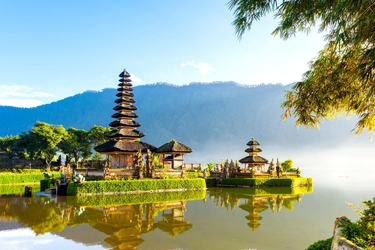 Planning a trip to Bali? The ideal time to visit depends entirely on your priorities, whether it's perfect beach weather, avoiding crowds, or experiencing vibrant festivals. For most outdoor activities like surfing, hiking, and beach-going, the dry season (April to October) is optimal. For lower prices and fewer tourists, consider the wet season (November to March), understanding the trade-offs. This guide breaks down Bali's climate and seasons to help you make an informed decision based on your travel goals.
Understanding Bali's Climate and Seasons

Bali enjoys a warm, tropical climate year-round, with average temperatures consistently between 75°F and 82°F (24°C - 28°C). The year is divided into two main seasons, which directly impact tourism patterns, prices, and activity availability.
- Dry Season (April to October): Characterized by lower humidity, less rainfall, and predominantly sunny days. This is the peak period for tourism and outdoor adventures.
- Wet Season (November to March): Features higher humidity, frequent but often short-lived rain showers, and lusher landscapes. This period sees fewer tourists and lower prices.
Based on common travel industry practice, the tourist seasons are generally categorized as follows:
- High Season: June to August, November to December (holiday period)
- Shoulder Seasons: April to May, September to October
- Low Season: January to March
Best Time for Good Weather and Beaches
For sun-seekers and water sports enthusiasts, the clear choice is the dry season, particularly from May to September. During these months, humidity drops, rainfall is minimal, and the ocean conditions are typically calm and clear—ideal for swimming, snorkeling, and scuba diving.

July and August represent the peak of dry weather, with virtually guaranteed sunshine. However, these are also the busiest and most expensive months. For a balance of good weather and slightly smaller crowds, the shoulder months of May, June, September, and early October are excellent alternatives. While brief showers can occur, they are usually followed by clear skies.
Best Time for Surfing
Surfers should target the dry season, specifically June through August. During this period, consistent southeast trade winds generate larger, more powerful swells, particularly on the southwest coasts of Bali like Uluwatu and Canggu. For beginners, the wet season (November to March) offers smaller, more manageable waves on the eastern and southeastern shores.
Best Time for Hiking and Outdoor Adventures
Dry trails and clear summit views are crucial for a rewarding hike. The recommended window for hiking, including treks up Mount Batur or through jungle paths, is from May to October. Trails are less muddy and slippery, and the chance of rain disrupting your sunrise hike is significantly lower.

For waterfall hikes, the best time is at the start of the dry season, in May or June. The cascades are still powerful from the wet season rains, but you’re more likely to have sunny skies for your visit and safe trail conditions.
Best Time for Smaller Crowds and Lower Prices
If your priority is affordability and a more tranquil experience, the wet season, from January to March, is typically the best time to visit. This period falls outside major holidays and sees a notable drop in tourist numbers. Hotel and villa rates can be significantly lower, offering greater value.
While afternoon rain showers are common, mornings are often bright. This season is perfect for travelers focused on cultural immersion, temple tours, yoga retreats in Ubud, or simply relaxing without the crowds. The landscape is at its most vibrantly green during this time.

Best Time for Festivals and Cultural Events
Bali's rich culture is highlighted through its festivals. Timing your visit with these events can be a unforgettable experience. Key dates include:
- Bali Arts Festival: Runs from mid-June to mid-July in Denpasar, showcasing traditional dance, music, and crafts.
- Indonesian Independence Day (Hari Merdeka): Celebrated on August 17th with parades and friendly competitions nationwide.
- Nyepi (Balinese Day of Silence): A unique cultural observance usually in March. The island shuts down completely—no flights, traffic, or noise—for 24 hours of reflection.
- Galungan and Kuningan: This important 10-day festival, occurring every 210 days, celebrates the victory of good over evil. Dates vary each year.
Months to Potentially Avoid
Travelers seeking a classic, activity-filled beach holiday may want to avoid the peak of the wet season in December and January. These are typically the rainiest months, which can lead to muddy trails, choppier seas, and a higher likelihood of outdoor plans being interrupted. Mosquito activity also increases during the wetter months, so robust insect repellent is advised.
However, it's important to note that "worst" is subjective. For a budget-conscious traveler or someone seeking deep cultural immersion without crowds, this quieter, greener period can be the ideal time to visit.
Practical Tips for Your Visit
- Book Early for Dry Season: If traveling between June and August, secure flights and accommodations months in advance.
- Pack for the Season: Include sun protection and light clothing for the dry season. For the wet season, pack a light rain jacket, quick-dry attire, and reliable insect repellent.
- Embrace Flexibility in Wet Season: Have a mix of indoor and outdoor plans. Rain showers often pass quickly, allowing you to resume activities.
- Consider Shoulder Seasons: For the best balance of favorable weather, manageable crowds, and reasonable prices, April-May and September-October are often the smartest choices.
By aligning your travel dates with your primary activities and preferences, you can ensure your Bali trip meets—and exceeds—your expectations.
Related Articles
Cover image coming soon
best time to visit lake district
Cover image coming soon
best time to visit lake chelan
Cover image coming soon
best time to visit oak glen
Cover image coming soon
best time to visit las vegas 2024
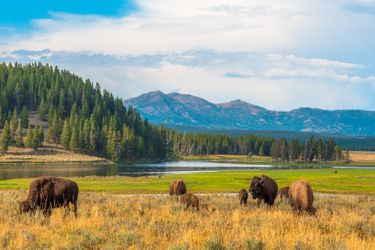
Best Time to Visit Yellowstone
Discover the best time for visit yellowstone. Complete guide with expert tips and data-driven insights.

Best Time to Visit Switzerland
Discover the best time for visit switzerland. Complete guide with expert tips and data-driven insights.