Best Time to Visit Hawaii
Discover the best time for visit hawaii. Complete guide with expert tips and data-driven insights.
Determining the best time to visit Hawaii depends on your priorities: perfect weather, lower prices, or fewer crowds. While Hawaii offers a warm, tropical climate year-round, key factors like seasonal weather patterns, tourist volume, and costs fluctuate significantly. Based on common travel planning practices, this guide breaks down what to expect each season to help you make an informed decision.
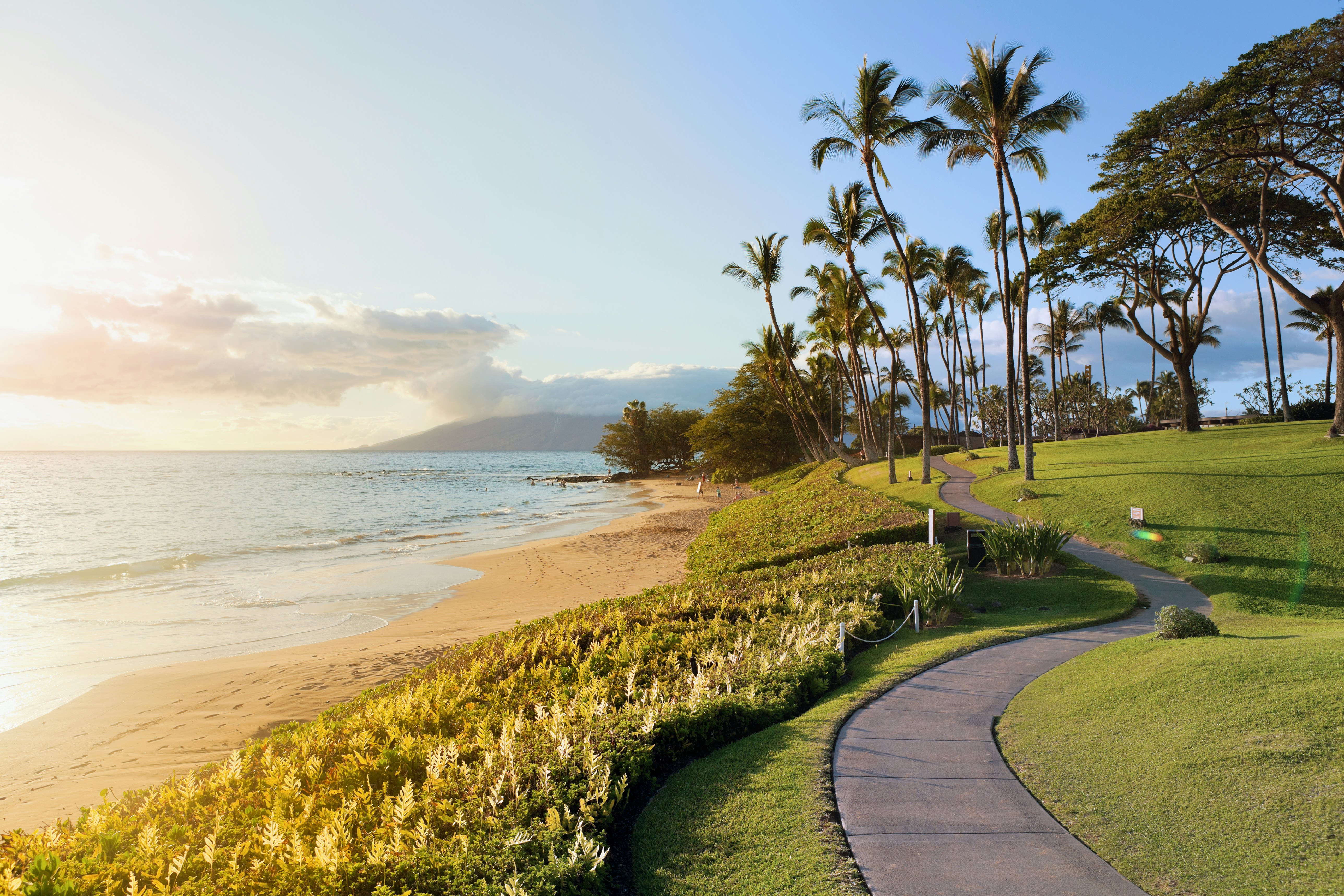
Understanding Hawaii's Travel Seasons
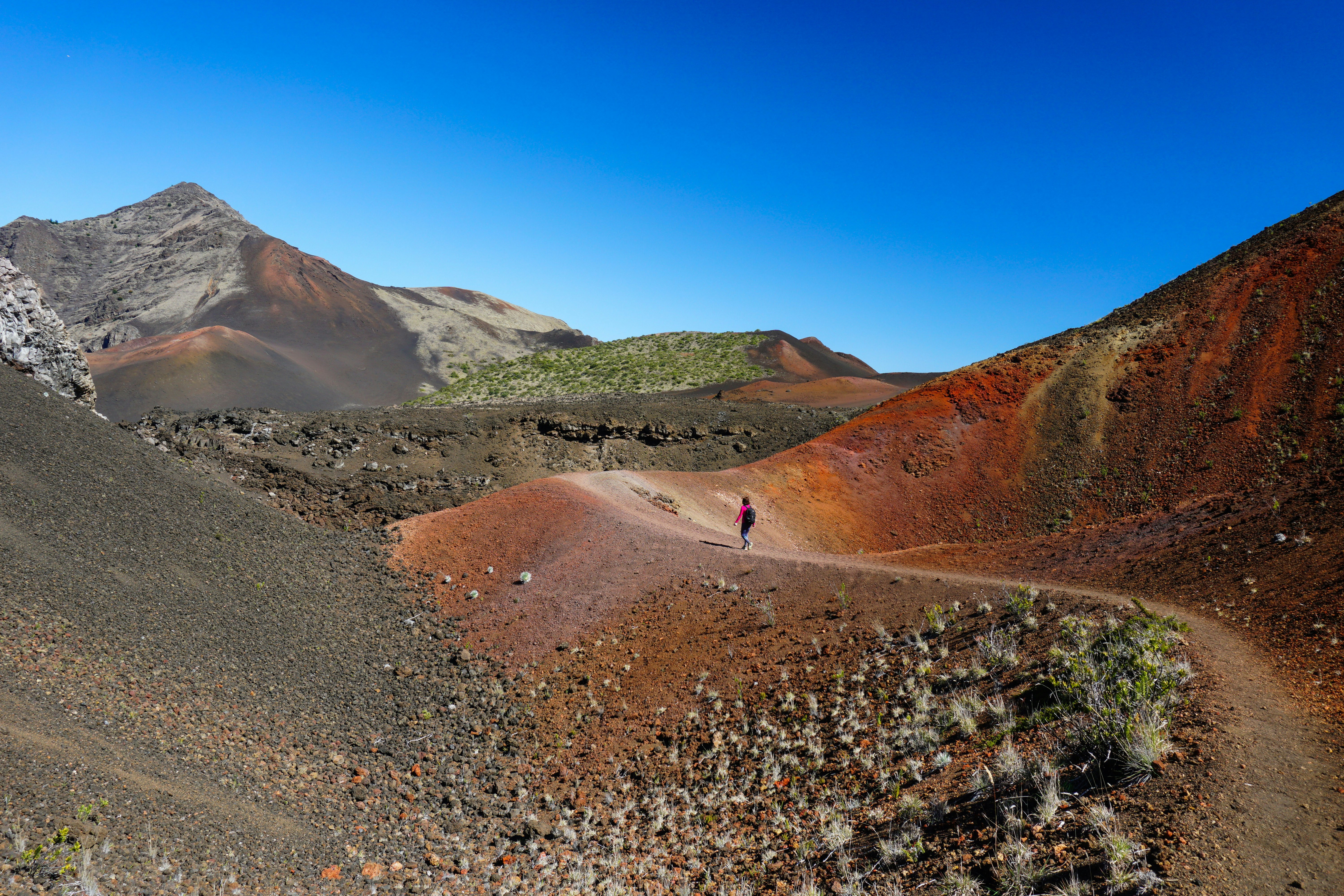
Industry analysis consistently shows that Hawaii's visitor patterns are heavily influenced by North American school schedules and winter getaways. There is no single "bad" time to visit, but your experience will vary. The islands have two main seasons: the drier summer (April to October) and the wetter winter (November to March), with shoulder seasons offering a blend of conditions.
Summer (June to August): Peak Season for Perfect Weather

If consistent sunshine and vibrant energy are your top criteria, summer is the ideal time. Daytime temperatures average a comfortable 85°F with minimal rain, especially on leeward coasts.
- Crowds & Cost: This is the busiest season alongside winter holidays. Expect higher prices for flights and accommodations, and book popular activities like Hanauma Bay snorkeling or Haleakalā sunrise views well in advance.
- Activities & Events: Summer offers a full calendar. South-shore surf is calm, ideal for learning. Major festivals include Oʻahu's King Kamehameha Celebration Floral Parade in June and Duke's OceanFest in August. It's also peak season for mangoes and plumeria blooms.
Travel Tip: For a summer visit, secure reservations for rental cars, hotels, and top attractions at least 4-6 months ahead.
Fall (September to October): Best for Value and Warm Seas
For travelers seeking a balance of good weather and value, fall is often considered the sweet spot. Crowds diminish after Labor Day, and ocean temperatures reach their annual peak.
- Crowds & Cost: This is typically the cheapest time to fly from the mainland. You'll find more hotel availability and better deals, making it excellent for budget-conscious travelers.
- Weather Consideration: The hurricane season runs through November. While direct hits are rare, the possibility of tropical storms or increased rainfall exists. Industry resources advise purchasing travel insurance for trips during this period.
Winter (November to January): For Whale Watching and Epic Surf
Winter attracts visitors fleeing colder climates, creating a major peak season centered on the December holidays. The trade-off for crowds is unique seasonal events.
- Crowds & Cost: The period from mid-December through early January is the most expensive and crowded. Book everything exceptionally early. Airfare can sometimes be competitive outside the exact holiday weeks.
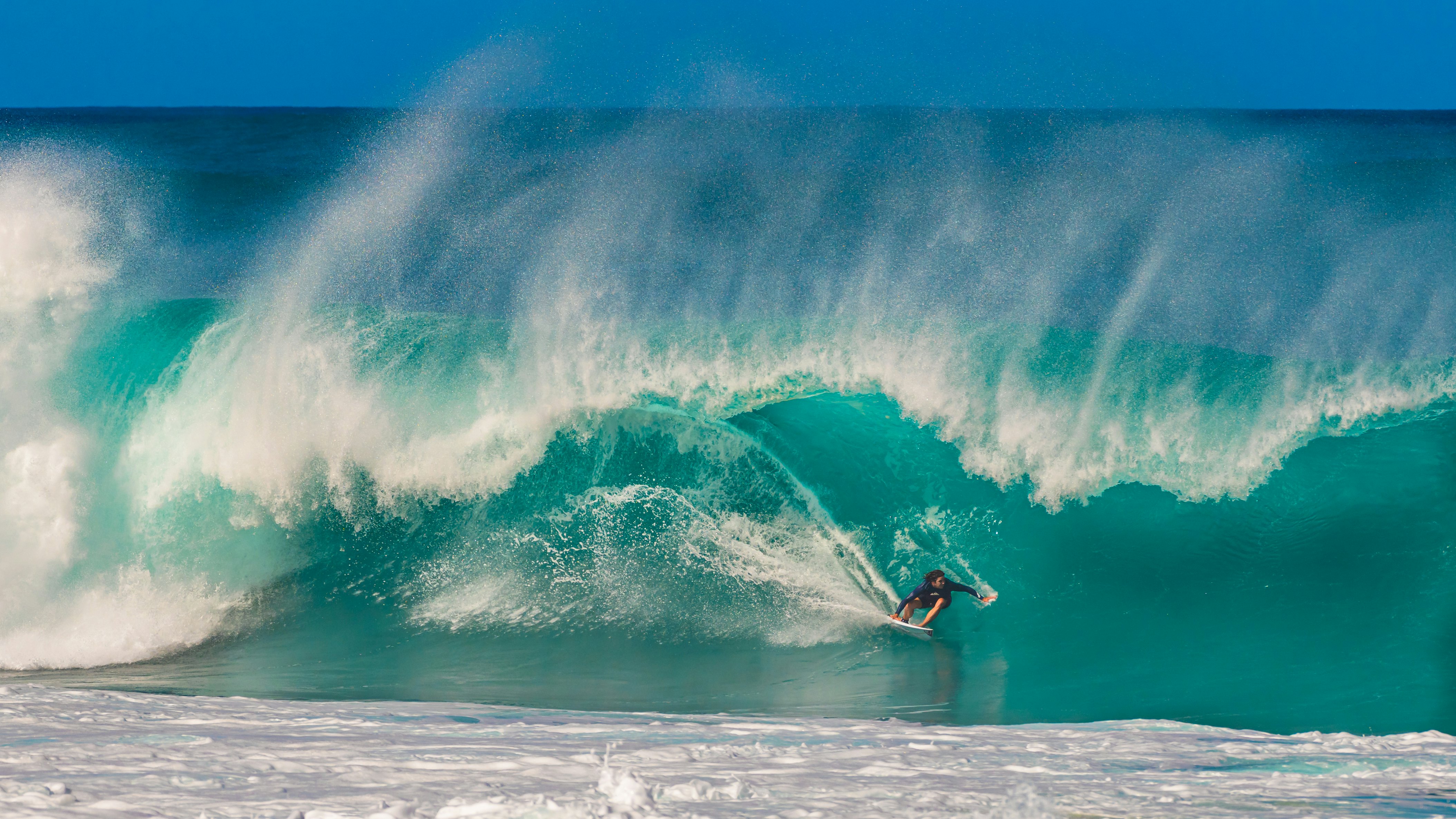
- Seasonal Highlights: This is prime time for humpback whale watching, as thousands migrate to Hawaiian waters. Winter also brings the legendary big-wave surf to north shores, with professional contests on Oʻahu's North Shore. The Honolulu Marathon in December is a major event.
Important Note: Always heed ocean safety warnings. Winter north-shore waves are for experts only; enjoy the spectacle from the beach.
Late Winter (February to Early March): A Quieter, Rainier Interlude
Following the holiday rush, late winter sees a noticeable dip in visitor numbers. This can be an excellent time for a more relaxed vacation.
- Crowds & Cost: This period offers a high chance of finding discounts on airfare and hotels. Attractions are more accessible.
- Weather: This is the heart of the rainy season, particularly on windward (northeast) sides of the islands. However, showers are often brief and localized. Leeward areas (like Waikiki or Kihei) remain predominantly sunny.
Spring (Mid-March to Early April): Ideal for Families
Spring weather is mild and pleasant—warm but not overly hot—making it superb for outdoor exploration with children, outside of specific spring break weeks.
- Family-Friendly Activities: Ocean conditions are often calm for snorkeling and swimming. It's a great time to visit zoos, botanical gardens, and indoor play centers like the Hawaii Children's Discovery Center. Luau availability is generally better.
- Planning Note: Be mindful of the Easter holiday and varying spring break weeks, which can cause a temporary spike in crowds and prices.
Late Spring (May to Early June): Perfect for Couples and Romance
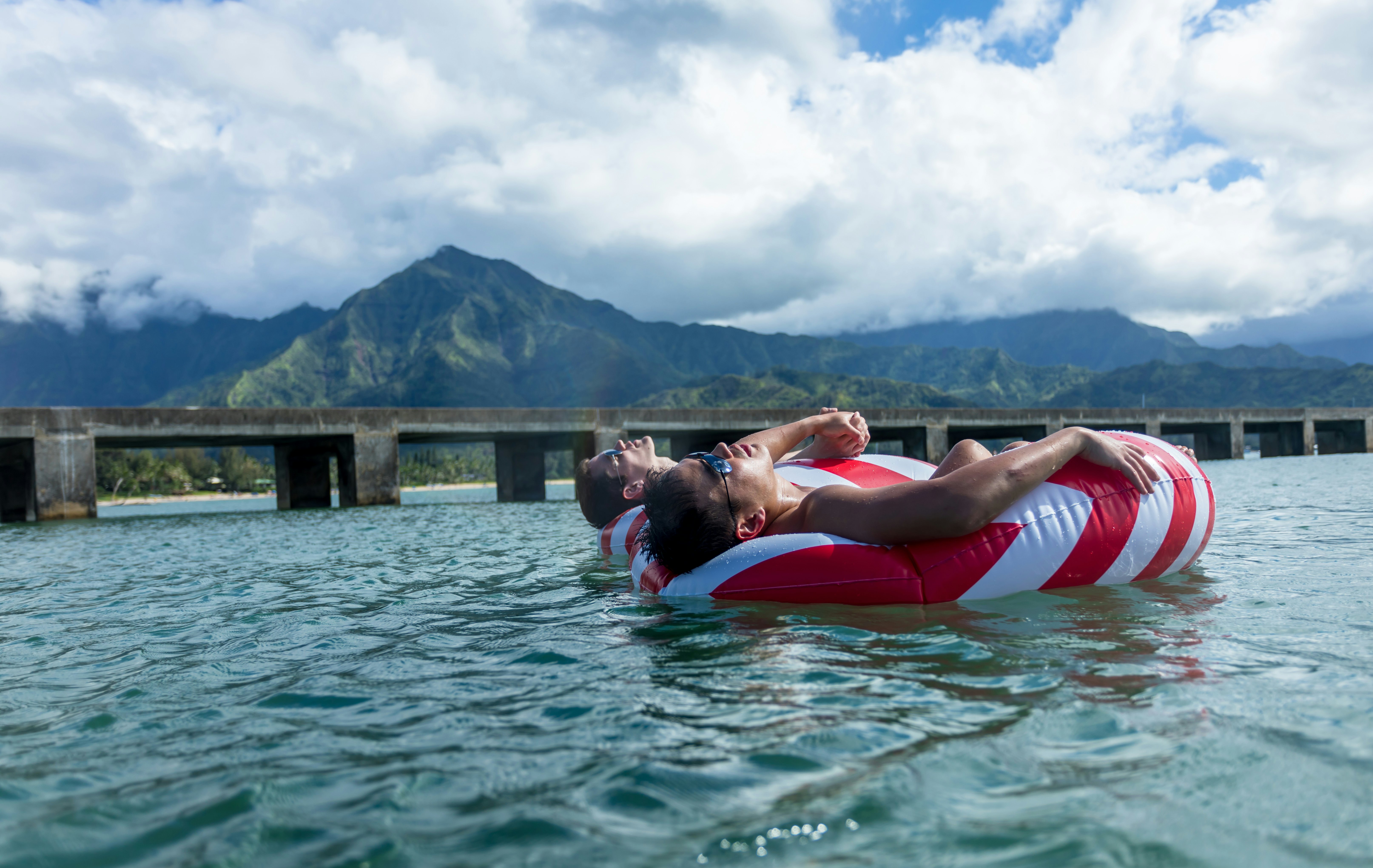
The period before the summer surge in late May and early June is arguably one of the best times for a romantic getaway or peaceful retreat.
- Atmosphere: You'll enjoy warm, settled weather with significantly fewer crowds than summer. Beaches and restaurants are more serene.
- Value: This shoulder season often features lower accommodation rates and more flight options than peak periods, offering great value for the experience.
Frequently Asked Questions
What is the cheapest month to go to Hawaii? Based on historical airfare and lodging data, September and October typically offer the lowest overall costs, following the summer travel peak.
What is the rainiest month in Hawaii? In general, the winter months are wetter. February and March often see the highest rainfall, especially on the windward (northeastern) sides of the islands.
When is whale watching season in Hawaii? Humpback whales are typically present in Hawaiian waters from November through April, with peak sightings between January and March.
When should I book my trip to Hawaii? For peak seasons (summer and December holidays), book 6-9 months in advance. For shoulder and low seasons, 3-5 months ahead is usually sufficient. Always book rental cars early, as demand frequently outstrips supply.
Ultimately, the best time to visit Hawaii aligns with your personal travel goals. Whether you prioritize flawless weather, cultural festivals, wildlife encounters, or budget-friendly peace, understanding these seasonal rhythms will help you plan a more enjoyable and authentic Hawaiian vacation.