Best Time to Visit Ireland
Discover the best time for visit ireland. Complete guide with expert tips and data-driven insights.
The Best Time to Visit Ireland: A Seasonal Guide for Your Trip
Deciding when to visit Ireland depends on your priorities: long summer days with vibrant energy, fewer crowds with potential weather trade-offs, or quiet winter charm. Based on common travel patterns and seasonal characteristics, the ideal time balances your desired activities, tolerance for crowds, and acceptance of Ireland's famously changeable weather. No single season is perfect, but each offers a distinct experience.
Understanding Ireland's Seasons and Weather
Ireland's climate is temperate maritime, meaning it's generally mild but consistently unpredictable. A key piece of travel advice is to always be prepared for rain and changing conditions, regardless of the forecast. The weather can shift from sunshine to showers and back again within a single day. Industry professionals commonly advise that the best strategy is to embrace the "soft weather" and take advantage of any "bright spells" that appear.
Summer (June through August): Peak Season Vibrancy
Long Days and Lively Atmosphere Summer is the most popular time to visit, primarily for the extended daylight. In June and July, daylight can last from before 5:00 AM until after 10:00 PM, allowing for exceptionally long sightseeing days. This period, often called the "grand stretch in the evenings," is highly valued by visitors. The landscape is at its most vibrant, with lush greens and wildflowers in full bloom.
Considerations for Summer Travel However, popularity comes with challenges. Major destinations like Dublin, Cork, the Ring of Kerry, and Belfast experience significant crowds. Accommodations, tours, and popular restaurants often book up months in advance, and prices are at their yearly peak. Travel experts consistently recommend booking all aspects of your trip well ahead of time if visiting in summer. While statistically warmer, summer is not guaranteed to be dry or sunny; cool, rainy days are still common.
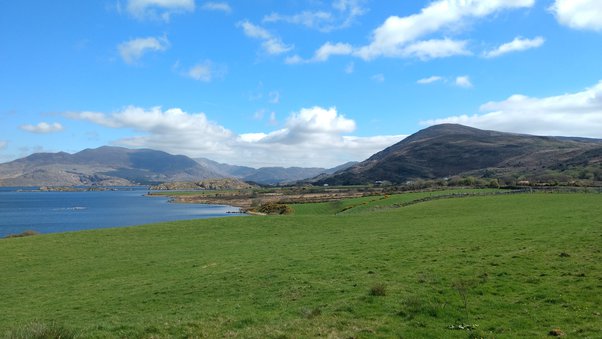
Shoulder Seasons (April-May & September-October): The Balanced Choice
Fewer Crowds and Milder Weather Many experienced travelers consider the shoulder seasons the best time for a balanced trip. You'll encounter fewer tourists, greater availability for accommodations, and often more favorable pricing compared to peak summer. The weather in late spring (May-June) and early autumn (September) can be very pleasant, with moderate temperatures and decent chances of sunshine.
Potential Drawbacks The further you move into April or late October, the greater the chance of cooler, wetter weather and shorter days. Some smaller, family-run attractions in rural areas may have reduced hours or be closed, especially outside of core summer months. It's wise to check the opening schedules of specific sites you wish to visit if traveling during the edges of these seasons.
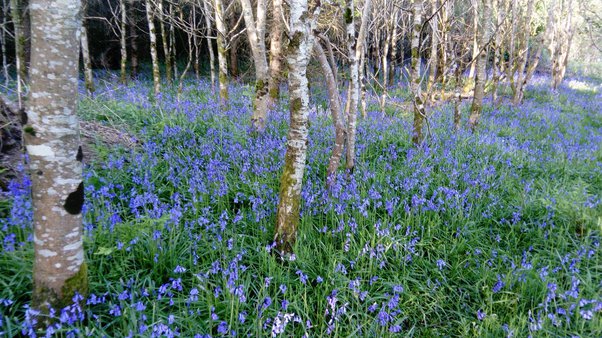
Winter (November through March): For the Intrepid Traveler
Serenity and Value Winter offers the lowest prices, the fewest tourists, and a chance to experience Ireland's cozy, authentic pub culture without the crowds. Cities are still culturally active, and sightseeing without queues can be a relief.
Significant Limitations The trade-offs are substantial: daylight is very limited (roughly 8:00 AM to 4:30 PM), many tourist-focused attractions, especially in rural areas, are closed or operate on a weekend-only schedule, and the weather is often cold, windy, and damp. This season is best suited for travelers primarily interested in city life, historical research, or those who prioritize budget and solitude over outdoor activities and visiting standard tourist sites.
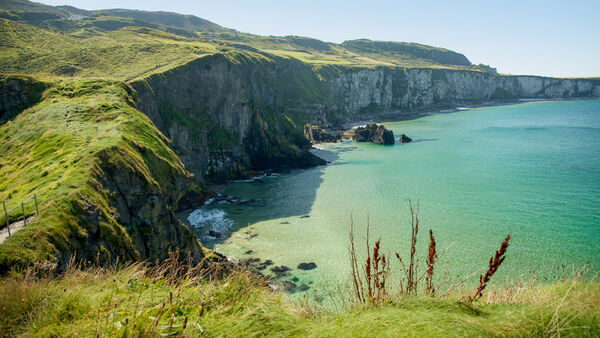
How to Choose Your Ideal Time to Visit
Instead of searching for perfect weather, a more effective approach is to define your trip's goals first.
- Define Your Priorities: Are you coming for hiking and coastal scenery, major historical sites, festival culture, or a relaxed pub tour? Your activities should dictate your timing.
- Check the Festival Calendar: Ireland's cultural calendar is packed. If your goal is to attend specific events like the Galway Oyster Festival (September), St. Patrick's Day (March), or the Wexford Opera Festival (late October/November), plan your trip around those dates.
- Weigh Crowds vs. Climate: Accept that seeking the warmest, driest statistical period (typically July-August) means contending with peak crowds and prices. Opting for fewer crowds (shoulder/winter) means accepting a higher probability of rain and cooler temperatures.
- Book Accordingly: For summer and popular festival times, book accommodations and key experiences at least 3-6 months in advance. During shoulder season, a few months' notice is still prudent.
Final Recommendations and Key Takeaways
- For Best Overall Conditions: Aim for late May, June, or September. You'll benefit from good daylight, manageable crowds, open attractions, and a fair chance of agreeable weather.
- For Budget and Solitude: Consider late October, November (excluding holidays), or early April. Be prepared for shorter days and plan your itinerary around attractions confirmed to be open.
- For Maximum Daylight and Energy: Choose July or early August. Commit to a rigid advance-booking strategy and embrace the bustling atmosphere.
Ultimately, there is no objectively "bad" time to visit Ireland—only times that are better suited to different types of travelers. By packing layers, a waterproof jacket, and a flexible attitude, you can enjoy the unique magic of Ireland in any season.
Related Articles
Best Time to Visit New Zealand
Discover the best time for visit new zealand. Complete guide with expert tips and data-driven insights.
Best Time to Take Magnesium
Discover the best time for take magnesium. Complete guide with expert tips and data-driven insights.
Best Time to Take Probiotics
Discover the best time for take probiotics. Complete guide with expert tips and data-driven insights.
Best Time to Post on Tiktok Today
Discover the best time for post on tiktok today. Complete guide with expert tips and data-driven insights.
Best Time to Post on Instagram on Monday
Discover the best time for post on instagram on monday. Complete guide with expert tips and data-driven insights.
Best Time to Take Lexapro for Anxiety
Discover the best time for take lexapro for anxiety. Complete guide with expert tips and data-driven insights.