best time to visit lake moraine
Nestled in the Valley of the Ten Peaks within Banff National Park, Lake Moraine is one of Canada’s most iconic and photographed natural wonders. Its stunning turquoise waters, fed by glacial melt, reflect the surrounding rugged peaks, creating a scene of breathtaking beauty. For any traveler planning a pilgrimage to this bucket-list destination, timing is everything. The experience of visiting Lake Moraine can vary dramatically depending on the season, weather, and even the time of day you arrive.
So, when is the absolute best time to visit Lake Moraine? The short answer is that the optimal window is from mid-June to mid-September, with July and August offering the most reliable access and warmest weather. However, the "best" time truly depends on your priorities—whether they are avoiding crowds, capturing the perfect photograph, enjoying recreational activities, or witnessing the lake in its frozen, serene winter state. This comprehensive guide will break down what to expect in each season to help you plan your perfect trip.
Understanding Lake Moraine’s Seasons
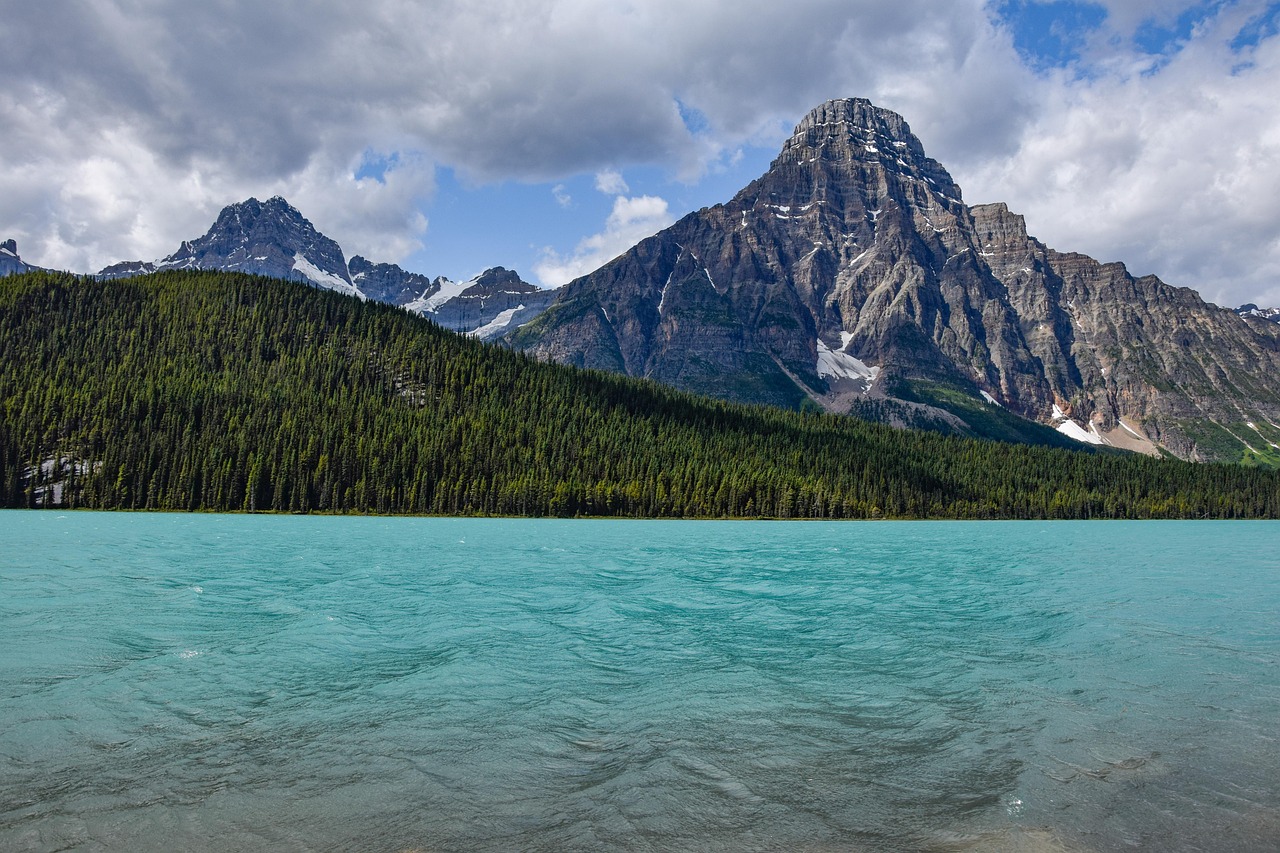
Lake Moraine’s accessibility and appearance are directly tied to the harsh alpine climate of the Canadian Rockies. The lake sits at an elevation of approximately 6,181 feet (1,884 meters), which means weather can change rapidly and seasons are pronounced. The famous turquoise color, caused by glacial rock flour suspended in the water, is most vibrant in late spring and summer when glacial melt is at its peak. Let’s explore what each season offers.
Summer (Late June to Early September): Peak Season
Summer is the most popular and accessible time to visit Lake Moraine. This is when the lake fully reveals its famous brilliant blue hue.
Pros:
- Full Access: The Moraine Lake Road is fully open, typically from early June to mid-October.
- Vibrant Color: The glacial melt is active, making the lake’s turquoise color incredibly intense and photogenic.
- Pleasant Weather: Daytime temperatures range from 60°F to 75°F (15°C to 24°C), ideal for hiking.
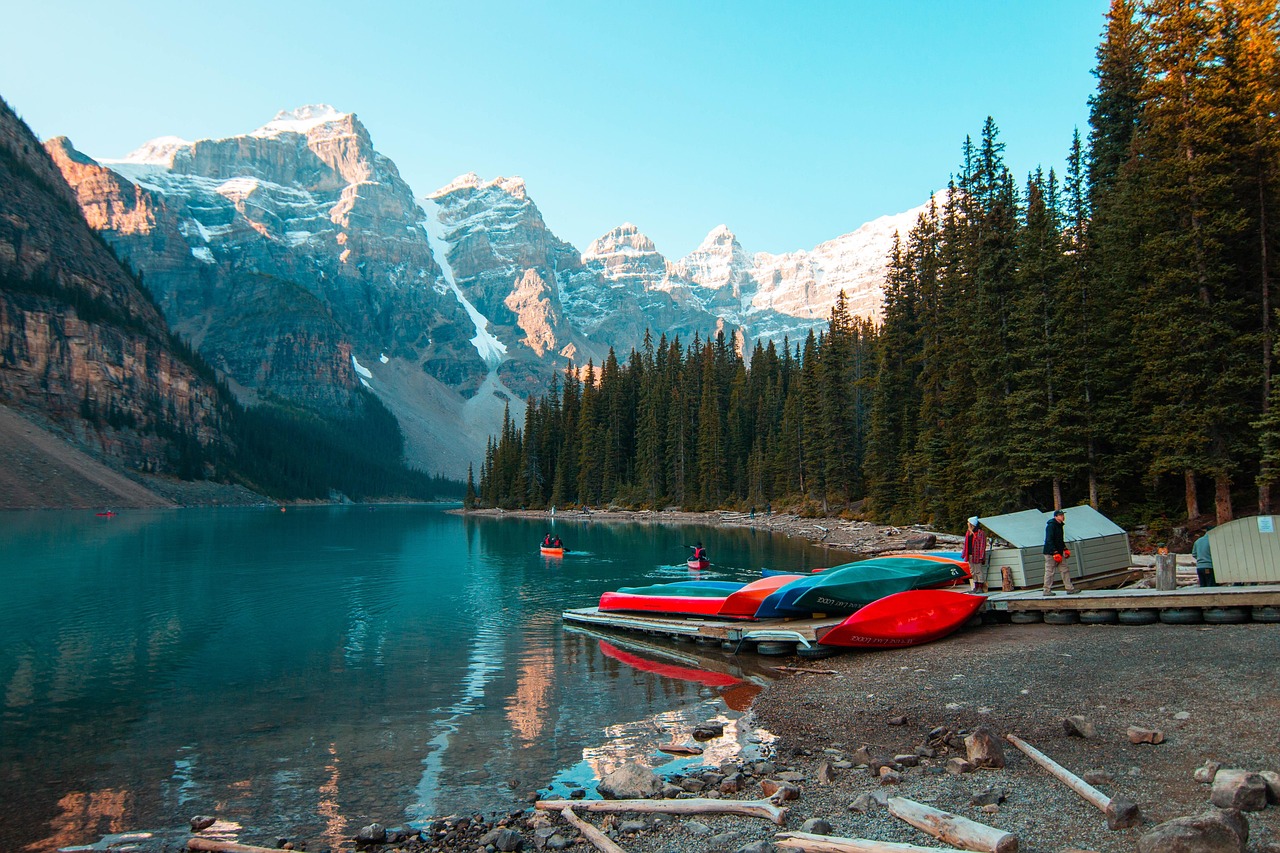
- All Activities Available: Canoe rentals operate, and all hiking trails are snow-free and accessible, including the popular Rockpile Trail and the longer Consolation Lakes trail.
Cons:
- Extreme Crowds: This is the busiest time. The small parking lot fills up by sunrise (often as early as 4:00 or 5:00 AM).
- Limited Parking: Personal vehicles are now prohibited on Moraine Lake Road. Access is only via shuttle bus, commercial tour, or public transit from the Park & Ride.
- Need for Planning: Shuttle tickets and tours must be booked well in advance—often months ahead for summer dates.
Best For: First-time visitors, photographers, hikers, canoe enthusiasts, and those who want the classic Lake Moraine experience.
Fall (Mid-September to October): A Golden Transition
Fall is a spectacular and slightly quieter time to visit, offering a dramatic shift in scenery.
Pros:
- Stunning Foliage: Larch trees in the surrounding valleys turn a brilliant gold, creating a stunning contrast with the blue water and evergreen trees.
- Fewer Crowds: After the first week of September, visitor numbers begin to drop, especially on weekdays.
- Cooler Hiking Weather: Crisp, cool air makes for comfortable hiking conditions.
- Unique Photography: The combination of blue water, golden larches, and possibly snow-dusted peaks is a photographer’s dream.
Cons:
- Unpredictable Weather: Snowstorms can occur as early as September, leading to temporary road closures.
- End of Services: Canoe rentals typically cease by mid-September. The shuttle service ends around Canadian Thanksgiving (second Monday in October).
- Diminishing Color: As glacial melt slows, the lake’s vibrant color can begin to fade and become more translucent by late fall.
Best For: Photographers, hikers seeking larch views, and travelers looking to avoid peak summer crowds.
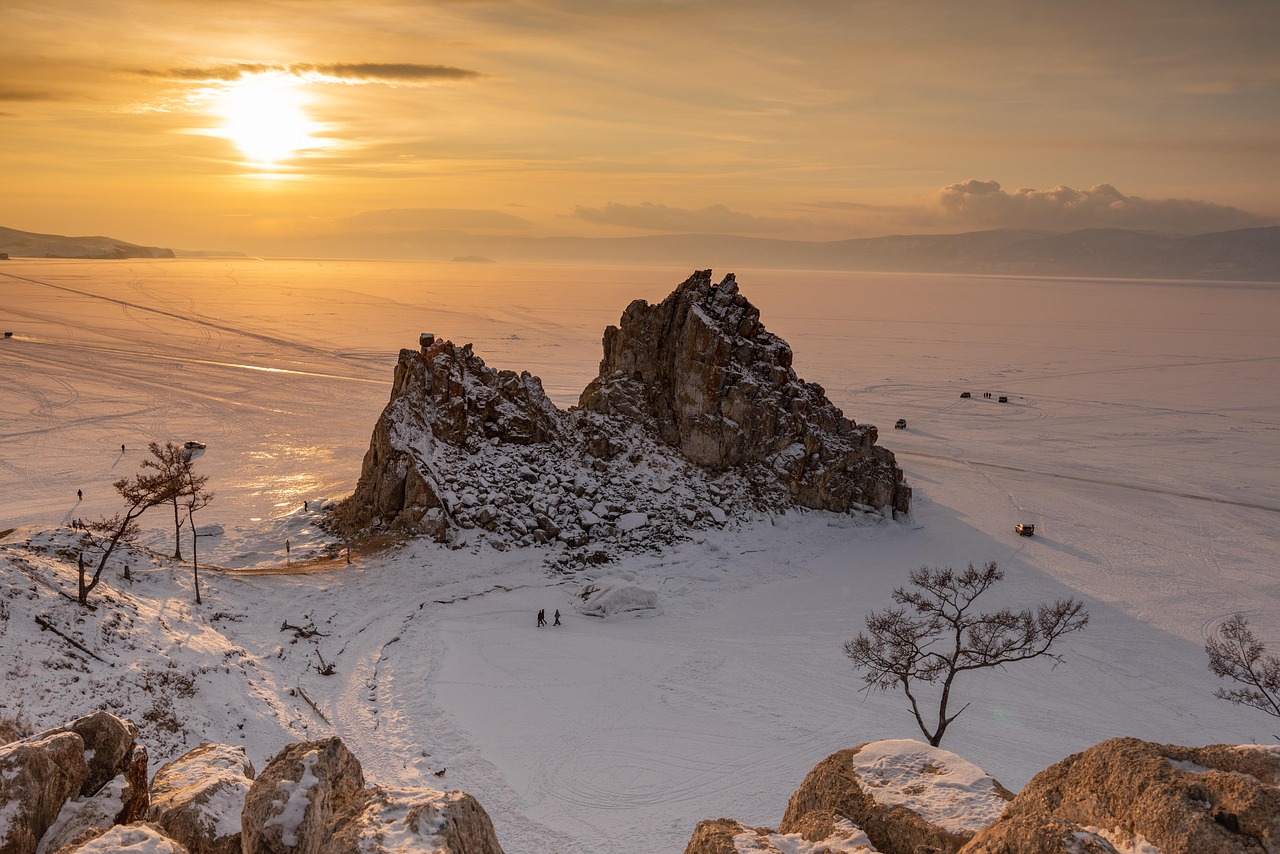
Winter (November to May): A Silent Wonderland
Visiting Lake Moraine in winter is a completely different, serene, and challenging experience.
Pros:
- Absolute Solitude: You’ll likely have the entire frozen lake basin to yourself.
- Surreal Beauty: The lake is frozen over and covered in deep snow, with the peaks draped in white—a stunning monochromatic landscape.
- Winter Sports: Accessible only via cross-country skis or snowshoes on a long, unplowed road (approx. 8 miles/13 km one-way), it’s an adventure for experienced winter enthusiasts.
Cons:
- No Access by Vehicle: Moraine Lake Road is closed and unplowed from October to May.
- Extremely Difficult Access: The ski/snowshoe journey is long, strenuous, and should only be attempted by those with proper experience, equipment, and avalanche awareness.
- No Facilities: Absolutely no services are available.
- Frigid Temperatures: Temperatures can plummet well below freezing.
Best For: Experienced backcountry skiers, snowshoers, and adventurers seeking profound solitude.
Spring (Late May to Mid-June): The Thaw
Spring is a season of transition and uncertainty at Lake Moraine.
Pros:
- Melting Drama: Witnessing the ice break up and the first hints of turquoise return can be dramatic.
- Very Few Visitors: Before the road officially opens and shuttle service begins, crowds are minimal.
- Waterfall Activity: Snowmelt creates rushing streams and waterfalls in the area.
Cons:
- Limited Access: The road often remains closed until early June due to snow and avalanche risk.
- Patchy Landscape: Trails can be muddy or snow-covered (post-holing is common).
- Dull Lake Color: The lake may still be partly frozen or a milky grey color as the glacial silt hasn't begun to fully suspend.
Best For: Travelers comfortable with uncertainty who want to avoid people and don’t mind a less-than-perfect lake color.
Key Factors for Planning Your Visit
Beyond the season, several daily factors are crucial for a successful trip.
Time of Day: Sunrise is King
Regardless of the season, sunrise is the single best time of day to visit Lake Moraine. The early morning light illuminates the peaks, the water is often perfectly still for reflections, and crowds are at their lowest. In summer, you must arrive via the first shuttle buses (often departing around 5:00 AM) to experience this tranquility. The parking lot fills at dawn.
The New Access System (2023 Onward)
Important Update: Due to overwhelming congestion, Parks Canada has prohibited personal vehicles on Moraine Lake Road. Access is now exclusively managed through:
- Parks Canada Shuttle: Must be booked online in advance. It connects from the Park & Ride at the Lake Louise Ski Resort.
- Commercial Bus Tours: Offered by various companies.
- Roam Public Transit: The seasonal Route 10 connects from Banff.
- Bicycle: A challenging but rewarding option on the paved road.
You must book your shuttle pass well ahead of time, especially for summer visits.
Weather and Packing Essentials
Mountain weather is volatile. Always pack layers, including:
- A waterproof/windproof jacket
- Warm layers (even in summer)
- Sturdy hiking shoes
- Sunscreen, hat, and sunglasses (sun is intense at high elevation)
- Plenty of water and snacks
Final Recommendations and Conclusion
Choosing the best time to visit Lake Moraine is a balance of priorities. For the quintessential experience with vibrant water and full access, target a weekday in July or August, commit to a sunrise arrival via the booked shuttle, and be prepared for crowds. For a more tranquil visit with breathtaking scenery, aim for the second or third week of September to catch the golden larches. Only seasoned winter adventurers should consider the cold-weather journey.
No matter when you go, advance planning is non-negotiable. Book your shuttle, lodging, and tours months in advance for a summer trip. Respect the park’s fragile environment by staying on trails, packing out all trash, and following Leave No Trace principles. With careful planning aligned with your travel style, your visit to Lake Moraine will be an unforgettable encounter with one of the planet’s most beautiful landscapes.