best time to visit moscow russia
Choosing the best time to visit Moscow, Russia, is the first step to unlocking an unforgettable journey to this historic and vibrant capital. The answer isn't one-size-fits-all; it depends entirely on what you want from your trip. Do you dream of a winter wonderland straight from a storybook, or do you prefer long, sunny days perfect for exploring sprawling parks and open-air cafes? Moscow is a city of dramatic seasons, each offering a completely different personality and set of experiences. This guide breaks down the pros and cons of each season, from the deep freeze of January to the golden "White Nights" of summer, to help you plan your perfect visit in 2024/2025.
Section 1: Moscow's Seasons at a Glance
Moscow experiences a classic continental climate with four distinct seasons. Understanding the rhythm of the city's weather is key to packing correctly and setting the right expectations.
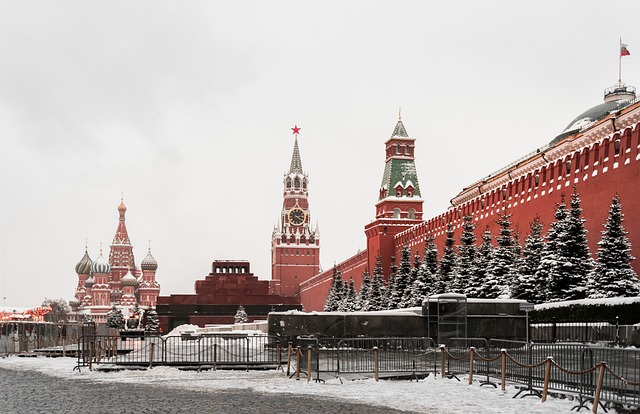
- Winter (December - February): Cold and Magical. Temperatures often plunge well below freezing, averaging between 15°F (-9°C) and 25°F (-4°C). Snow is frequent, transforming the city into a glittering spectacle. This is the season for festive markets, ice skating, and experiencing the unique beauty of a frozen Moscow.
- Spring (March - May): A Season of Thaw and Bloom. March can still be quite cold and slushy. By late April and May, the city awakens. Temperatures become mild (50-65°F / 10-18°C), flowers bloom in the parks, and the famous Moscow fountains are turned back on. It's a lovely, less crowded time to visit.
- Summer (June - August): Warm and Lively. This is peak tourist season. Days are long and warm, with July highs around 75°F (24°C). The famous "White Nights" around the summer solstice in June bring nearly 18 hours of daylight, fueling a 24/7 energy with festivals, open-air events, and bustling cafe terraces.
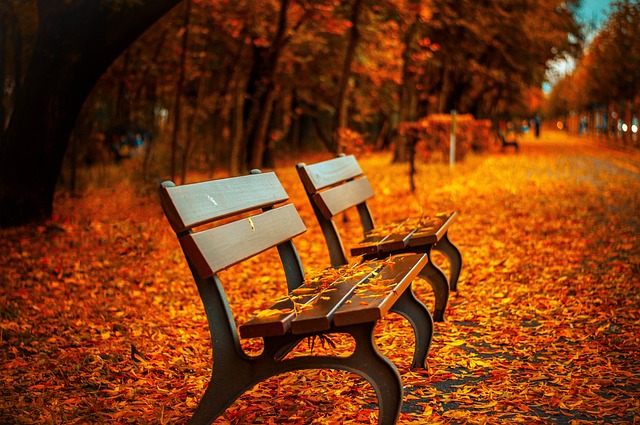
- Autumn (September - November): Colorful and Crisp. September is arguably one of the best months to visit. The summer crowds have dissipated, the weather is still pleasant, and the city's parks are painted in stunning gold and red hues. By late October, it turns colder and rainier, leading into winter.
Section 2: Deep Dive: Choosing Your Ideal Season
For Festive Charm & Winter Sports: Visit in Winter
If you don't mind the cold, a winter visit is incredibly rewarding. The city is postcard-perfect, and the cold is a cultural experience in itself.
- Pros: Breathtaking snowy landscapes, magical Christmas and New Year decorations (lasting into early January), lower prices on flights and hotels (except for the New Year period), and unique activities like ice skating in Gorky Park or at the VDNKh exhibition center.
- Cons: Extremely cold weather requiring serious thermal gear, shorter daylight hours (only about 7 hours of light in December), and potential for travel delays.
- Key Tip: The first week of January is a major national holiday. While festive, many locals are traveling, and some smaller shops/restaurants may be closed. Book everything well in advance.
For Pleasant Weather & Fewer Crowds: Visit in Late Spring or Early Autumn
The shoulder seasons of May and September offer the ideal balance for most travelers.
- Pros: Comfortable temperatures perfect for all-day sightseeing, beautiful natural scenery, significantly fewer tourists than in summer, and generally lower accommodation rates. It's ideal for visiting major outdoor sites like the Kremlin grounds, Izmailovo Market, and taking river cruises.
- Cons: Weather can be unpredictable (pack layers). In May, some museums may still have shorter winter hours.
- Key Tip: Aim for the first two weeks of May to avoid the Victory Day holiday (May 9th), when the city can be very busy with parades and celebrations, and some attractions may have altered access.
For Peak Energy & Endless Days: Visit in Summer
Summer is when Moscow lives outdoors. It's the most popular and vibrant time to visit.
- Pros: Long, sunny days perfect for exploring, a full calendar of festivals (like the Moscow City Day in early September), all attractions and parks in full swing, and a fantastic atmosphere in sidewalk cafes and along the Moskva River.
- Cons: Highest prices for flights and hotels, biggest crowds at major attractions like the Kremlin Armory and St. Basil's, and potential for occasional heatwaves.
- Key Tip: To beat the crowds, purchase skip-the-line tickets online for major attractions weeks in advance. Consider visiting popular sites early in the morning or later in the afternoon.

Section 3: Practical Tips & Cultural Calendar
Beyond weather, aligning your trip with cultural events can define your experience.
- Major Events to Consider:
- New Year & Orthodox Christmas (Dec 25 - Jan 7): A massive, festive celebration.
- Maslenitsa (Feb/March): The "Pancake Week" festival marking the end of winter, with folk performances and blini.
- Victory Day (May 9): A major national holiday with a massive military parade on Red Square (access restricted) and city-wide commemorations.
- White Nights Festival (June): A season of all-night cultural events, including the famous "Scarlet Sails" celebration for graduates.
- What to Pack: This is critical. Winter: Insulated boots, heavy coat, thermal layers, hat, gloves, scarf. Summer: Light clothing, a jacket for cooler evenings, comfortable walking shoes, sunglasses. Spring/Autumn: Layers, a waterproof jacket, and sturdy shoes.
- Visa Note: Most U.S. citizens require a tourist visa to enter Russia. The application process takes time and requires an invitation from a Russian tour operator or hotel. Start this process at least 1-2 months before your planned trip.
FAQ: Your Moscow Travel Questions Answered
Q: Is Moscow safe for tourists? A: Moscow is generally very safe for tourists, with a visible police presence in central areas. As in any major city, practice standard precautions: be aware of your surroundings, beware of pickpockets in crowded tourist spots and on the metro, and use licensed taxi apps like Yandex.Taxi instead of unmarked cars.
Q: What is the absolute cheapest time to fly to Moscow? A: The lowest airfares are typically found during the deep winter months of January and February (excluding the New Year period) and the late autumn weeks of November before the holiday season begins.
Q: I want to see the ballet at the Bolshoi Theatre. When should I book? A: The Bolshoi's main season runs from September to July. Tickets, especially for classic productions like Swan Lake or The Nutcracker, sell out months in advance. Book your tickets online as soon as your travel dates are confirmed, often 3-4 months ahead for the best selection.
Q: Can I visit during Russian public holidays? A: You can, but plan carefully. Major holidays like New Year (Jan 1-8) and Victory Day (May 9) see many Muscovites leave the city. While the atmosphere is unique, some services may be reduced, and pre-booking transport and restaurants is essential.
Q: How many days do I need to see Moscow properly? A: A minimum of 4-5 full days is recommended to cover the essential highlights at a comfortable pace, including the Kremlin, Red Square, Arbat Street, the Tretyakov Gallery, and a few parks or metro station tours.
Conclusion
Ultimately, the best time to visit Moscow is a personal choice that balances your weather preferences, tolerance for crowds, and desired activities. For classic sightseeing in comfortable conditions, target the golden weeks of May or September. For a truly magical and unique experience, embrace the cold and visit in December or January. For maximum energy and daylight, plan a June or July trip. Whenever you choose to go, Moscow is a city of immense history, culture, and beauty that promises a memorable adventure. By planning ahead for its seasonal rhythms, you’re sure to have a trip that perfectly matches your travel dreams.
Related Articles
Cover image coming soon
Best Time to Visit Thailand
Discover the best time for visit thailand. Complete guide with expert tips and data-driven insights.

best time to visit walt disney world in florida

when is the best time to go to costa rica

best time to visit redwood national park
best time to visit the galapagos islands
