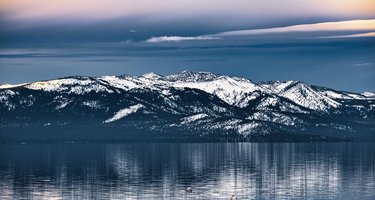
best time to visit north east india
Best Time to Visit North East India: Your Ultimate Seasonal Guide
Nestled between the mighty Himalayas, the lush floodplains of the Brahmaputra, and international borders with Bhutan, China, Myanmar, and Bangladesh, North East India is a region of breathtaking diversity and raw, untamed beauty. Comprising the "Seven Sister" states of Arunachal Pradesh, Assam, Manipur, Meghalaya, Mizoram, Nagaland, and Tripura, plus the "brother" state of Sikkim, this corner of the subcontinent offers everything from alpine meadows and dense rainforests to vibrant tribal cultures and unique wildlife. However, its dramatic topography and monsoon patterns mean the weather varies wildly, making timing your visit absolutely crucial for the best experience.
So, what is the best time to visit North East India? The optimal window for most travelers is from October to mid-April, during the post-monsoon autumn and winter months. This period offers clear skies, pleasant daytime temperatures, minimal rainfall, and excellent conditions for sightseeing, trekking, wildlife safaris, and attending vibrant cultural festivals. However, the "best" time truly depends on your specific interests—whether you're chasing blooming rhododendrons, seeking the elusive one-horned rhinoceros, or wanting to immerse yourself in a tribal harvest celebration.
This comprehensive guide breaks down the North East Indian climate season by season and state by state, helping you pinpoint the perfect time for your adventure.
Understanding the Seasons of North East India
Unlike much of mainland India, North East India experiences a more nuanced climate, heavily influenced by the Himalayas and the Bay of Bengal. The region is one of the wettest places on earth, with Cherrapunji and Mawsynram in Meghalaya famously holding world records for rainfall. The seasons are broadly categorized as follows:
- Spring (March to April): Pleasant and dry, with nature in full bloom.
- Summer (May to June): Warm to hot, with pre-monsoon showers building.
- Monsoon (July to September): Extremely heavy rainfall, lush landscapes, but challenging travel.
- Autumn (October to November): Post-monsoon clarity, cool air, and festive spirit.
- Winter (December to February): Cold, especially in the hills, with crisp, clear skies.
Season-by-Season Breakdown: Pros, Cons, and Highlights
1. Autumn (October to November): The Prime Travel Window
This is widely considered the absolute best time to visit North East India for a balanced experience.
- Weather: The monsoon rains have cleared, leaving behind crystal-clear air, sparkling rivers, and lush greenery. Days are sunny and comfortably warm, while nights begin to get cool.
- Why Visit:
- Ideal Sightseeing: Perfect for visiting iconic spots like the living root bridges of Meghalaya, the tea gardens of Assam, and the Tawang Monastery in Arunachal.
- Festival Season: Coincides with major festivals like Durga Puja (especially grand in Assam and Tripura) and the Hornbill Festival in Nagaland (first week of December).
- Great for Trekking: Excellent conditions for treks in Sikkim (like the Dzongri Trail) and Arunachal Pradesh.
- Wildlife Viewing: National parks, including Kaziranga and Manas in Assam, reopen after the monsoon, offering superb chances to see the one-horned rhino and tigers.
- Considerations: This is peak tourist season, so early bookings for flights and hotels are essential.
2. Winter (December to February): For Crisp Skies and Cultural Immersion
Ideal for those who enjoy cold weather and want to experience high-altitude areas.
- Weather: Days are pleasantly cool in the valleys but can be quite cold, especially at night. In the mountainous regions like Tawang, Sikkim, and higher parts of Nagaland, temperatures can drop below freezing, with chances of snowfall.
- Why Visit:
- Stunning Visibility: The winter haze is minimal, offering breathtaking, clear views of Himalayan peaks like Kanchenjunga.
- Unique Experiences: Chance to see snowfall in places like Tawang and Aizawl.
- Cultural Depth: Attend the incredible Hornbill Festival (early Dec) and the Ziro Music Festival in Arunachal (usually postponed, but check dates).
- Birdwatching: Excellent time for birding as migratory birds visit the region's wetlands.
- Considerations: Pack heavy woolens. Some high-altitude passes (like Sela Pass) may temporarily close due to snow.
3. Spring (March to April): The Season of Blooms
A beautiful shoulder season with vibrant colors and comfortable weather before the heat sets in.
- Weather: Warm and generally dry, with the landscape still green from the residual winter moisture. Flowers begin to bloom spectacularly.
- Why Visit:
- Rhododendron Blooms: The hills of Sikkim, Meghalaya, and Arunachal Pradesh are ablaze with red, pink, and white rhododendron flowers.
- Pleasant Trekking: Another excellent window for moderate to high-altitude treks.
- Fewer Crowds: A great time to visit before the domestic summer holiday rush begins.
- Considerations: It can get quite warm in the lowlands of Assam and Tripura towards late April.
4. Summer & Monsoon (May to September): For the Intrepid Traveler
This period is challenging but rewards with unparalleled lushness and a unique perspective.
- Weather (May-June): Hot and humid, with frequent pre-monsoon thunderstorms.
- Weather (July-Sept): The full force of the monsoon brings extremely heavy, persistent rainfall. Landslides can block roads in the hills.
- Why Visit:
- Lush Landscapes: The region transforms into a vibrant, emerald-green paradise. Waterfalls like Nohkalikai in Meghalaya are at their most powerful.
- Unique Beauty: The living root bridges and rainforests of Meghalaya are in their prime, shrouded in mist and moss.
- Off-Beat & Serene: Tourist numbers are at their lowest, offering a more solitary experience.
- Festivals: The Ambubachi Mela in Guwahati (June) and Majuli Festival in Assam (usually November, but check).
- Considerations: Significant travel disruptions are likely. Many national parks (including Kaziranga) are closed due to flooding. Trekking is not advised due to slippery trails and leeches. Only recommended for very experienced travelers comfortable with rain and uncertainty.
State-by-State Quick Reference Guide
- Assam & Kaziranga NP: Nov to April. Parks are open, weather is dry. Avoid monsoon (floods).
- Sikkim & Darjeeling: Mar-May & Oct-Nov. Best for views, trekking, and pleasant weather. Winter for snow.
- Arunachal Pradesh: Oct to April. Roads and passes are clear. Spring for flowers.
- Meghalaya: Oct to May. Enjoy the root bridges and waterfalls without constant downpours. Monsoon for extreme lushness (but prepare for rain).
- Nagaland: Oct to May. Ideal for cultural visits. Time your trip for the Hornbill Festival (Dec 1-10).
- Manipur, Mizoram, Tripura: Oct to March. Enjoy mild temperatures and cultural sites.
Final Tips for Planning Your Visit
- Book Early: For travel during peak season (Oct-Apr), especially around festivals, book flights and hotels 3-6 months in advance.
- Permits Required: Foreign nationals need Protected Area Permits (PAP) or Inner Line Permits (ILP) for Arunachal, Nagaland, Mizoram, and parts of Sikkim & Manipur. Apply well ahead.
- Pack Smart: Layer your clothing. Include rain gear regardless of season, sturdy walking shoes, sun protection, and insect repellent.
- Embrace Road Travel: The North East is best explored by road. Be prepared for long, winding, but incredibly scenic journeys.
Conclusion
Determining the best time to visit North East India ultimately hinges on the experience you seek. For most travelers desiring a comprehensive mix of culture, wildlife, trekking, and hassle-free travel, the golden months from October through April are unbeatable. Within that, October-November offers post-monsoon freshness and festivals, while December-February provides crisp mountain air and clear skies. If you're a photographer chasing blooms or a solitude-seeking adventurer unfazed by rain, the shoulder months of spring or the deep green monsoon can offer their own unique magic. Whenever you choose to go, this enigmatic region promises an unforgettable journey into the heart of India's most diverse and captivating frontier.
Related Articles

best time to visit mall of america

best time to visit maine for seafood
Best Time to Go to Ireland
Discover the best time for go to ireland. Complete guide with expert tips and data-driven insights.
best time to visit leu gardens

best time to visit las vegas 2026