best time to visit shanghai china
Shanghai, China's glittering metropolis, is a city of fascinating contrasts where historic temples stand in the shadow of futuristic skyscrapers. Deciding on the best time to visit Shanghai is crucial for enjoying its world-class attractions, from the Bund's iconic skyline to the serene Yu Garden. The ideal timing balances pleasant weather, manageable crowds, and vibrant cultural events. For most travelers, the sweet spots fall during the mild, comfortable seasons of spring and autumn, though each period of the year offers a unique perspective on this dynamic city.
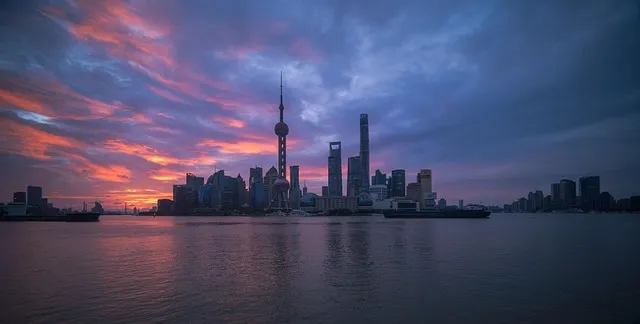
Shanghai's Climate and Best Seasons to Visit
Shanghai experiences a humid subtropical climate with four distinct seasons. Understanding the seasonal patterns is key to planning a comfortable and enjoyable trip.
Spring (March to May): The Top Contender
Spring is widely considered the absolute best time to visit Shanghai. The weather is exceptionally pleasant, with gradually warming temperatures, lower humidity, and plenty of sunny days.
- Weather: Temperatures range from a cool 50°F (10°C) in early March to a warm 75°F (24°C) by late May. Rainfall is moderate.
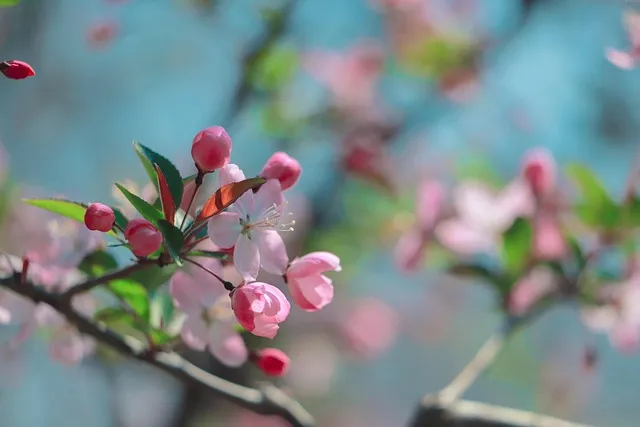
- Pros: The city bursts into color with blooming flowers, especially peach and cherry blossoms in parks like Gucheng Park. It's perfect for long walks along the Bund or through the French Concession.
- Cons: Late spring can see increased tourist numbers, and prices may rise around Labor Day (early May).
- Key Event: The Shanghai International Flower Show in April/May is a highlight for nature lovers.
Autumn (September to November): A Close Second
Autumn is neck-and-neck with spring as the premier time for a Shanghai visit. The summer heat and humidity dissipate, leaving clear, crisp air and comfortable temperatures.
- Weather: Starts warm in September (around 80°F/27°C) and cools to a mild 55°F (13°C) by November. It is generally dry and sunny.
- Pros: Excellent visibility makes for stunning photography, especially of the modern skyline in Pudong. It's an ideal season for food tours to sample seasonal delicacies like hairy crab.
- Cons: The National Day "Golden Week" holiday (Oct 1-7) brings massive domestic crowds; avoid this week if possible.
- Key Event: The Shanghai Tourism Festival in September features parades and cultural performances.
Summer (June to August): Hot, Humid, and Lively
Summer in Shanghai is characterized by intense heat, high humidity, and frequent afternoon thunderstorms or rain showers.
- Weather: Hot and muggy, with average highs of 90°F (32°C) and high humidity. This is also the typhoon season, primarily affecting July and August.
- Pros: Lively atmosphere, longer daylight hours, and major sales shopping periods. Indoor attractions like the Shanghai Museum or the spectacular Planetarium are great escapes from the heat.
- Cons: The heat and humidity can be oppressive for extensive outdoor exploration. Air quality can also be poorer during this season.
Winter (December to February): Cold and Less Crowded
Winter is Shanghai's low season for tourism. While chilly, it offers a different, more local experience.
- Weather: Cold and damp, with temperatures averaging 30-50°F (-1 to 10°C). Occasional sleet or light snow is possible, and the dampness can make it feel colder.
- Pros: Significantly fewer tourists, lower hotel rates, and a chance to experience Chinese New Year (late Jan/early Feb) decorations and festivities if your visit coincides.
- Cons: The cold can be biting, and some garden attractions like Yu Garden lose their lush greenery. Many attractions have shorter hours.
Monthly Breakdown and Travel Tips
Here’s a quick monthly guide to help you pinpoint your perfect travel dates:
- March-May: Peak season. Perfect weather. Book flights and hotels well in advance.
- June-August: Off-peak for Western tourists. Pack light, breathable clothing, an umbrella, and prepare for rain. Focus on indoor/early morning activities.
- September-November: Peak season. Ideal for outdoor exploration and photography. Try to schedule around Golden Week.
- December-February: Low season. Pack warm, layered clothing and a waterproof jacket. Enjoy holiday markets and festive lights.

Regardless of when you visit, a few universal tips apply:
- Visa: Most travelers need a visa to enter China. Apply well in advance of your trip.
- Apps: Download essential apps like a VPN (to access Google services), Didi (ride-hailing), and WeChat Pay/AliPay for digital payments.
- Transport: Purchase a Shanghai Public Transportation Card for easy access to the extensive and efficient metro system.
Frequently Asked Questions (FAQ)
What is the worst time to visit Shanghai? The most challenging time for most visitors is the peak of summer (July and August) due to the intense heat, high humidity, and potential typhoons, or during the National Day Golden Week in October due to overwhelming crowds.
Is Shanghai expensive to visit? Shanghai can be as expensive or as budget-friendly as you make it. Luxury hotels and fine dining are costly, but affordable accommodations, inexpensive local eateries, and cheap public transport are widely available. It is generally more expensive than other Chinese cities but comparable to other major global metropolises.
How many days do I need in Shanghai? A stay of 3-4 days is typically sufficient to see the major highlights at a comfortable pace, including the Bund, Yu Garden, Pudong skyscrapers, and a museum or two.
What should I pack for a spring or autumn visit? Pack layers! Mornings and evenings can be cool, while afternoons are warm. Include a light jacket, sweaters, comfortable walking shoes, and an umbrella for occasional showers.
Is it easy to get around Shanghai without speaking Mandarin? In major tourist areas, hotels, and metro stations, you will find some English signage and staff. However, learning a few basic Mandarin phrases or using a translation app is highly recommended for smoother interactions with taxi drivers and at local restaurants.
Conclusion
Determining the best time to visit Shanghai ultimately depends on your personal preferences. For picture-perfect weather and full access to outdoor attractions, aim for the shoulder months of April-May or September-October. If you prioritize budget and don't mind the cold, winter offers a crowd-free experience, while summer adventurers can embrace the city's vibrant, steamy energy. Whenever you choose to go, Shanghai's unparalleled blend of history, innovation, and culture promises an unforgettable journey. With careful planning aligned with the seasons, you're set to discover the magic of China's most dynamic city.
Related Articles
Cover image coming soon
Best Time to Visit Thailand
Discover the best time for visit thailand. Complete guide with expert tips and data-driven insights.

best time to visit walt disney world in florida

when is the best time to go to costa rica

best time to visit redwood national park

best time to visit the galapagos islands
