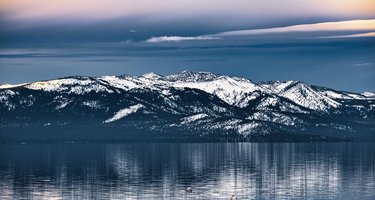
best time to visit shimla in india
The Best Time to Visit Shimla, India: Your Complete Seasonal Guide
Nestled in the foothills of the Himalayas, Shimla is more than just a destination; it's an experience. As the former summer capital of British India, this enchanting hill station has long been a sanctuary from the heat of the plains, offering colonial charm, panoramic mountain vistas, and crisp, pine-scented air. But with its distinct seasons, each painting the town in a different light, choosing the best time to visit Shimla can define your entire trip. Whether you're dreaming of a snowy winter wonderland, a vibrant spring bloom, or the perfect summer escape, timing is everything.
The answer to the best time to visit Shimla depends entirely on the experience you seek. For classic pleasant weather ideal for sightseeing and outdoor activities, the months from March to June (Spring and Summer) are widely considered the peak and best season. However, if you're enchanted by snow and festive charm, the winter months of December and January offer a magical, albeit colder, alternative. The monsoon period from July to September brings lush greenery but also significant rainfall, making it the least recommended time for most travelers. Let's break down what each season in Shimla has to offer.
Shimla's Seasons at a Glance: A Quick Overview
Before diving into the details, here’s a snapshot of what to expect throughout the year in Shimla:
- Spring (March - April): Pleasant days, cool nights, blooming flowers. Ideal for trekking.
- Summer (May - June): Peak tourist season. Warm days, mild evenings, perfect for escaping the plains' heat.
- Monsoon (July - September): Heavy rainfall, lush landscapes, fewer crowds. Risk of landslides.
- Autumn (October - November): Clear skies, post-monsoon freshness, great for photography.
- Winter (December - February): Very cold, with chances of snow (especially Jan-Feb). A festive, magical atmosphere.
The Prime Season: Spring and Summer (March to June)
This period is unanimously the best time to go to Shimla for most visitors, especially first-timers. The weather is at its most hospitable, making it perfect for exploring the town's many attractions.
Weather and Experience
Temperatures range from a comfortable 15°C (59°F) to 30°C (86°F) during the day, with nights being pleasantly cool. The skies are generally clear, offering stunning views of the snow-capped peaks in the distance. This is the ideal Shimla travel season for walking the historic Mall Road, visiting the Viceregal Lodge, taking the toy train to Kalka, and exploring nearby destinations like Kufri and Chail.
Pros of Visiting in Spring/Summer
- Perfect Sightseeing Weather: Enjoy long days of exploration without extreme heat or cold.
- All Roads and Trails are Open: Access to nearby attractions and trekking paths like the one to Jakhoo Temple is unrestricted.
- Vibrant Atmosphere: The town is lively with street performers, open cafes, and bustling markets.
- Ideal for Outdoor Activities: Best time for trekking, camping, and nature walks.
Cons and Considerations
- Peak Crowds: This is the peak season in Shimla. Hotels and flights get booked months in advance, and prices are at their highest.
- Book in Advance: To secure good accommodation and the toy train, booking 3-4 months ahead is crucial.
The Snowy Wonderland: Winter (December to February)
For those who don't mind the cold, winter transforms Shimla into a picture-postcard best time for snow in Shimla, particularly in January and February.
Weather and Experience
Temperatures can plummet between -2°C (28°F) and 10°C (50°F). While Shimla itself receives sporadic snowfall, nearby hill stations like Kufri and Narkanda are more reliable for heavy snow. This season is magical, with frost-covered deodar trees, cozy evenings by the fireplace, and a festive glow around Christmas and New Year.
Pros of Visiting in Winter
- Snow Experience: Chance to play in the snow and enjoy winter sports in nearby areas.
- Festive Spirit: Experience Christmas and New Year celebrations in a classic hill station setting.
- Unique Photography: The landscape under a blanket of snow is breathtaking.
- Lower Prices (Excluding Holidays): Outside the Christmas-New Year week, hotel rates can be more affordable.
Cons and Considerations
- Extreme Cold: Requires heavy woolens and can be challenging for some travelers.
- Travel Disruptions: Roads can be blocked due to snow or ice, and the toy train service may be delayed or canceled.
- Limited Activities: Some outdoor trails and attractions may be less accessible.
The Green Escape: Monsoon (July to September)
The monsoon breathes life into the hills, turning everything a vibrant emerald green. However, it comes with significant challenges that make it the least ideal Shimla visiting month for conventional tourism.
Weather and Experience
Shimla receives heavy to moderate rainfall, with July and August being the wettest. The humidity is high, and the region is prone to landslides and fog, which can obscure the famous views.
Pros of Visiting in Monsoon
- Lush Scenery: The hills are incredibly green and fresh, with gushing waterfalls.
- No Crowds: You'll have popular spots largely to yourself.
- Budget-Friendly: Hotels offer significant discounts during this off-season period.
Cons and Considerations
- Heavy Rainfall: Daily rains can disrupt travel plans and outdoor activities.
- Landslide Risk: Road travel can be dangerous and unpredictable.
- Limited Views: Persistent fog and clouds often hide the mountain vistas.
The Quiet Contender: Autumn (October to November)
A short but sweet season, autumn is a hidden gem for savvy travelers. The monsoon rains have cleansed the air, leaving behind crystal-clear skies and a refreshing atmosphere.
Weather and Experience
Days are sunny and mild (10°C to 22°C), while nights start getting chilly, especially in November. It’s an excellent time for sightseeing in Shimla with excellent visibility for photography and fewer tourists than in summer.
Pros of Visiting in Autumn
- Pleasant Weather: Clear, sunny days perfect for exploration.
- Great Visibility: Unobstructed, stunning views of the Himalayas.
- Post-Monsoon Discounts: Good hotel deals continue from the monsoon season.
- Ideal for Trekking: Cool, stable weather is perfect for hiking.
Cons and Considerations
- Chilly Evenings: Requires packing some warm layers.
- Transitional Period: Some services may scale down as the tourist season winds down.
Month-by-Month Breakdown & Key Events
- January: Coldest month, peak chance of snow. Celebrate New Year and Lohri festival.
- February: Still very cold, good for snow. Hosts the Shimla Winter Carnival.
- March: Start of pleasant weather. Spring blooms appear.
- April: Excellent weather. A great time to visit before the summer rush.
- May: Beginning of peak summer season. Warm and crowded.
- June: Peak tourist influx. Ideal for families on summer vacation.
- July: Start of monsoon. Heavy rains begin.
- August: Wettest month. Lush but challenging for travel.
- September: Rains start to recede. Greenery is at its peak.
- October: One of the best months. Clear skies, comfortable weather, and the festive vibe of Dussehra.
- November: Days are pleasant, nights cold. Beautiful autumn colors.
- December: Festive month with Christmas markets. Turns very cold, with possible late-month snow.
Final Verdict: When Should You Plan Your Trip?
So, what is the best time of year to visit Shimla?
- For Perfect Weather & First-Timers: April to June is your best bet. You'll get the full, accessible Shimla experience.
- For Snow Lovers & a Magical Vibe: Late December to February is the time to go, but be prepared for the cold.
- For Budget Travelers & Solitude: September to November (post-monsoon) offers a fantastic balance of good weather and lower prices.
- Avoid if Possible: The core monsoon months of July and August due to travel disruptions.
Ultimately, Shimla is a year-round destination with a unique charm for every season. By aligning your visit with your personal preferences for weather, activities, and crowd tolerance, you can ensure your trip to the "Queen of Hill Stations" is nothing short of unforgettable.
Related Articles

best time to visit mall of america

best time to visit maine for seafood
Best Time to Go to Ireland
Discover the best time for go to ireland. Complete guide with expert tips and data-driven insights.
best time to visit leu gardens

best time to visit las vegas 2026