what is the best time to visit china
China, a vast and diverse nation stretching from the Siberian border to the tropics of the South China Sea, offers an incredible array of experiences. Determining the single best time to visit is a complex question, as the ideal period depends heavily on your destination, interests, and tolerance for crowds and weather. Generally, the most pleasant and popular times to visit much of the country are during the shoulder seasons of spring (April to early June) and autumn (September to October). These months typically offer mild temperatures, lower humidity, and stunning natural scenery, from blooming flowers to golden foliage. However, China's immense size means weather patterns vary dramatically, making regional planning essential for any traveler.
Understanding China's Seasons and Regional Climates
China's climate is dominated by monsoons, leading to hot, wet summers and cold, dry winters in most regions. To plan effectively, it's best to think of the country in four key zones.
1. Spring (March to May)
Spring is a season of renewal and is widely considered one of the best times to visit central, eastern, and southern China.
- Weather: Temperatures become comfortably warm. However, late spring can bring increased rainfall, especially in the south.
- Highlights: This is the prime season for iconic cherry and peach blossoms. Cities like Shanghai, Hangzhou, and Beijing are particularly beautiful. The Labor Day holiday (early May) is extremely busy with domestic tourism.
- Best For: Garden visits, hiking, cultural tours, and photography.
2. Summer (June to August)
Summer is peak tourist season, characterized by heat, humidity, and heavy rains, but also vibrant energy and access to high-altitude regions.
- Weather: Hot and humid across most of the country, with the "plum rain" season affecting the Yangtze River Delta in June/July. Western China (Tibet, Xinjiang) is pleasantly warm and dry.
- Highlights: Lush green landscapes, vibrant festivals, and ideal conditions for exploring the Tibetan Plateau and Silk Road cities.
- Considerations: Be prepared for crowds, higher prices, and occasional typhoons affecting the southern and eastern coasts.

3. Autumn (September to November)
Autumn rivals spring as the best overall time to visit. The weather is consistently pleasant, with clear skies and minimal rain.
- Weather: Crisp air, comfortable temperatures, and low humidity. It's the driest season in many parts of the country.
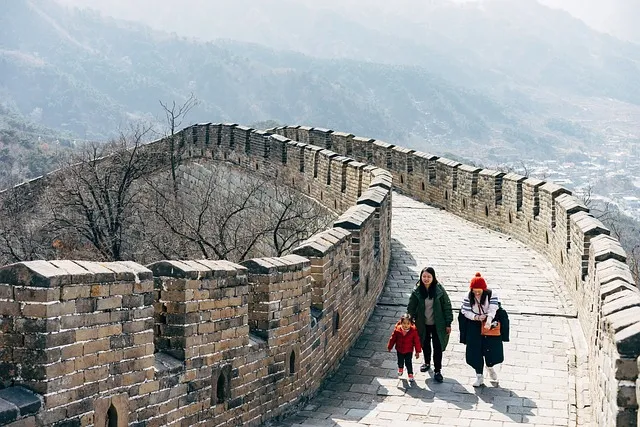
- Highlights: Stunning autumn foliage in places like the Yellow Mountains (Huangshan), the Great Wall, and Jiuzhaigou Valley. The Mid-Autumn Festival is a cultural delight.
- Best For: Hiking, visiting historical sites, photography, and enjoying outdoor festivals. The National Day "Golden Week" (Oct 1-7) is the busiest travel period in China—avoid if possible.
4. Winter (December to February)
Winter offers a completely different perspective, with fewer tourists and unique seasonal activities, though it can be bitterly cold in the north.
- Weather: Cold and dry in the north (Beijing can drop below freezing). The south is cooler and damp. Harbin hosts its world-famous Ice and Snow Festival.
- Highlights: The Harbin Ice Festival, lower prices, and crowd-free visits to major landmarks like the Forbidden City. Southern regions like Yunnan and Hainan Island remain mild and sunny.
- Best For: Winter sports, festival enthusiasts (Chinese New Year/Spring Festival), and travelers seeking deals, though note that Spring Festival travel is chaotic.
Practical Tips for Timing Your Trip
Beyond weather, several practical factors should influence your decision on when to visit China.
- Major Public Holidays: Avoid travel during Chinese New Year (Spring Festival), Labor Day (May 1-5), and National Day (Oct 1-7). Transportation is packed, attractions are overwhelmed, and prices skyrocket. These are times for family, not for hassle-free tourism.
- Crowd Levels: Shoulder seasons (spring/autumn) offer the best balance. Summer has the most tourists, especially students and families. Winter has the fewest, excluding holiday weeks.
- Cost: Hotel and flight prices follow demand. Expect peak prices in summer and during holidays. The best value is often found in late autumn (November) and early winter (December, post-New Year).
- Your Interests:
- Hikers & Nature Lovers: Aim for May-June or September-October.
- Culture & History Buffs: Spring and autumn provide comfortable weather for exploring outdoor sites.
- Skiers & Winter Festival Fans: Target December-February for Harbin and northern resorts.
- Beach Vacationers: Head to tropical Hainan Island between November and March.

Frequently Asked Questions (FAQ)
Q: What is the absolute worst time to visit China? A: The week of Chinese New Year (dates vary between Jan-Feb) is challenging for foreign tourists due to massive domestic migration, closed businesses, and logistical nightmares. The National Day Golden Week (Oct 1-7) is similarly crowded at all major sites.
Q: Is summer too hot and rainy to enjoy a trip? A: It can be uncomfortable in eastern and southern cities like Beijing, Shanghai, and Guangzhou. However, it's the perfect time to visit western China (Tibet, Qinghai, Silk Road), where the weather is dry and mild. Always carry rain gear and prepare for high humidity.
Q: When should I go to see the Great Wall with fewer crowds? A: Visit on a weekday, either early in the morning or later in the afternoon. In terms of seasons, late autumn (November) or winter (on a clear day) offers thinner crowds and dramatic scenery, though it will be cold.
Q: I want to see the pandas in Chengdu. When should I go? A: Pandas are active year-round. Spring (April-May) and autumn (September-October) offer the most pleasant weather in Sichuan province for your visit. Summer can be hot and humid, while winter is chilly but less crowded.
Q: How far in advance should I book my trip? A: For the best flight and hotel deals, aim to book 3-6 months in advance, especially if traveling during peak seasons (spring, autumn, summer holidays). For travel during Chinese public holidays, book even earlier.
Conclusion
The "best" time to visit China is not a one-size-fits-all answer. For a first-time visitor aiming to see classic destinations like Beijing, Xi'an, Shanghai, and Guilin, the autumn months of September and October provide the most reliable and pleasant conditions. For those seeking blooming flowers and vibrant green landscapes, late April through May is ideal. Adventurers heading to the Tibetan plateau or the deserts of the Silk Road will find summer perfect, while winter unlocks a frosty fairy tale in the north and respite in the tropical south. By aligning your travel dates with regional climates and steering clear of major public holidays, you can ensure your journey to the Middle Kingdom is both comfortable and unforgettable.
Related Articles
Cover image coming soon
Best Time to Visit Thailand
Discover the best time for visit thailand. Complete guide with expert tips and data-driven insights.

best time to visit walt disney world in florida

when is the best time to go to costa rica

best time to visit redwood national park

best time to visit the galapagos islands
