best place and time to see northern lights in iceland
Witnessing the Northern Lights, or Aurora Borealis, is a bucket-list experience for many travelers, and Iceland stands as one of the world's premier destinations to chase this celestial spectacle. The combination of its location within the Aurora Oval, dark skies, and stunning natural landscapes creates an unforgettable backdrop for the dancing green, purple, and pink hues. Knowing the best place and time to see northern lights in Iceland is crucial for maximizing your chances of a successful sighting. This guide combines practical advice with expert insights to help you plan your 2024/2025 aurora adventure.
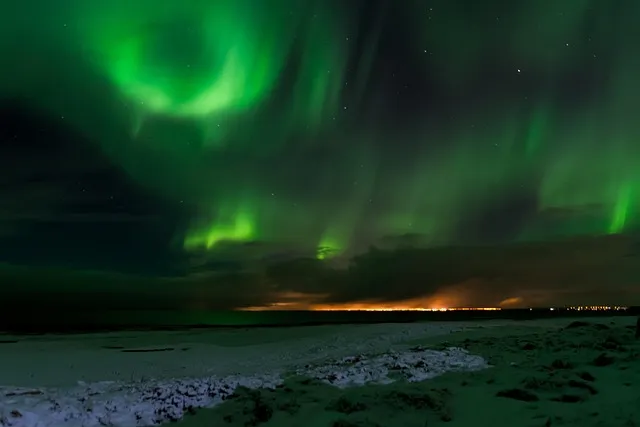
The Best Time to See the Northern Lights in Iceland
Timing is everything when hunting for the Aurora Borealis. While the lights are active year-round, they are only visible to the human eye under specific conditions of darkness and clear skies.
The Ideal Season: September to Mid-April The core season spans from late August/early September through mid-April. During these months, Iceland experiences sufficient darkness—at least 4-5 hours of true night—which is essential for visibility.
- September & October: These months offer a sweet spot with milder temperatures, relatively stable weather, and increasing darkness. The autumn equinox (around September 22) is often associated with heightened solar activity.
- November to February: This is the peak period for darkness, with up to 20 hours of night around the winter solstice. This provides a long nightly window for aurora hunting, though weather is most volatile with frequent snowstorms.
- March & Early April: Another excellent window, offering a balance of dark nights, slightly more stable weather than deep winter, and the chance to combine aurora viewing with longer daylight hours for other activities.
Key Factors for Timing Your Visit:
- Solar Activity: The lights are caused by solar particles interacting with Earth's atmosphere. Monitor the KP Index, a scale from 0-9 that measures geomagnetic activity. A KP index of 3 or higher is typically needed for strong displays in Iceland.
- Darkness: You need a clear, dark sky. Avoid the midnight sun period from mid-April to August, when it never gets dark enough to see the aurora.
- Weather: Clear or partly cloudy skies are non-negotiable. Iceland's weather changes rapidly, so patience and flexibility are key.
The Best Places to See the Northern Lights in Iceland
While a strong aurora can be seen from anywhere in the country on a clear night, certain locations offer better odds due to reduced light pollution and breathtaking scenery.

1. The Golden Circle & South Coast This popular region offers excellent accessibility from Reykjavik.
- Þingvellir National Park: A UNESCO site with vast, open skies away from city lights.
- Jökulsárlón Glacier Lagoon: Often called the "Crown Jewel of Iceland," seeing the aurora shimmer over the icebergs is a truly magical experience.
- Vik's Black Sand Beaches: The contrast of the lights against the black sand and sea stacks like Reynisfjara is dramatic.
2. The Snæfellsnes Peninsula Known as "Iceland in Miniature," this western peninsula provides diverse backdrops, from the iconic Kirkjufell mountain to rugged coastlines, all under dark skies.
3. Remote Northern Regions For the darkest skies and longest viewing seasons, head north.
- Lake Mývatn: The geothermal area and volcanic landscapes create a unique setting for the lights.
- Akureyri: Iceland's "Capital of the North" offers a good base with access to dark rural areas just minutes from town.
- The Westfjords: Extremely remote with minimal light pollution, ideal for serious photographers and those seeking solitude.
4. Reykjavik and Surroundings While city lights hinder viewing, a strong aurora can sometimes be seen from the city. For better odds, head to nearby spots:
- Grótta Island Lighthouse: A popular local spot on the Seltjarnarnes peninsula.
- Þingvellir National Park: Just a 45-minute drive from the capital.
Practical Tips for a Successful Northern Lights Hunt
Planning and preparation will significantly increase your chances of a memorable sighting.
- Stay Multiple Nights: Dedicate at least 4-7 nights to your aurora hunt to account for cloudy weather.
- Check the Forecasts Daily: Use reliable resources like the Icelandic Met Office (for cloud cover and aurora forecast) and Space Weather Live (for KP index and solar activity).
- Consider a Guided Tour: Expert guides know the best local spots, monitor conditions in real-time, and will drive you to clear patches of sky. They often offer a free repeat tour if you don't see the lights.
- Dress for Success: Icelandic winter is bitterly cold, especially at night. Wear thermal layers, a windproof and waterproof outer shell, insulated gloves, a warm hat, and sturdy, warm boots. Hand and foot warmers are highly recommended.
- Be Patient and Flexible: The lights often appear between 9 PM and 2 AM, but can show at any time after dark. Be prepared to wait and be ready to change locations if clouds roll in.
- Photography Tips: Use a tripod, a wide-angle lens, and a camera capable of manual settings. Start with an ISO of 1600-3200, aperture as wide as possible (e.g., f/2.8), and a shutter speed of 5-15 seconds. Use a remote shutter release or timer to avoid camera shake.
Frequently Asked Questions (FAQ)
Q: Can I see the Northern Lights in Reykjavik? A: Yes, during periods of very high solar activity (KP 5+), but light pollution significantly reduces visibility and intensity. For the best experience, travel outside the city limits.
Q: What is the best month to see the Northern Lights in Iceland? A: There is no single "best" month, as it depends on solar activity and weather. However, the months of September-October and March-April often provide a good balance of darkness, aurora activity, and somewhat more manageable weather than the deep winter months.
Q: Do I need to rent a car to see the Northern Lights? A: Not necessarily. While a 4x4 vehicle offers maximum flexibility to chase clear skies, joining a guided tour from Reykjavik or another town is an excellent and safe alternative, especially for those unfamiliar with winter driving conditions.
Q: What happens if it's cloudy every night of my trip? A: Cloud cover is the most common reason for missing the aurora. This is why a longer stay is recommended. Many guided tours offer a "lights-free" guarantee, allowing you to rejoin another tour for free if you don't see them on your first attempt.
Q: Are the Northern Lights guaranteed? A: No, seeing the Northern Lights is never guaranteed. It is a natural phenomenon dependent on solar activity, geomagnetic storms, and local weather conditions. Managing expectations is an important part of the adventure.
Conclusion
Experiencing the Northern Lights in Iceland is a profound adventure that combines natural science with sheer wonder. By targeting the optimal window from September to mid-April, prioritizing locations with dark, clear skies like the South Coast, Snæfellsnes, or the remote north, and coming prepared with the right gear and realistic expectations, you dramatically increase your odds of success. Remember to monitor aurora forecasts, embrace the unpredictability of Icelandic weather, and savor the entire experience—the crisp Arctic air, the stunning landscapes, and the thrilling anticipation of gazing upward. With careful planning and a bit of luck, you’ll be rewarded with one of nature’s most breathtaking displays.
Related Articles
Cover image coming soon
Best Time to Visit Thailand
Discover the best time for visit thailand. Complete guide with expert tips and data-driven insights.
best time to visit walt disney world in florida

when is the best time to go to costa rica
best time to visit redwood national park
best time to visit the galapagos islands
