best time of year to visit glacier national park
Glacier National Park, often called the "Crown of the Continent," is a breathtaking wilderness of jagged peaks, pristine alpine lakes, ancient glaciers, and abundant wildlife in Montana. Choosing the best time of year to visit Glacier National Park is crucial, as the experience varies dramatically with the seasons. Your ideal time depends on your priorities: hiking the iconic Going-to-the-Sun Road, avoiding crowds, witnessing wildflowers, or experiencing a winter wonderland. This guide breaks down each season to help you plan your perfect 2024 or 2025 adventure.
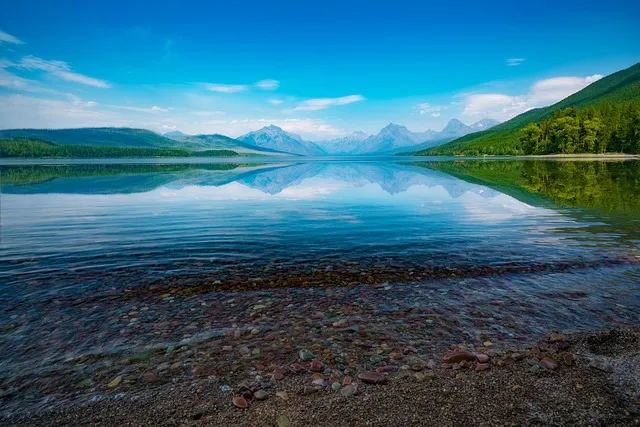
Seasonal Breakdown: Weather, Crowds, and Activities
Glacier’s high-altitude environment means weather is unpredictable, but each season offers distinct advantages and challenges. Here’s a detailed look at what to expect throughout the year.
Summer (Late June – Early September): Peak Season for Access
Summer is the most popular and accessible time to visit. This is when the park fully opens up.
- Weather & Conditions: Daytime temperatures range from 70°F to 80°F (21°C to 27°C) in the valleys, but can be cooler at higher elevations. Afternoon thunderstorms are common. Crucially, the full Going-to-the-Sun Road typically opens in late June or early July and remains open until mid-October.
- Crowds: This is peak tourist season. Lodges, campgrounds, and popular trailheads fill up months in advance. Expect busy parking lots, especially at Logan Pass.
- Best For: Hikers, backpackers, families, and first-time visitors. All trails are snow-free, ranger programs are in full swing, and boat tours on lakes like St. Mary and Two Medicine are operational.
- Key Consideration: You must have a vehicle reservation for Going-to-the-Sun Road and the North Fork from late May through early September if entering between 6 AM and 3 PM. These are released months in advance and 24 hours prior.
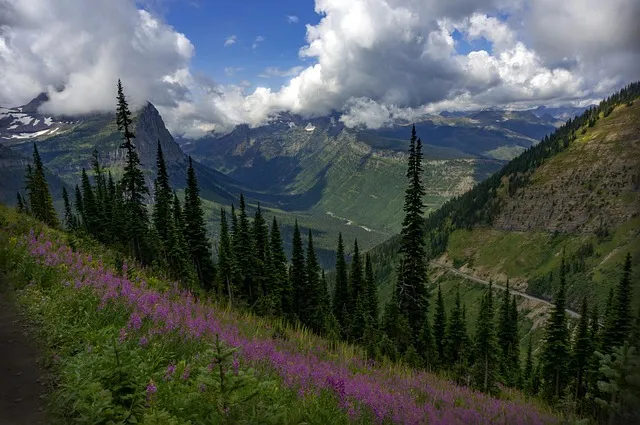
Fall (Mid-September – October): For Solitude and Color
Fall is a spectacular and underrated time to experience Glacier, especially for photographers and those seeking tranquility.
- Weather & Conditions: Days are crisp (50°F-60°F / 10°C-15°C) and nights dip below freezing. Early snow is possible. The larch trees turn a brilliant gold in late September, and the alpine meadows take on autumn hues.
- Crowds: Dramatically decrease after Labor Day. You’ll find solitude on trails and easier access to accommodations.
- Best For: Photographers, wildlife viewers (elk are in rut), and experienced hikers comfortable with variable weather. Vehicle reservations are no longer required, offering more flexibility.
- Key Consideration: Services, lodging, and campgrounds begin closing in stages throughout September and October. Always check the NPS website for current status.
Winter (November – April): A Silent Wilderness
Winter transforms Glacier into a serene, snow-covered paradise, but it is a season for the prepared and adventurous.
- Weather & Conditions: Heavy snowfall is the norm. Temperatures often stay below freezing, with sub-zero temps possible. The Going-to-the-Sun Road is closed beyond Lake McDonald Lodge (west side) and St. Mary (east side).
- Crowds: Virtually non-existent. You’ll have vast landscapes to yourself.
- Best For: Cross-country skiing, snowshoeing, and winter photography. The Apgar and St. Mary areas offer limited winter access for these activities.
- Key Consideration: Most visitor services are closed. Access is extremely limited, and self-reliance, proper gear, and avalanche awareness are essential.
Spring (May – Mid-June): The Season of Transition
Spring is a time of dramatic change as the park thaws, but it comes with significant access limitations.
- Weather & Conditions: Unpredictable—you can experience sunshine, rain, and snow all in one day. Valleys turn green with wildflowers by June, but high country trails remain snow-covered.
- Crowds: Light, except for holiday weekends. It’s a quiet time before the summer rush.
- Best For: Wildlife watching (animals are active at lower elevations), cyclists (who can ride on the plowed but closed-to-cars sections of Going-to-the-Sun Road), and visitors who don’t mind limited trail access.
- Key Consideration: The Going-to-the-Sun Road is in the "plowing phase," meaning it is not fully open. Hiking options are limited to lower-elevation trails.
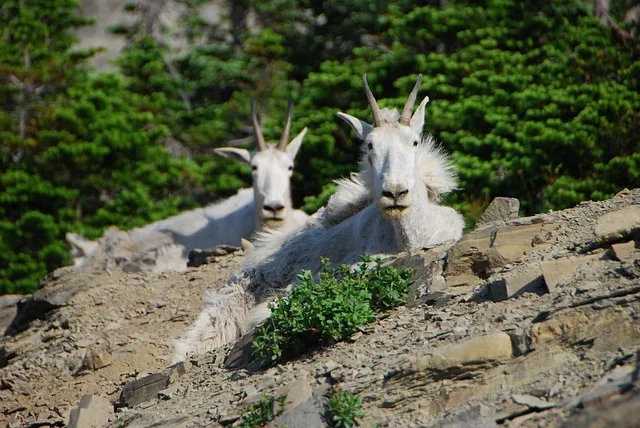
Practical Tips for Planning Your Visit
No matter when you go, advance planning is key to a successful trip to Glacier.
- Book Accommodations Early: Lodges inside the park (Many Glacier, Lake McDonald, Rising Sun) often book up a year in advance for summer. Nearby gateway towns like Whitefish, Kalispell, and St. Mary offer alternatives.
- Understand the Reservation System: For summer 2024/2025, the Vehicle Reservation Service is critical for entering specific areas of the park during peak hours. Check the official National Park Service (NPS) website for the latest dates and rules.
- Prepare for All Weather: Pack layers, including a waterproof jacket, even in summer. Sturdy hiking boots are a must.
- Prioritize Safety: Glacier is bear country. Always carry bear spray, know how to use it, and hike making noise. Stay on trails and maintain a safe distance from all wildlife.
- Have a Backup Plan: Popular trailhead parking fills by sunrise in summer. Have alternative hikes or activities in mind.
Frequently Asked Questions (FAQ)
Q: What is the absolute best month to visit Glacier National Park? A: For the ideal balance of great weather, full park access, and wildflower blooms, July and August are top contenders. However, for fewer crowds and stunning fall colors, September is arguably the best overall month.
Q: When does Going-to-the-Sun Road open? A: The road's opening depends on snowplow progress and varies yearly. It is typically fully open by late June or early July and closes for the season between mid-October and November. Always check current road status before your trip.
Q: Do I need a reservation just to enter Glacier National Park? A: You always need a park pass (7-day vehicle pass or annual pass). Additionally, from late May through early September, you need a separate Vehicle Reservation to enter the Going-to-the-Sun Road corridor, North Fork, or Many Glacier areas between 6 AM and 3 PM.
Q: Is Glacier National Park good for a family vacation? A: Yes, especially in summer. Ranger-led junior ranger programs, easy trails like Trail of the Cedars, boat tours, and the Red Bus tours offer fantastic family-friendly activities. Plan ahead for kid-friendly lodging and meals.
Q: What should I do if my desired time is fully booked? A: Consider visiting in the shoulder seasons (late September or June). Alternatively, stay in a gateway community and focus on areas of the park that may not require a vehicle reservation, like Two Medicine or the Camas Road entrance.
Conclusion
Determining the best time of year to visit Glacier National Park ultimately hinges on your personal travel style. Summer delivers the classic, full-access experience despite the crowds. Fall offers breathtaking beauty and solitude. Winter provides a profound wilderness experience for the intrepid, while Spring is a quiet season of renewal. Whenever you choose to go, arriving prepared with reservations, proper gear, and realistic expectations will ensure your visit to this majestic crown of the continent is unforgettable. Start planning early, and get ready to explore one of America's most stunning national treasures.
Related Articles
Cover image coming soon
Best Time to Visit Thailand
Discover the best time for visit thailand. Complete guide with expert tips and data-driven insights.

best time to visit walt disney world in florida
when is the best time to go to costa rica
best time to visit redwood national park
best time to visit the galapagos islands
