best time to see northern lights in iceland
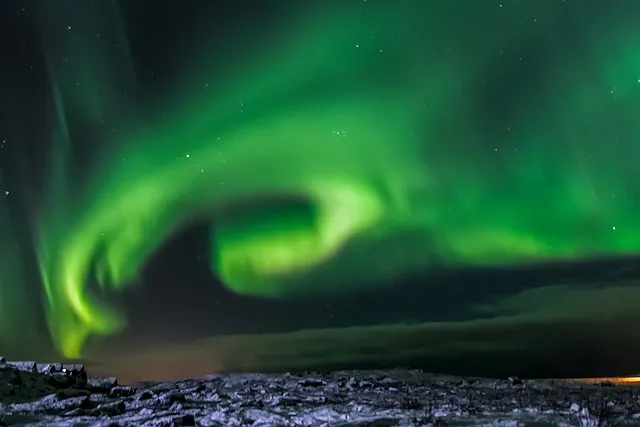
Witnessing the Northern Lights, or Aurora Borealis, is a bucket-list experience for many travelers, and Iceland is one of the world's premier destinations to see this celestial spectacle. The dancing green, purple, and pink ribbons across the Arctic sky are a truly magical sight. However, timing your trip correctly is crucial, as the lights are a natural phenomenon dependent on specific conditions. The best time to see the Northern Lights in Iceland is during the winter months, from late September through early April, when the nights are longest and darkest. This period offers the optimal window for auroral activity, but success depends on a combination of solar activity, clear skies, and a bit of luck. This guide will break down the ideal seasons, months, and practical tips to maximize your chances of a memorable display.
The Optimal Season: Iceland's Aurora Window
The Northern Lights are caused by charged particles from the sun colliding with gases in Earth's atmosphere, a process that is visible near the magnetic poles. In Iceland, the key ingredient is darkness, which is why the aurora season is confined to the fall, winter, and early spring.
- Peak Season (Late September to March): This is the undisputed best time to hunt for the lights. The nights are very long, providing a wide window of darkness (from around 6 PM to 6 AM or more). Solar activity also tends to be more frequent during the equinox months (September and March), potentially leading to stronger displays.
- Shoulder Seasons (September & April): These months can be excellent choices. September offers milder weather and the beginning of true darkness, while April still provides dark nights, especially in the early part of the month, with slightly better weather odds than deep winter.
- Off-Season (May to August): It is virtually impossible to see the Northern Lights during the Icelandic summer due to the Midnight Sun. The sky never gets dark enough for the aurora to be visible to the human eye.
Month-by-Month Breakdown
- September & October: Excellent time to start the season. Weather is relatively mild, roads are generally open, and you have good chances of clear skies. The autumn colors add beautiful scenery.
- November, December, January: The heart of winter. Nights are at their longest (with nearly 24 hours of darkness in December in the north). This maximizes your potential viewing time. However, this also brings the most challenging weather with frequent snowstorms and cloud cover, which can obstruct the view.
- February & March: Often considered the sweet spot. Daylight is returning, making daytime exploration more pleasant, but nights remain sufficiently dark. March, in particular, is famed for strong auroral activity and more stable weather patterns than December or January.
- April: A final chance for the season. The first half of the month can still offer dark enough skies, especially away from city lights, and you'll experience longer days for other adventures.
How to Maximize Your Chances of Seeing the Lights
Knowing the best time is only half the battle. Successfully viewing the Aurora Borealis requires planning and patience.
1. Check the Aurora Forecast: Iceland's official Aurora Forecast (vedur.is) is your most important tool. It provides a 0-9 scale for auroral activity (KP index) and, critically, a cloud cover forecast. A high KP index with clear skies is the ideal combination.
2. Escape Light Pollution: Get away from Reykjavik and other towns. Even a short 15-30 minute drive into the countryside can make a dramatic difference. Popular dark-sky areas include Þingvellir National Park, the Reykjanes peninsula, or the South Coast.
3. Prioritize Clear Skies: A strong aurora is invisible behind clouds. Be flexible with your schedule and be prepared to chase clear patches. Many tour operators excel at this and will adjust their route based on real-time weather data.
4. Be Patient and Stay Warm: The lights can appear anytime during dark hours and may come in waves. Dress in multiple thermal layers, with a windproof and waterproof outer shell, insulated boots, gloves, and a hat. Plan to be outside for extended periods.
5. Consider a Guided Tour: Especially for first-time visitors, a Northern Lights tour is highly recommended. Expert guides understand the forecasts, know the best local spots, and increase your odds significantly. They also handle the driving on potentially icy roads.
Beyond the Aurora: What Else to Know
While the Northern Lights are the star attraction, your trip should encompass more. Winter in Iceland offers incredible experiences like exploring ice caves, soaking in the Blue Lagoon or other geothermal pools, and witnessing stunning frozen waterfalls. Summer, while devoid of auroras, is the time for hiking, midnight sun photography, and accessing the remote Highlands.
Remember, the Northern Lights are a natural phenomenon and never guaranteed. Managing expectations is key—view any sighting as a wonderful bonus to an already spectacular destination.
Frequently Asked Questions (FAQ)
Q: Can you see the Northern Lights in Reykjavik? A: Yes, it is possible during strong displays, but light pollution significantly dims the view. For the best experience, you should travel away from the city lights.
Q: How many nights do I need in Iceland to see the lights? A: It's recommended to stay for a minimum of 5-7 nights during aurora season. This gives you multiple chances to account for cloudy or inactive nights, greatly improving your probability.
Q: What time of night is best to see them? A: They can appear anytime from dusk until dawn, but the peak viewing hours are typically between 9:00 PM and 2:00 AM, when the sky is at its darkest.
Q: Do I need a special camera to photograph the Northern Lights? A: While smartphones have improved, a DSLR or mirrorless camera with manual settings (capable of long exposures), a wide-angle lens, and a sturdy tripod are essential for capturing clear, detailed images of the aurora.
Q: Is it better to rent a car or take a tour? A: This depends on your comfort level. Renting a car offers flexibility, but requires confidence in driving on winter roads. A tour provides expertise, safety, and saves you the stress of navigation, often making it the better choice for aurora hunting.
Conclusion
The best time to see the Northern Lights in Iceland is firmly during the dark winter months, with the period from September to March offering the highest likelihood. While February and March often provide an ideal balance of auroral activity and manageable weather, any time within this window can yield a breathtaking display with proper planning. By monitoring forecasts, escaping light pollution, dressing appropriately, and maintaining patience, you’ll set the stage for an unforgettable encounter with one of nature’s most awe-inspiring wonders. Remember to enjoy the full scope of Iceland’s dramatic winter beauty—the journey itself is as remarkable as the destination.
Related Articles
Cover image coming soon
Best Time to Visit Thailand
Discover the best time for visit thailand. Complete guide with expert tips and data-driven insights.
best time to visit walt disney world in florida

when is the best time to go to costa rica
best time to visit redwood national park
best time to visit the galapagos islands
