best time to see the northern lights in iceland
Witnessing the aurora borealis, or northern lights, is a bucket-list experience for many travelers, and Iceland is one of the world's premier destinations to see this celestial spectacle. The dancing green, purple, and pink ribbons of light are a result of solar particles colliding with Earth's atmosphere, creating a breathtaking natural phenomenon. For English-speaking visitors from the United States planning this adventure, timing is everything. The best time to see the northern lights in Iceland is during the dark, clear nights of the winter months, from late September through early April. This period offers the optimal combination of darkness, increased solar activity, and favorable weather windows necessary for a successful aurora hunt. Success depends not just on the season, but on a precise alignment of solar, atmospheric, and planning factors.
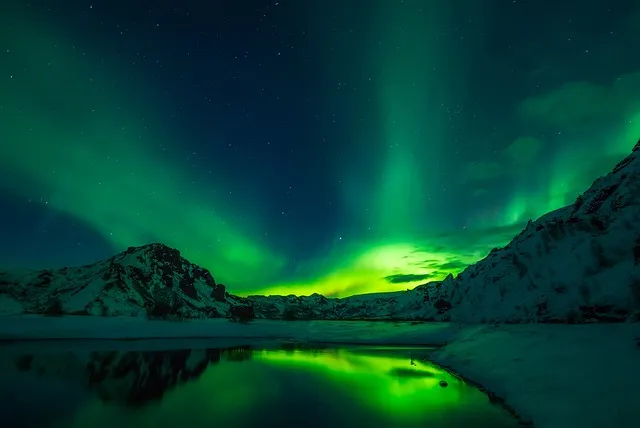
The Optimal Season: Late September to Early April
The core aurora season in Iceland spans the autumn, winter, and early spring. This is when the nights are longest and darkest, providing a vast canvas for the lights to appear. The midnight sun of the summer months makes aurora viewing impossible from mid-April through August.
- September & October: These months offer a fantastic balance. The weather is often milder than deep winter, with a good chance of clear skies. The nights are becoming sufficiently long, and you can combine aurora hunting with autumn landscapes and fewer crowds.
- November to February: This is the peak of darkness, with up to 20 hours of night around the winter solstice. This provides the longest possible viewing window each night. However, this is also the period with the most volatile weather—frequent clouds, snowstorms, and icy conditions can obscure the view. Patience and flexibility are key.
- March & Early April: As spring approaches, the days lengthen, but the nights remain dark enough for excellent viewing. Weather patterns can stabilize, offering more clear nights. This is a popular time for visitors who also want to experience the tail end of winter activities.
It’s crucial to remember that the northern lights are a natural phenomenon and are never guaranteed. You need three key ingredients: darkness (provided by the season), clear or partly clear skies (a break in the cloud cover), and high solar activity (measured by the KP index).
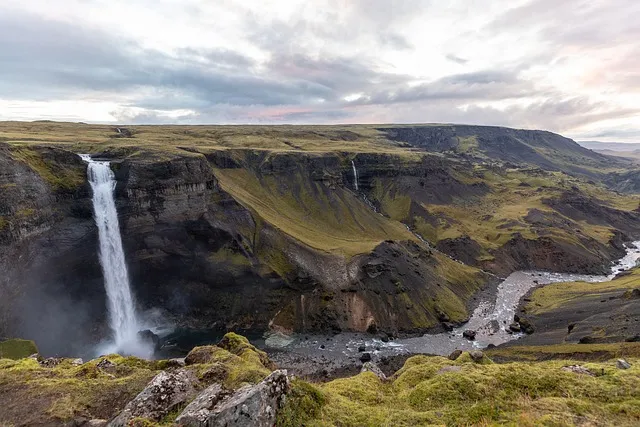
Planning Your Successful Aurora Hunt: Practical Tips
Knowing the best season is only half the battle. To maximize your chances, careful planning is essential.
1. Maximize Your Stay: The longer you stay, the better your odds. A minimum of 5-7 nights significantly increases the likelihood of catching a clear, active night. Avoid very short trips where a single cloudy night ruins your chance.
2. Escape Light Pollution: While you might get lucky in Reykjavik, your chances improve dramatically outside the city. Rent a car (preferably a 4x4 in winter) and drive away from town lights. Popular spots include: * Þingvellir National Park * The Reykjanes Peninsula (including the Bridge Between Continents) * The black sand beaches near Vík (exercise extreme caution with waves) * The Jökulsárlón glacier lagoon
3. Monitor Forecasts Relentlessly: Use these essential tools: * Aurora Forecast (vedur.is): The Icelandic Met Office provides a reliable aurora and cloud cover forecast. * Weather Forecast (vedur.is): Check for clear sky patches. * Space Weather (noaa.gov): Monitor the KP index (a scale of 0-9). In Iceland, a KP index of 3 or higher is often sufficient for a good display.
4. Consider a Guided Tour: Especially for first-timers, joining a northern lights tour can be invaluable. Expert guides know the best local spots, monitor conditions in real-time, and will often offer a free rebooking if no lights are seen.
5. Be Patient and Prepared: Aurora hunting often involves waiting in the cold. Dress in multiple thermal layers, with a windproof and waterproof outer shell. Bring hand warmers, a thermos with a hot drink, and a tripod for your camera.
Beyond the Lights: What to Know for Your Trip
Your aurora adventure is part of a larger Icelandic experience. Planning around the season will enhance your overall trip.
- Winter Travel Considerations: Roads can be treacherous. Always check Road.is for conditions and closures. Consider travel insurance that covers weather disruptions.
- Other Winter Activities: Pair your aurora hunt with glacier hiking, ice cave explorations, soaking in the Blue Lagoon or other geothermal pools, and experiencing cozy Icelandic culture.
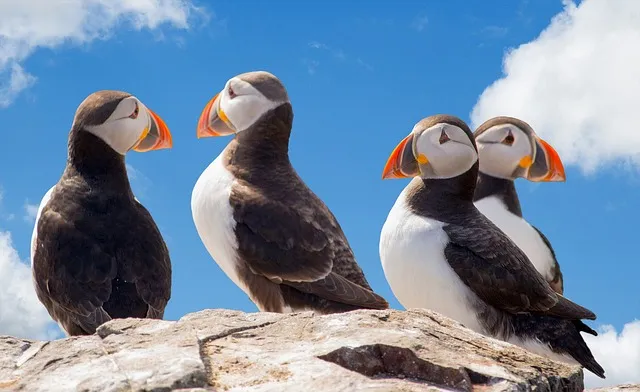
- Summer Visits: If you visit outside the aurora season, you’ll be rewarded with the midnight sun, incredible hiking, puffin watching, and lush green landscapes—a completely different, but equally stunning, Iceland.
Frequently Asked Questions (FAQ)
Q: Can you see the northern lights in Reykjavik? A: Yes, it is possible, especially during strong displays. However, light pollution reduces the intensity and visibility. For the best experience, travel just 15-30 minutes outside the city limits.
Q: What time of night is best to see them? A: The lights are most frequently visible between 9:00 PM and 2:00 AM, with peak activity often around midnight. However, they can appear anytime it is dark enough.
Q: Do I need a special camera to photograph the northern lights? A: While modern smartphones can capture them during strong displays, a DSLR or mirrorless camera with manual settings is best. You will need a tripod, a wide-angle lens, and the ability to set a long exposure (several seconds).
Q: Is there a "best month" within the season? A: There is debate, but many experienced guides favor the "shoulder months" of September-October and March. These months often have more stable weather (more clear skies) compared to the stormier, cloudier core of winter, balancing darkness with better viewing conditions.
Q: How cold does it get while aurora hunting? A: Temperatures, especially with wind chill, can easily drop below freezing (32°F/0°C) and often reach into the teens or single digits (°F). Proper cold-weather gear is non-negotiable for comfort and safety.
Conclusion
The pursuit of the northern lights in Iceland is a magical blend of science, patience, and adventure. By targeting the optimal window from late September to early April, strategically planning your itinerary to chase clear skies, and preparing for the Arctic elements, you place yourself in the best possible position for success. Remember that the experience is as much about the anticipation and the stunning Icelandic winter landscape as it is about the lights themselves. With realistic expectations, thorough preparation, and a sense of wonder, your journey to see the aurora borealis can become the unforgettable highlight of a lifetime.
Related Articles
Cover image coming soon
Best Time to Visit Thailand
Discover the best time for visit thailand. Complete guide with expert tips and data-driven insights.
best time to visit walt disney world in florida

when is the best time to go to costa rica
best time to visit redwood national park
best time to visit the galapagos islands
