best time to visit australia and new zealand
Planning a trip Down Under requires careful consideration of the seasons. Australia and New Zealand, while neighbors in the South Pacific, have distinct climates and seasonal patterns that can dramatically affect your travel experience. Determining the best time to visit Australia and New Zealand depends largely on your desired activities, tolerance for crowds, and budget. This guide breaks down the seasonal highlights, regional variations, and key events for both countries to help you plan the perfect antipodean adventure.

Understanding the Southern Hemisphere Seasons
First, it’s crucial to remember that the seasons in Australia and New Zealand are opposite to those in the Northern Hemisphere. This makes them fantastic destinations for escaping a cold winter or finding a milder summer.
- Summer: December to February
- Autumn/Fall: March to May
- Winter: June to August
- Spring: September to November
Australia: A Continent of Climates
Australia’s vast size means it has multiple climate zones. The best time to visit Australia for most travelers, especially first-timers hitting the major cities and coastal highlights, is during the shoulder seasons of Autumn (March-May) and Spring (September-November).
- Spring (Sept-Nov): Wildflowers bloom in Western Australia, temperatures are pleasant (20-25°C / 68-77°F), and wildlife becomes active. It's ideal for exploring the Great Barrier Reef before the stinger season and for visiting the Red Centre.
- Autumn (Mar-May): Arguably the most perfect season nationwide. The summer heat has subsided, the water is still warm for swimming, and the grape harvests begin in wine regions like the Barossa and Margaret River. Crowds are thinner, and prices are often lower than in peak summer.

Regional Breakdown:
- Sydney, Melbourne, Adelaide (South & Southeast): Best in Autumn and Spring. Summers can be hot, and winters are cool and rainy.
- Great Barrier Reef & Queensland: The dry season (May-October) offers the best diving and snorkeling conditions (sunny, minimal rain, good visibility). The wet season (Nov-April) is hot, humid, and brings the possibility of cyclones and jellyfish.
- Northern Territory (Uluru, Darwin): Visit during the dry season (May-Oct) for manageable outback temperatures. The wet season (Nov-Apr) is extremely hot, humid, and some roads may flood.
- Perth & Western Australia: Spring (Sept-Nov) is spectacular for wildflowers. Summer (Dec-Feb) is hot and dry, perfect for beaches.
New Zealand: Land of Dramatic Landscapes
New Zealand’s climate is more temperate but can change rapidly. The best time to visit New Zealand for hiking, adventure sports, and enjoying the scenery in generally settled weather is during the late Spring (November), Summer (December-February), and early Autumn (March).
- Summer (Dec-Feb): This is peak season. Days are long and sunny, perfect for hiking the Great Walks, exploring the beaches, and enjoying festivals. Book accommodation and activities well in advance, as this is the busiest and most expensive time.
- Autumn (Mar-May): A fantastic alternative. Crowds disperse, the weather remains stable, and the South Island’s landscapes are painted with stunning autumn colors, particularly in regions like Central Otago (Queenstown, Wanaka).
- Winter (Jun-Aug): This is the time for snow sports! The Southern Alps offer world-class skiing and snowboarding. It’s also a great time for experiencing Maori culture and geothermal wonders in the North Island, though some hiking trails may be closed.
Regional Breakdown:
- North Island (Auckland, Rotorua, Bay of Islands): Milder winters and warmer summers than the South Island. Visit year-round, but summer is best for beach activities.
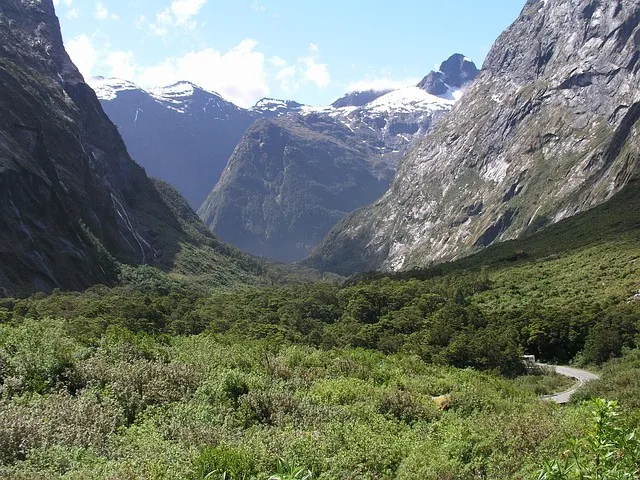
- South Island (Queenstown, Christchurch, Fiordland): Offers the most dramatic scenery. Summer and early autumn are ideal for hiking and road trips. Winter is for ski enthusiasts.
Key Events and Considerations
Aligning your trip with major events can enhance your visit or, if you prefer peace, help you avoid crowds.
Australia:
- January: Australian Open (Melbourne).
- April: Sydney Royal Easter Show.
- June-July: Vivid Sydney (light festival).
- September-October: AFL Grand Final (Melbourne), spring racing carnival.
- December-January: Sydney to Hobart Yacht Race, New Year's Eve fireworks.
New Zealand:
- February: Waitangi Day (NZ's national day, Feb 6).
- April: ANZAC Day (April 25).
- June-August: Winter festivals in Queenstown and Wanaka.
- October-November: World of WearableArt Show (Wellington).
Practical Tips:
- Budget Travel: Visit during the shoulder seasons (Autumn or Spring) for better deals on flights and accommodation.
- Wildlife Encounters: For whale watching in Kaikoura (NZ) or Hervey Bay (AUS), target specific migration seasons (typically June-July in Hervey Bay for humpbacks).
- Road Trips: Both countries are perfect for road trips. Ensure your license is valid and familiarize yourself with local driving rules.
Frequently Asked Questions (FAQ)
1. Can I visit Australia and New Zealand in one trip? Absolutely. Many travelers combine them, often starting in New Zealand before heading to Australia’s east coast. Allow a minimum of 3 weeks to do both justice, and remember you'll need to clear customs and immigration when flying between them.
2. What is the cheapest time to fly to Australia and New Zealand? The lowest airfares from the US are typically found during the Southern Hemisphere’s late autumn and winter (May-August), excluding major school holiday periods.
3. Is it a good idea to visit during Christmas and New Year's? This is the peak of peak season. The weather is fantastic, but prices are at their highest, and destinations are extremely crowded. You must book everything months in advance if traveling during this period.
4. What should I pack for a trip to this region? Pack layers! Weather can be changeable, especially in New Zealand and southern Australia. Essentials include a waterproof jacket, comfortable walking shoes, sun protection (hat, sunglasses, high-SPF sunscreen), and a swimsuit. A power adapter is also a must.
5. Which is better for a first-time visitor? It depends on your interests. Australia offers iconic cityscapes, vast outback landscapes, and the Great Barrier Reef. New Zealand is unparalleled for pristine, dramatic natural scenery and adventure activities. You can't go wrong with either.
Conclusion
The best time to visit Australia and New Zealand is not a one-size-fits-all answer. For balanced weather, manageable crowds, and good value, target the shoulder seasons: Australian Autumn (March-May) and New Zealand Autumn (March-April) or late Spring (November). If you seek vibrant energy, long sunny days, and don’t mind the premium prices, summer (December-February) is your window. For skiers or those seeking a cultural focus with fewer tourists, winter presents a compelling case. By understanding the unique rhythms of these two incredible countries, you can tailor your journey for an unforgettable experience, whether you're exploring coral reefs, hiking alpine trails, or discovering vibrant urban culture.
Related Articles
Cover image coming soon
Best Time to Visit Thailand
Discover the best time for visit thailand. Complete guide with expert tips and data-driven insights.

best time to visit walt disney world in florida

when is the best time to go to costa rica

best time to visit redwood national park

best time to visit the galapagos islands
