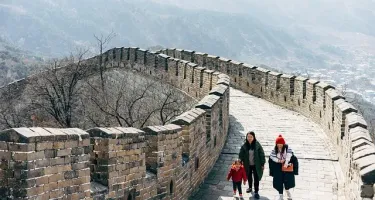
best time to visit great wall of china
The Great Wall of China is one of the world's most iconic and awe-inspiring landmarks, stretching over 13,000 miles across northern China. Choosing the best time to visit the Great Wall of China is crucial for an enjoyable experience, as weather, crowds, and seasonal scenery dramatically impact your trip. While the Wall is accessible year-round, the optimal periods are generally spring (April to May) and autumn (September to October), when mild temperatures, clear skies, and vibrant natural colors create perfect conditions for exploration and photography. This guide will break down the pros and cons of each season, highlight specific monthly considerations, and provide practical tips to help you plan your unforgettable journey to this ancient marvel.
Seasonal Breakdown: When to Go for the Ideal Experience
The climate in northern China, where the Great Wall is located, features four distinct seasons. Your choice will depend on your priorities: comfortable weather, avoiding crowds, or capturing specific seasonal beauty.
Spring (April to May)
Spring is widely regarded as one of the best times to visit the Great Wall. The harsh winter cold has receded, and the summer heat and humidity have not yet arrived.
- Weather: Daytime temperatures range comfortably from 50°F to 70°F (10°C to 21°C). Skies are often clear and blue.
- Pros: Pleasant hiking conditions, blooming wildflowers and greenery, and fewer tourists compared to the peak summer months.
- Cons: Early April can still be chilly, especially in the morning and at higher elevations. Late May may see an increase in visitors.
- Best For: Hikers, photographers, and travelers seeking a balance of good weather and manageable crowds.
Autumn (September to October)
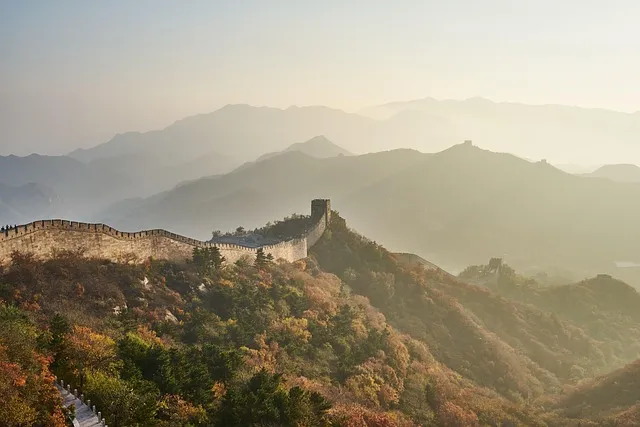
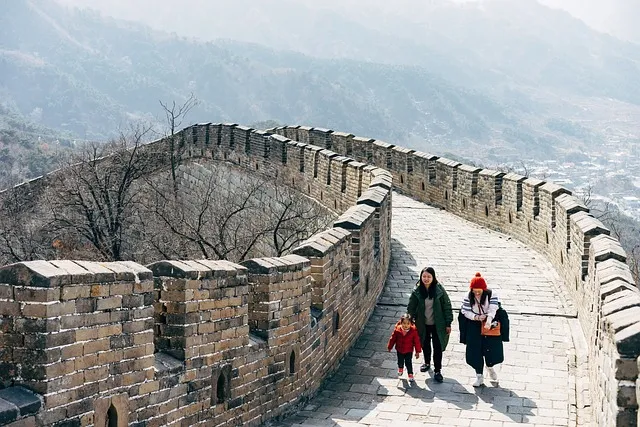
Autumn rivals spring as the prime visiting season. The air becomes crisp, the summer rains subside, and the landscape is painted with stunning fall foliage.
- Weather: Similar to spring, with temperatures between 50°F and 72°F (10°C to 22°C). September is generally warmer, while October offers cooler, crystal-clear days.
- Pros: Excellent visibility, stunning autumn colors (especially in early to mid-October), and ideal photographic light.
- Cons: The first week of October coincides with China's National Day holiday (Golden Week), which brings massive domestic crowds. Avoid this week if possible.
- Best For: Photographers, nature lovers, and those who enjoy cool, comfortable outdoor activities.
Summer (June to August)
Summer is the peak tourist season, characterized by hot weather and the highest volume of visitors, both domestic and international.
- Weather: Hot and humid, with temperatures often exceeding 86°F (30°C). July and August are also the rainiest months.
- Pros: Long daylight hours, lush green scenery, and all facilities are fully operational.
- Cons: Intense heat and humidity can make hiking strenuous. Afternoon thunderstorms are common. Crowds at popular sections like Badaling and Mutianyu can be overwhelming.
- Best For: Families with school holidays, travelers who can handle heat, and early birds who visit at sunrise to beat the crowds.
Winter (November to March)
Winter offers a completely different, starkly beautiful experience for the adventurous traveler.
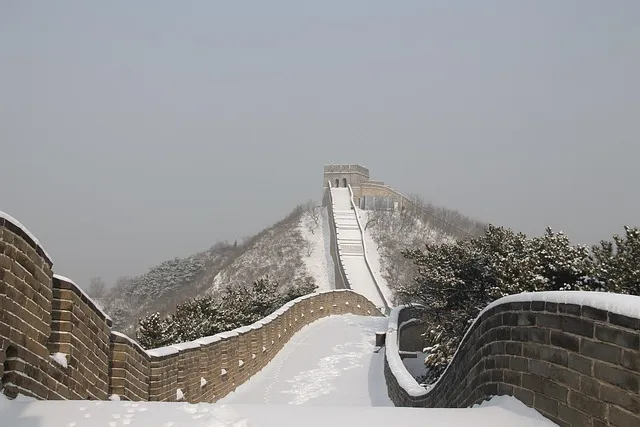
- Weather: Cold and dry, with temperatures often below freezing, especially in December and January. Snow is possible, which can make the Wall breathtakingly beautiful but also slippery.
- Pros: Minimal crowds, incredibly atmospheric and photogenic snowy landscapes, and lower prices for tours and hotels.
- Cons: Bitterly cold temperatures and wind chill, especially on exposed sections. Some remote sections may be inaccessible or unsafe. Daylight hours are short.
- Best For: Photographers seeking dramatic shots, travelers looking for solitude, and those who don't mind bundling up.
Choosing Your Section: Location Matters
The "best" time can also depend on which section of the Great Wall you plan to visit, as some are more forgiving in certain seasons.
- Badaling: The most restored and popular section. Avoid summer weekends and national holidays at all costs. Spring and autumn weekdays are best.
- Mutianyu: Also restored but slightly less crowded than Badaling. It has a cable car, making it a good year-round option, though winter visits are chilly.
- Jinshanling & Simatai: Known for their "wild" but hike-able condition and stunning views. Spring and autumn are ideal for the long, scenic hikes between these sections. Summer heat can be exhausting here.
- Jiankou: A rugged, unrestored section for experienced hikers. Avoid visiting in winter or during/after heavy rain due to significant safety risks. Late spring and early autumn are perfect.
Practical Tips for Your Visit
No matter when you go, a little planning goes a long way.
- Arrive Early: This is the single best tip for any season. Arriving at the opening time (usually 7:00 or 8:00 AM) allows you to enjoy the Wall in relative peace before tour buses arrive.
- Weekdays Over Weekends: Always choose a weekday visit to avoid the influx of local weekend tourists.
- Check the Calendar: Steer clear of Chinese public holidays, especially the week-long National Day Holiday (Oct 1-7) and Labor Day (May 1). The Wall is exceptionally packed during these times.
- Dress in Layers: Mountain weather is unpredictable. Wear comfortable, sturdy shoes for walking on uneven surfaces.
- Stay Hydrated: Bring more water than you think you need, particularly in the summer months.
- Consider a Guided Tour: For first-time visitors or those heading to less-accessible sections, a reputable tour guide can handle logistics and provide valuable historical context.
Frequently Asked Questions (FAQ)
Q: What is the absolute best month to visit the Great Wall? A: Mid-to-late May and late September to mid-October are typically the sweet spots. The weather is consistently pleasant, and you miss the peak summer and holiday crowds.
Q: Is it worth visiting the Great Wall in the summer? A: Yes, but with caveats. If summer is your only option, choose a less-crowded section like Mutianyu or Huanghuacheng, arrive at sunrise, and be prepared for heat and humidity.
Q: Can I visit the Great Wall in winter? A: Absolutely, if you are prepared for cold weather. The restored sections like Badaling and Mutianyu remain open. The sight of the Wall dusted with snow is unforgettable, and you'll have it mostly to yourself.
Q: Which section is best for avoiding crowds? A: For first-timers, Mutianyu on a weekday morning offers a good balance of accessibility and manageable crowds. More adventurous travelers should consider Jinshanling or Gubeikou.
Q: How much time do I need at the Great Wall? A: Plan for at least 3-4 hours to fully explore a section. If you're hiking between sections (e.g., Jinshanling to Simatai), allocate 5-6 hours.
Conclusion
Determining the best time to visit the Great Wall of China ultimately depends on your personal travel style and what you wish to experience. For nearly perfect conditions with comfortable weather and beautiful scenery, aim for the shoulder seasons of spring (April-May) or autumn (September-October, excluding Golden Week). Summer offers vibrant greenery but demands tolerance for heat and crowds, while winter provides a serene and majestic adventure for the cold-hardy. By aligning your visit with the right season and section, and following key tips like arriving early, you can ensure your encounter with this Wonder of the World is as magnificent as the structure itself.