best time to visit montana glacier national park
Glacier National Park, often called the "Crown of the Continent," is a breathtaking wilderness of jagged peaks, turquoise lakes, and ancient glaciers in Montana. Determining the best time to visit Montana Glacier National Park depends on your priorities—whether you seek perfect hiking weather, vibrant wildflowers, fewer crowds, or stunning fall colors. While the park offers dramatic beauty year-round, visitor access and experiences vary dramatically with the seasons. This guide breaks down what to expect each season to help you plan your perfect trip.
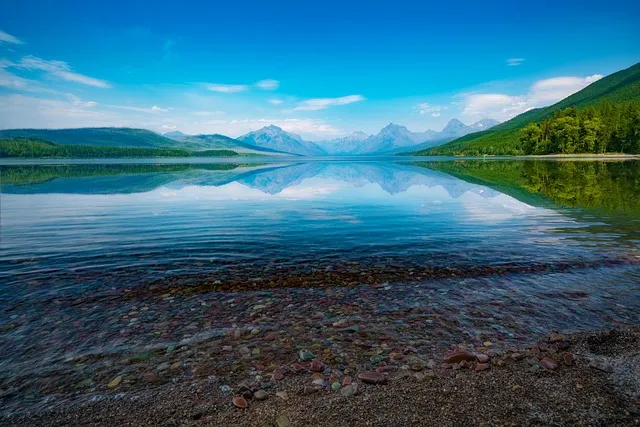
Seasonal Breakdown: Weather, Crowds, and Access
The park's high-altitude environment means weather is unpredictable, but general seasonal patterns hold true. The iconic Going-to-the-Sun Road, which traverses the park, is a critical factor for access.
Summer (Late June – Early September)
- Weather & Conditions: This is peak season. Days are warm (70s-80s°F) and sunny, but nights are cool. Afternoon thunderstorms are common in the mountains. All trails and roads, including the full Going-to-the-Sun Road, are typically open by late June or early July.
- Crowds: Extremely High. July and August see the highest visitation. Parking at popular trailheads like Avalanche Lake or Logan Pass fills by early morning. Lodges and campgrounds book up months in advance.
- Best For: Guaranteed access to high-elevation trails, wildflower blooms (peaking in July), boat tours on lakes, and all visitor services being fully operational.
- Considerations: Book accommodations 6-12 months ahead. Start hikes very early to secure parking and avoid afternoon storms.

Fall (September – October)
- Weather & Conditions: September is glorious—mild days, crisp nights, and minimal rain. The Going-to-the-Sun Road usually closes between mid-October and early November. Early snow is possible, especially at higher elevations.
- Crowds: Significantly Lower. After Labor Day, crowds dissipate rapidly. September offers a sweet spot of good weather and solitude.
- Best For: Hiking in comfortable temperatures, spectacular golden larch and aspen colors (late Sept-early Oct), wildlife viewing (elk rutting season), and photographers seeking dramatic light.
- Considerations: Services and shuttle operations begin to wind down in late September. Always check road statuses for closures.
Winter (November – April)
- Weather & Conditions: Snow blankets the park. Temperatures are cold, often below freezing. Only a small portion of the Going-to-the-Sun Road (from West Glacier to Lake McDonald Lodge) is plowed for vehicle access.
- Crowds: Very Low. This is the quietest time, reserved for adventurous souls.
- Best For: Cross-country skiing, snowshoeing, and serene, snow-covered landscapes. The Apgar Village area is a hub for winter recreation.
- Considerations: Most lodges, campgrounds, and services are closed. Access is extremely limited, and backcountry travel requires expertise and avalanche awareness.
Spring (May – Mid-June)
- Weather & Conditions: A transitional period of melting snow and rising water. Weather is unpredictable—sunny one day, snowy the next. The Going-to-the-Sun Road opens incrementally as plows clear deep snow, usually opening fully by late June.
- Crowds: Moderate to Low. Crowds build as more of the road opens. May can be very quiet.
- Best For: Waterfall viewing at peak flow, wildlife with newborns, and having lower-elevation trails to yourself. It's a season of dramatic change.
- Considerations: Many high-elevation trails remain snow-covered and impassable. Be prepared for mud, mosquitoes, and variable conditions.
Key Factors for Choosing Your Visit Time
Beyond the season, consider these elements for trip planning.
Wildlife Viewing
Different seasons offer different sightings. Summer is great for mountain goats and bighorn sheep at Logan Pass. Fall is prime for elk and deer during the rut. Spring offers chances to see bear activity and newborn animals. Always view wildlife from a safe, legal distance (at least 100 yards from bears and wolves, 25 yards from all other animals).
Hiking and Activities
- High-Elevation Hikes: For trails like Grinnell Glacier, Iceberg Lake, or the Garden Wall, you need the summer season (July-Sept) when snow has melted.
- Water Activities: Kayaking, canoeing, and guided boat tours on lakes like McDonald, St. Mary, and Two Medicine are primarily summer activities.
- Scenic Drives: The full Going-to-the-Sun Road experience is only available from roughly late June to mid-October.
Reservations and Permits (Critical for 2024/2025)
- Vehicle Reservation: From late May through early September, a vehicle reservation ticket is required to enter specific areas of the park (Going-to-the-Sun Road Corridor, North Fork, Two Medicine) during peak hours. These are released months in advance and 24 hours prior. Check the National Park Service website for exact dates and details.
- Lodging & Camping: Reservations for historic lodges (Many Glacier, Lake McDonald) and campgrounds open 6-12 months in advance and sell out within minutes for summer dates.
- Backcountry Permits: Required for all overnight backpacking. A portion are available by advanced reservation (released in March), and the remainder are first-come, first-served 24 hours before your trip.
Frequently Asked Questions (FAQ)
What is the absolute best month to visit Glacier National Park? For the ideal balance of reliable weather, open roads and trails, and vibrant scenery, September is often considered the best month. Crowds are thinner, bugs are gone, and the weather is generally stable and pleasant.
Can I visit Glacier National Park without a vehicle reservation? Yes, but planning is required. You can enter before 6 AM or after 3 PM without a reservation for the Going-to-the-Sun Corridor. You can also enter with a service reservation (lodging, camping, tour) or by using the park shuttle (when operational).
Is October too late to visit Glacier? October can be beautiful with fall colors and snow-dusted peaks, but it is a shoulder season with significant closures. The Going-to-the-Sun Road often closes by mid-October. It's best for visitors comfortable with cold-weather day hiking and who have confirmed what roads and services are open.
What should I pack for a summer visit? Pack layers! Include a moisture-wicking base layer, insulating fleece, a waterproof rain jacket, sturdy hiking boots, a sun hat, and sunglasses. Even in July, temperatures at Logan Pass can be near freezing.
When is Glacier National Park least crowded? The park is least crowded during the winter months (November-April) and during the shoulder seasons of late May and October. Weekdays are also less crowded than weekends during the summer.
Conclusion
The best time to visit Montana Glacier National Park is a personal equation. Summer delivers the full, accessible park experience amidst bustling crowds. Fall rewards visitors with stunning colors and tranquility. Winter offers a silent, frozen wilderness, while Spring showcases powerful renewal. For most first-time visitors aiming to hike the iconic trails and drive the Going-to-the-Sun Road, targeting the window from July to mid-September is your surest bet—just be prepared with meticulous advance reservations. Whenever you choose to go, Glacier’s raw, majestic beauty promises an unforgettable adventure.
Related Articles
Cover image coming soon
Best Time to Visit Thailand
Discover the best time for visit thailand. Complete guide with expert tips and data-driven insights.

best time to visit walt disney world in florida
when is the best time to go to costa rica
best time to visit redwood national park
best time to visit the galapagos islands
