best time to visit nc
North Carolina is a state of remarkable diversity, offering everything from the misty peaks of the Appalachian Mountains to the sun-drenched, historic shores of the Outer Banks. Determining the best time to visit NC depends entirely on your preferred activities, desired weather, and tolerance for crowds. Whether you're planning a mountain hiking adventure, a beach vacation, or a tour of the vibrant cities, each season in the Tar Heel State paints a different, beautiful picture. This guide breaks down the climate, events, and regional nuances to help you plan your perfect trip.
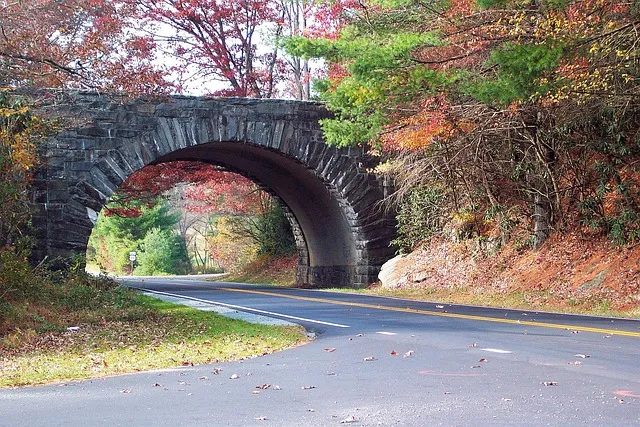
Seasonal Guide: Weather, Crowds, and Highlights
North Carolina experiences four distinct seasons, each with its own charm and considerations across its three main regions: the Mountains, the Piedmont (central region including cities like Charlotte and Raleigh), and the Coast.
Spring (March to May)
- Weather: Spring is a delightful time of renewal. Temperatures are mild, ranging from the 50s to 70s °F. The mountains bloom with wildflowers slightly later than the Piedmont and coast. Occasional rain showers are common, especially in April.
- Crowds: Moderate, but increasing towards Memorial Day. A great time to visit before the peak summer rush.
- Best For: Hiking along the Appalachian Trail, visiting the Biltmore Estate gardens in Asheville, exploring historic Wilmington and its riverwalk, and attending spring festivals like the North Carolina Azalea Festival in Wilmington.
- Considerations: Pollen can be very high in April, which may affect those with allergies.
Summer (June to August)
- Weather: Hot and humid, particularly in the Piedmont and Coastal Plain, with temperatures often in the 80s and 90s °F. The mountains offer a cooler escape, with highs in the 70s. The coast is perfect for beach weather, though this is also hurricane season (June-November), with the highest risk from August to October.
- Crowds: Peak tourist season, especially at the beaches and in popular mountain towns like Asheville. Accommodation prices are at their highest.
- Best For: Beach vacations on the Outer Banks or Crystal Coast, whitewater rafting on the Nantahala River, exploring the Blue Ridge Parkway, and enjoying outdoor concerts and events.
- Considerations: Book accommodations far in advance. Be prepared for afternoon thunderstorms and monitor hurricane forecasts if visiting the coast.

Autumn (September to November)
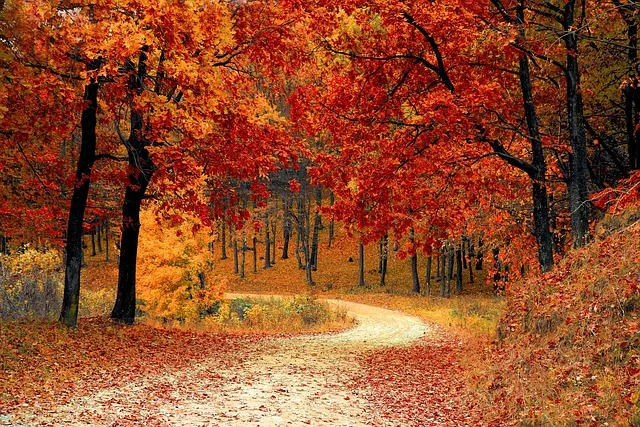
- Weather: Widely considered the best time to visit NC for overall pleasant conditions. Humidity drops, and days are crisp and sunny. Mountain temperatures range from cool to mild, while the coast remains warm into October. This is prime time for fall foliage, which typically peaks in the mountains in mid-October and sweeps eastward.
- Crowds: Very heavy in the mountains during peak leaf season (October). The coast sees fewer crowds after Labor Day. The Piedmont has moderate crowds.
- Best For: Leaf-peeping drives on the Blue Ridge Parkway, visiting vineyards in the Yadkin Valley, hiking in Great Smoky Mountains National Park, and attending state fairs and Oktoberfest celebrations.
- Considerations: Mountain accommodations during peak foliage require booking 6-12 months in advance. Weekdays are less crowded than weekends.
Winter (December to February)
- Weather: Varies dramatically by region. The mountains see cold temperatures and regular snowfall, ideal for skiing at resorts like Beech Mountain or Sugar Mountain. The Piedmont has chilly, damp weather with occasional ice storms. The coast is the mildest, with temperatures often in the 50s, though it can be windy and rainy.
- Crowds: Lowest outside of holiday periods (Christmas, New Year's). Ski resorts will be busy on weekends and holidays.
- Best For: Skiing and winter sports in the High Country, holiday light displays like the one at the Biltmore, exploring museums in Raleigh or Charlotte without crowds, and storm-watching on the coast.
- Considerations: Some coastal attractions and restaurants may have reduced hours. Always check road conditions when traveling in the mountains in winter.
Regional Breakdown: Tailoring Your Visit
To fine-tune your timing, consider what you want to do and where.
- For the Mountains (Asheville, Boone, Blowing Rock): Autumn is spectacular for foliage. Summer offers cool escape and festivals. Winter is for skiers. Spring is lovely but can be unpredictable.
- For the Coast (Outer Banks, Wilmington, Crystal Coast): Late Spring (May-June) and Early Fall (September-October) offer the perfect combo of warm weather, swimmable water, and fewer crowds. Summer is peak beach season but busy and hot.
- For the Piedmont (Charlotte, Raleigh-Durham, Greensboro): Spring and Fall are ideal for city exploration, park visits, and attending sporting events with comfortable temperatures. These cities offer great indoor alternatives during the heat of summer or chill of winter.
Key Events and Festivals by Season
Aligning your visit with a major event can be a highlight.
- Spring: NC Azalea Festival (Wilmington), MerleFest (folk music in Wilkesboro), Raleigh's Artsplosure.
- Summer: 4th of July celebrations statewide, Bele Chere (Asheville, though check for current dates), Shakespeare on the Green (Winston-Salem).
- Fall: NC State Fair (Raleigh), Woolly Worm Festival (Banner Elk), Lexington Barbecue Festival.
- Winter: Biltmore Christmas (Asheville, Nov-Jan), First Night Raleigh (New Year's Eve), Wright Brothers First Flight Celebration (Outer Banks, Dec).
Frequently Asked Questions (FAQ)
What is the absolute best month to visit North Carolina? For a balance of great weather, fewer crowds, and scenic beauty, October is often the top choice, especially for mountain visits. For a beach-focused trip with warm water and smaller crowds, late September is ideal.
When is hurricane season in North Carolina? The Atlantic hurricane season runs from June 1 to November 30, with the historical peak of activity occurring from mid-August through mid-October. Always purchase travel insurance and monitor forecasts if visiting the coast during this window.
Is North Carolina crowded during spring break? Yes, popular beach destinations like the Outer Banks and Wilmington can see a significant influx of visitors during the weeks of March and April when many schools are on break, though it's generally less crowded than summer.
What should I pack for a spring trip to NC? Layers are essential. Pack t-shirts, a light sweater or fleece, a waterproof jacket, and comfortable shoes for variable conditions. Include allergy medicine if you are sensitive to pollen.
Can I see fall colors in North Carolina in November? By early November, peak color has usually passed in the highest elevations but can still be found in the Piedmont region and around the Charlotte and Raleigh areas, offering beautiful late-season displays.
Conclusion
Ultimately, North Carolina is a year-round destination with no single "bad" time to visit—only times that are better suited to your personal travel style. For picture-perfect mountain scenery and comfortable city exploration, aim for the autumn months. For classic beach vacations with the family, target the summer, but book early. If you prefer mild weather and blooming landscapes with moderate crowds, spring is your season. And for budget-friendly city trips or snowy mountain adventures, winter holds its own unique appeal. By considering the regional climates and your activity checklist, you can confidently choose the best time to visit NC for an unforgettable experience.
Related Articles
Cover image coming soon
Best Time to Visit Thailand
Discover the best time for visit thailand. Complete guide with expert tips and data-driven insights.

best time to visit walt disney world in florida

when is the best time to go to costa rica

best time to visit redwood national park

best time to visit the galapagos islands
