best time to visit pashupatinath
Pashupatinath Temple, a UNESCO World Heritage Site and one of the most sacred Hindu temples dedicated to Lord Shiva, is a profound spiritual and cultural destination in Kathmandu, Nepal. For travelers from the United States seeking an authentic and respectful experience, timing your visit is crucial. The best time to visit Pashupatinath is generally during the dry, pleasant months of October to November (autumn) and March to April (spring). These periods offer comfortable weather, clear skies, and the chance to witness significant festivals without the intense monsoon rains or winter chill. However, the ideal time can vary greatly depending on whether you seek spiritual immersion, photographic opportunities, or a quieter cultural experience.
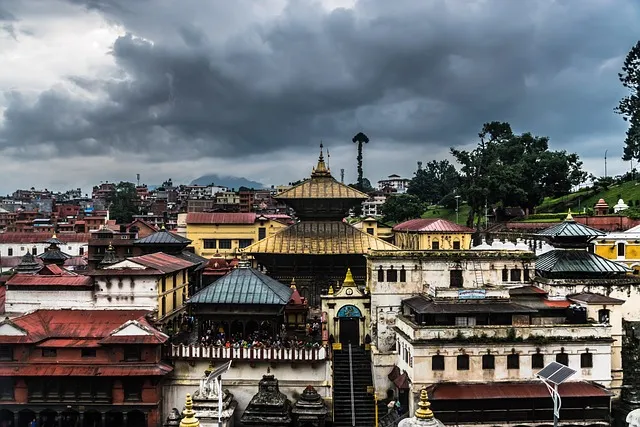
Understanding the Seasons and Weather at Pashupatinath
Nepal’s climate dictates the visitor experience at this open-air temple complex. Here’s a seasonal breakdown to help you plan.
Autumn (October to November): The Peak Season
- Weather: This is widely considered the absolute best time to visit. The monsoon has ended, leaving lush greenery, crisp air, and clear Himalayan views. Daytime temperatures are pleasant (60-75°F / 15-24°C), and nights are cool.
- Pros: Excellent weather for exploring the extensive temple grounds and nearby ghats. Ideal for photography with good light. The major festival of Tihar (Deepawali) often falls in October or November, illuminating the temple with thousands of oil lamps and festive energy.
- Cons: This is the busiest tourist season. While not as crowded as typical Western tourist hotspots, you can expect more visitors, both pilgrims and international tourists.
Spring (March to April): The Festival Season
- Weather: Another fantastic window. Days are warm (70-80°F / 21-27°C) with blooming rhododendrons adding color. The pre-monsoon haze can start building in late April.
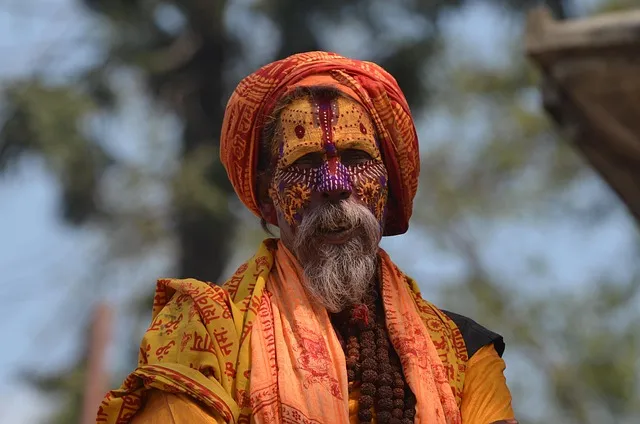
- Pros: Hosts the most important festival at Pashupatinath: Maha Shivaratri. This draws hundreds of thousands of devotees, including Sadhus (Hindu ascetics) from across the Indian subcontinent. It’s a unique, intense, and unforgettable cultural spectacle.
- Cons: Maha Shivaratri creates extreme crowds. If you seek a contemplative visit, avoid the exact festival date. Book accommodations in Kathmandu well in advance.
Winter (December to February): The Cool & Quiet Season
- Weather: Days can be sunny and pleasant (50-65°F / 10-18°C), but mornings and evenings are cold, often dropping near freezing. Fog can obscure views.
- Pros: Fewer tourists. The atmosphere is more serene, allowing for quiet observation. Clear winter mornings can be beautiful.
- Cons: The cold can be biting, especially near the river. Some rituals are conducted in the chilly dawn, which may be less comfortable for visitors.
Monsoon (June to September): The Challenging Season
- Weather: Hot, humid, and wet. Heavy rainfall is frequent, which can cause the Bagmati River to swell. Skies are often overcast.
- Pros: Minimal crowds and lush, vibrant landscapes. A deeply atmospheric time if you don’t mind the rain.
- Cons: Travel disruptions are common. Leeching in green areas, muddy paths, and high humidity can hinder exploration. Photography is challenging.
Key Festivals and Events: Planning for Cultural Depth
Aligning your visit with a festival can be transformative, but requires preparation.
- Maha Shivaratri (Feb/March): The pinnacle event. The temple area becomes a vibrant, round-the-clock gathering of prayer, chanting, and ascetic practices. It’s a profound display of faith but intensely crowded.
- Tihar/Deepawali (Oct/Nov): The festival of lights. The temple is beautifully decorated, creating a magical evening ambiance. It’s festive but less overwhelming than Shivaratri.
- Teej (Aug/Sep): A festival where Hindu women fast and pray for marital bliss and family well-being. They visit Pashupatinath in vibrant red saris, creating a striking visual and cultural scene.
- Regular Daily Rituals: Regardless of season, attending the early morning Arati (offering of lights) or evening Bagmati Ganga Arati is highly recommended for a moving spiritual experience.
Practical Tips for Your Visit
- Dress Code & Conduct: This is an active place of worship. Dress modestly (cover shoulders and knees). Remove shoes before entering temple courtyards where permitted for non-Hindus. Photography is restricted in the main temple sanctum and of cremation ceremonies—always ask for permission and be discreet and respectful.
- Main Temple Access: The main inner sanctum of the temple is open only to Hindus. However, all visitors can freely explore the vast outer complex, secondary temples, and ghats, which offer a complete cultural experience.
- Guided Tours: Consider hiring a licensed local guide. They provide invaluable context about rituals, architecture, and symbolism, deepening your understanding significantly.
- Health & Safety: Stay hydrated, use sunscreen, and wear comfortable walking shoes. Be mindful of your belongings in crowded areas.
Frequently Asked Questions (FAQ)
Q: Can non-Hindus enter the main Pashupatinath Temple? A: No, the inner sanctum (garbhagriha) is strictly for Hindu devotees. However, non-Hindus can view the temple from the outer courtyard and have full access to the rest of the 246-hectare complex, which contains numerous other temples, shrines, and the iconic ghats.
Q: Is it appropriate to watch the cremation ceremonies on the ghats? A: Yes, but it must be done with the utmost respect and sensitivity. Observe quietly from a distance, do not take photographs or videos of the ceremonies or mourners, and dress conservatively. It is a solemn private ritual for families.
Q: How much time should I allocate for a visit? A: A meaningful visit requires at least 2-3 hours to explore the key areas. If you wish to attend a specific ritual, observe quietly, or explore more deeply, plan for half a day.
Q: What is the best time of day to visit? A: Early morning (around 7-9 AM) offers a peaceful atmosphere with morning rituals. Late afternoon (3-5 PM) allows you to explore and then witness the evening Arati ceremony, which is particularly powerful.
Q: Are there any entry fees for foreigners? A: Yes, there is an entrance fee for foreign nationals (approximately NPR 1000 / ~$7.50 USD as of 2024). The fee contributes to the maintenance and preservation of the UNESCO site.
Conclusion
Choosing the best time to visit Pashupatinath ultimately depends on your priorities. For the optimal blend of great weather, cultural vibrancy, and manageable crowds, target the autumn months of October and November. For those seeking the ultimate spiritual spectacle, planning around Maha Shivaratri in early spring is a once-in-a-lifetime opportunity, albeit a crowded one. Whenever you choose to go, approach Pashupatinath with respect and an open mind. It is more than a monument; it is a living, breathing center of faith, philosophy, and cultural continuity that offers a deeply moving glimpse into the heart of Nepal.
Related Articles
Cover image coming soon
Best Time to Visit Thailand
Discover the best time for visit thailand. Complete guide with expert tips and data-driven insights.

best time to visit walt disney world in florida

when is the best time to go to costa rica

best time to visit redwood national park
best time to visit the galapagos islands
