best time to visit seattle and vancouver
Planning a trip to the stunning Pacific Northwest means navigating two distinct yet complementary cities: Seattle, Washington, and Vancouver, British Columbia. Both are renowned for their vibrant culture, stunning natural beauty, and dynamic urban landscapes, but their famously temperate—and often damp—climates make timing crucial. Determining the best time to visit Seattle and Vancouver depends largely on your priorities, whether they are chasing sunny skies, avoiding crowds, experiencing iconic festivals, or finding the best travel deals. This guide breaks down the seasonal highlights, weather patterns, and local events for both cities to help you plan your perfect Northwest adventure.
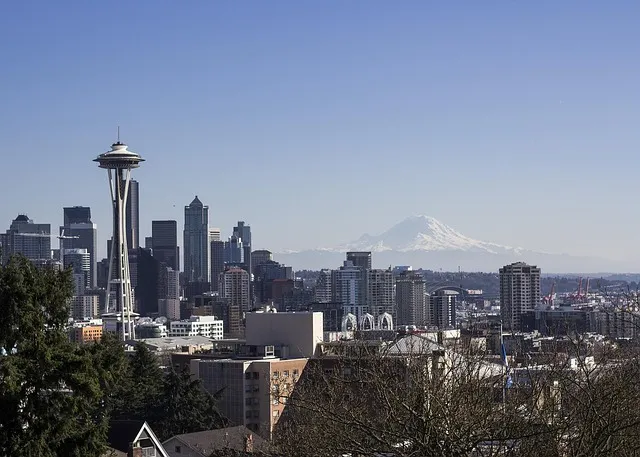
Seasonal Breakdown: Weather, Crowds, and Highlights
The Pacific Northwest experiences four distinct seasons, each offering a unique vibe in both Seattle and Vancouver. While the cities share a similar maritime climate, subtle differences can influence your experience.
Spring (March to May)
- Weather: This is a season of transition. Days become longer and milder, with temperatures ranging from 50°F to 65°F (10°C to 18°C). Rain is still frequent, but you'll encounter more sunny breaks. The landscape bursts to life with blooming cherry blossoms and rhododendrons.
- Crowds: Moderate and increasing. A great time to visit before the peak summer rush.
- Seattle Highlights: The University of Washington's Quad becomes a pink paradise with cherry blossoms. The Seattle International Film Festival (SIFF) begins in late spring.
- Vancouver Highlights: The city is awash in pink with cherry blossoms in Stanley Park and VanDusen Botanical Garden. The Vancouver Sun Run (April) and the Vancouver International Wine Festival (spring) are major draws.
- Best For: Garden lovers, photographers, and travelers seeking lower hotel rates before summer.
Summer (June to August)
- Weather: This is the prime window for dry, sunny, and comfortably warm weather. Temperatures typically sit between 65°F and 75°F (18°C to 24°C), with July and August being the driest months. This is when the region truly shines.
- Crowds: Peak tourist season. Attractions, hotels, and ferries will be at their busiest and most expensive.
- Seattle Highlights: Outdoor concerts, kayaking on Lake Union, hiking in nearby national parks, and enjoying iconic spots like Pike Place Market in glorious sunshine. Seafair summer festival occurs in July/August.
- Vancouver Highlights: Beaches like Kitsilano and English Bay are in full swing. Hiking the Grouse Grind, exploring Stanley Park's seawall, and attending outdoor events like the Celebration of Light fireworks competition.
- Best For: Outdoor enthusiasts, festival-goers, and first-time visitors wanting the classic "postcard" experience.
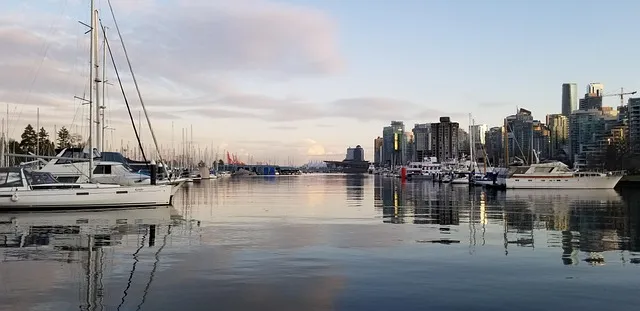
Fall (September to November)
- Weather: Often considered a secret favorite. September can feel like an extension of summer, with warm, sunny days. By October, crisp air sets in, temperatures drop (50°F to 65°F / 10°C to 18°C), and the rainy season begins to return. The fall foliage is spectacular.
- Crowds: Thins out significantly after Labor Day, making it a pleasant time to explore.
- Seattle Highlights: Enjoy harvest festivals, wine tasting in Woodinville, and stunning fall colors in the Washington Park Arboretum. The Seattle Restaurant Week offers great dining deals.
- Vancouver Highlights: Witness breathtaking autumn colors in Stanley Park and Queen Elizabeth Park. The Vancouver International Film Festival (VIFF) is a major cultural event in September/October.
- Best For: Food and wine lovers, photographers, and travelers seeking a balance of good weather and smaller crowds.
Winter (December to February)
- Weather: Cool, wet, and gray. Temperatures hover between 35°F and 45°F (2°C to 7°C). Rain is common, and while snow is rare in the city centers, nearby mountains receive heavy snowfall, creating a world-class ski scene.
- Crowds: Low (except for holiday weeks). This is the time for budget travel and indoor cultural pursuits.
- Seattle Highlights: Holiday markets, cozy coffee shops, and museum visits (MoPOP, Chihuly Garden). It's a short drive to the ski slopes of the Cascade Mountains.
- Vancouver Highlights: Spectacular holiday lights at the VanDusen Festival of Lights and Capilano Suspension Bridge's Canyon Lights. World-class skiing and snowboarding on the North Shore mountains (Cypress, Grouse, Seymour) are just 20-30 minutes from downtown.
- Best For: Skiers and snowboarders, budget travelers, and those who enjoy cozy urban exploration and holiday festivities.
Practical Tips for a Dual-City Itinerary
Visiting both Seattle and Vancouver in one trip is a fantastic idea, as they are only about a 2.5-hour drive apart (border crossing times can vary). Here’s how to optimize your visit.
- Border Crossing: Ensure you have the necessary travel documents (e.g., passport, possibly an ESTA or eTA). Check wait times online and consider crossing at off-peak hours (early morning or late evening).
- Transportation: Renting a car offers the most flexibility. The Amtrak Cascades train provides a scenic, relaxing route between the two downtown cores. Buses are also a cost-effective option.
- Currency: Remember you'll be dealing with two currencies (USD in Seattle, CAD in Vancouver). Inform your bank of your travel plans and use credit cards with no foreign transaction fees when possible.
- Seasonal Itinerary Idea (Summer): Spend 3-4 days in Seattle exploring downtown, then drive north to Vancouver for another 3-4 days, enjoying the mountains and coastline. The long summer days are perfect for this.
Frequently Asked Questions (FAQ)
What is the absolute best month to visit for good weather? July and August are the most reliably warm and dry months in both cities, offering the highest chance of sunny days for outdoor activities.
Is it realistic to visit both cities in one trip? Absolutely. With a minimum of 5-7 days, you can comfortably experience the highlights of both. They are well-connected by car, train, and bus.
Which city is better to visit in the winter? Vancouver has a slight edge for winter visitors due to its proximity to three local ski mountains (within 30 minutes of downtown). Both cities have excellent indoor cultural attractions, but Vancouver offers easier access to winter sports.
What should I pack for a summer trip? Even in summer, pack layers! Include a light jacket or sweater for cool mornings and evenings. A compact rain jacket is always a wise precaution in the Pacific Northwest.
When is the cheapest time to visit? Late fall (November, excluding Thanksgiving) and winter (January to early March, excluding holidays) typically offer the lowest airfare and hotel rates in both destinations.
Conclusion
The best time to visit Seattle and Vancouver is ultimately a personal choice. For picture-perfect weather and the full spectrum of outdoor activities, target the summer months of July and August. If you prefer vibrant colors, cultural festivals, and fewer tourists with still-pleasant weather, the shoulder seasons of late spring (May) and early fall (September to early October) are ideal. Budget-conscious travelers and winter sports enthusiasts will find great value and adventure in the winter season.
No matter when you choose to go, both Seattle and Vancouver promise a rich blend of urban sophistication and breathtaking natural beauty. By aligning your visit with the season that matches your interests, you’re guaranteed an unforgettable Pacific Northwest experience.
Related Articles
Cover image coming soon
Best Time to Visit Thailand
Discover the best time for visit thailand. Complete guide with expert tips and data-driven insights.

best time to visit walt disney world in florida

when is the best time to go to costa rica

best time to visit redwood national park
best time to visit the galapagos islands
